BUP Interview with Ana Kechan
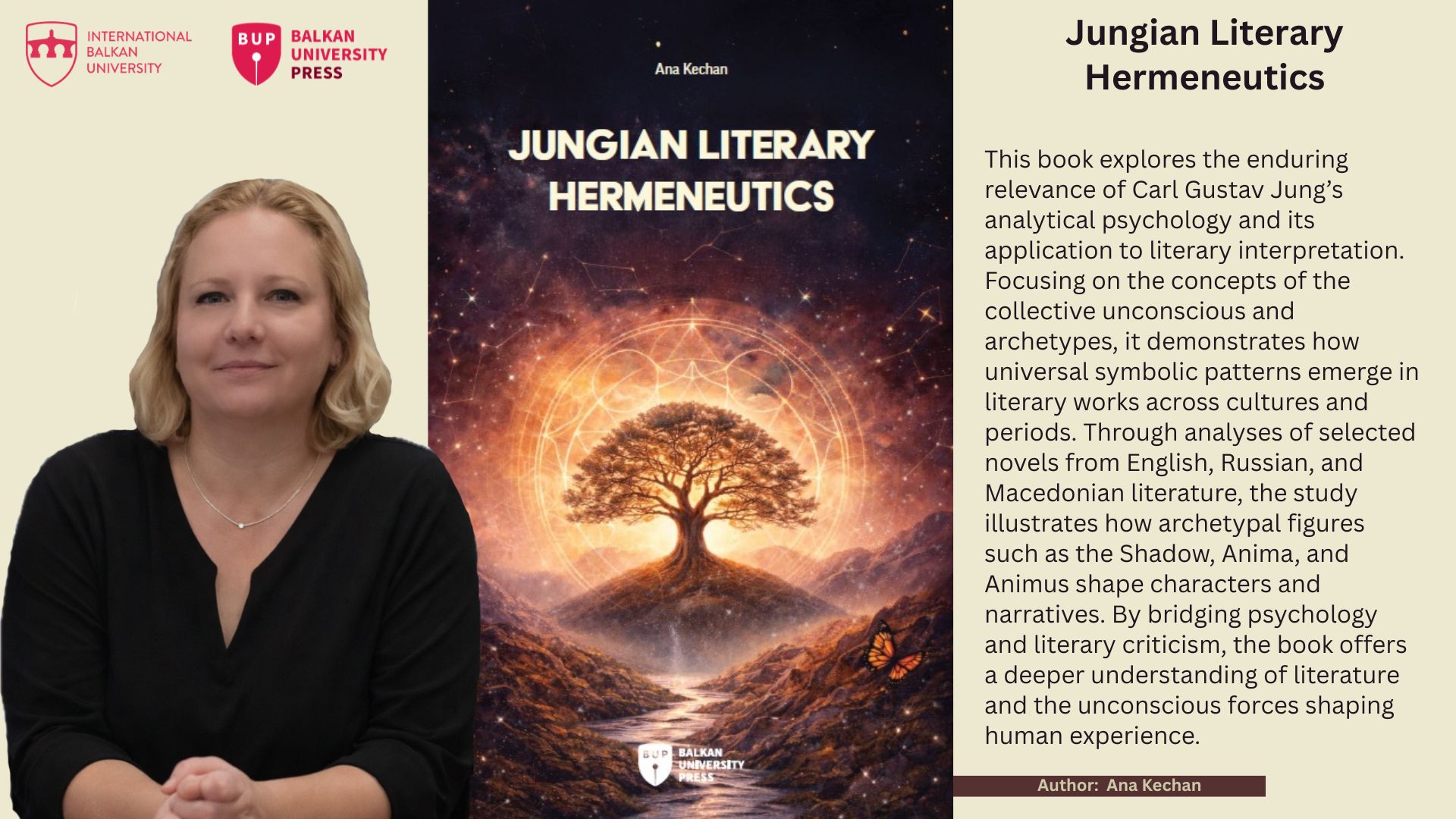
Balkan University Press is happy to share the interview with Prof. Ana Kechan, the author of our forthcoming publication "Jungian Literary Hermeneutics". This book explores the enduring relevance of Carl Gustav Jung’s analytical psychology and its application to literary interpretation. Focusing on the concepts of the collective unconscious and archetypes, it demonstrates how universal symbolic patterns emerge in literary works across cultures and periods. Through analyses of selected novels from English, Russian, and Macedonian literature, the study illustrates how archetypal figures such as the Shadow, Anima, and Animus shape characters and narratives. By bridging psychology and literary criticism, the book offers a deeper understanding of literature and the unconscious forces shaping human experience.
BUP: Your book explores literary interpretation through the ideas of Carl Gustav Jung. What inspired you to apply Jungian analytical psychology to literary hermeneutics?
AK: I became fascinated by Jungian theory about 20 years ago, primarily his dream theory at the time, and I read almost everything he had ever written. I tried to pursue an MA and PhD in Psychology as well but because I was not allowed to (according to the law in our country, only those with a BA in Psychology can pursue these) I decided to combine two of my greatest fascinations - literature and psychology. Jung himself had analyzed literary works for their archetypal content although he never established a system of interpretation. This was done by his followers, and archetypal literary criticism became an established hermeneutic model in the previous century. However, in our context, there are neither Jungian therapists nor Jungian critics, and I feel that his theories are of such importance that I decided to give my contribution to the dissemination of his ideas.
BUP: Archetypes such as the Shadow, Anima, and Animus play a central role in your study. How do these archetypes help readers better understand characters and conflicts in literary works?
AK: These archetypes belong to the category of personified archetypes and they are the ones most clearly analyzed in Jung’s works. What is interesting is that the understanding of their dynamics in literary works helps understand their dynamics in the psychological lives of people in reality as well, because the collective unconscious and the archetypes in literary works merely mirror the same in human beings. They are all part of a process Jung calls individuation which is the transformation we undergo to become whole (psychologically).
BUP: In your book, you analyze works such as Wuthering Heights by Emily Brontë and The Lord of the Rings by J. R. R. Tolkien. What new perspectives does the Jungian approach reveal in these texts?
AK: It reveals part of the mystery as to why some literary works, like the ones analyzed, remain not only popular but a fascination of generations and generations of readers – they are what Jung called visionary works of art and they reflect the universal tendencies of the human psyche, including heavy archetypal content we can all relate to, examples of transformations leading to individuation, and processes of depotentiation of archetypes.
BUP: Your research brings together psychology, philosophy, and literary criticism. What were the biggest challenges in combining these disciplines in your study?
There were no major challenges because the expressions of the collective unconscious, including archetypal images, are universal, timeless, although polysemic, yet recognizable, once we understand the pattern of their expression.
BUP: What do you hope students, researchers, and general readers will gain from reading Jungian Literary Hermeneutics?
AK: What I hope readers will gain from Jungian Literary Hermeneutics is not simply a method of interpreting literature, but a way of seeing - both texts and themselves - with greater depth and honesty. For students and researchers, I want the book to reopen a space in literary studies for psychological meaning that is neither reductive nor superficial, but attentive to the symbolic, the universal, and the unconscious structures that shape narrative across cultures and time. For general readers, my hope is more personal: that the exploration of archetypes such as the Shadow, the Anima, and the Animus will resonate beyond literature and illuminate patterns in their own lives - why we repeat certain conflicts, why we are drawn to particular stories, and what it means to move toward wholeness. Ultimately, this book is an invitation to engage literature not as something external or academic, but as a living field in which the deepest layers of human experience become visible, and through which the process of understanding—both intellectual and existential—can truly begin.
Ana Kechan was born in Tetovo, where she completed her primary and part of her secondary education. She completed her secondary education with honors in the United States, as the first scholarship holder of Rotary International from Macedonia. After graduating from the Faculty of Philology and the Department of English Language and Literature, she enrolled in an MA program in Literary Studies and successfully defended her Master’s thesis in 2005. In the meantime, she began her career, first as a lecturer and then as a senior lecturer in English at the Southeast European University. After receiving her Ph.D. in 2010, she continued her university career as an assistant professor and associate professor of English and American literature at FON University. In 2008, she completed her DELTA (Diploma in Teaching English to Speakers of Other Languages) and became a CELTA trainer for the University of Cambridge. She has also completed a four-year training in Gestalt therapy. Since 2018, she has been teaching and training at the English Language Teaching Department of International Balkan University in Skopje. Her interests are comprehensive and include the areas of hermeneutics, folklore and mythology, analytical psychology, archetypal criticism, psychotherapy, English language teaching methodology, and teacher training.
Latest News
-

Opened call for the new issue of TEFMJ
Date: 10.02.2024 -

The Journal of Law and Politics welcomes your papers
Date: 10.02.2024 -
-
.png)
Call for Papers for an Edited Volume
Date: 27.05.2024 -

Open Call for Chapter Proposals
Date: 27.05.2024 -

The new issue of Journal of Law and Politics is here!
Date: 01.05.2024 -

TEFMJ June issue is published
Date: 01.07.2024 -

IJEP's Vol. 5, Issue 1 is now available!
Date: 02.07.2024 -

Vol. 4, Issue 1 - IJTNS
Date: 01.07.2024 -

The first IJAD volume is online!
Date: 02.07.2024 -

Balkan University Press Launches the Journal of Balkan Architecture
Date: 15.07.2024 -

-

Balkan Political Economy Series welcomes your proposals
Date: 18.07.2024 -

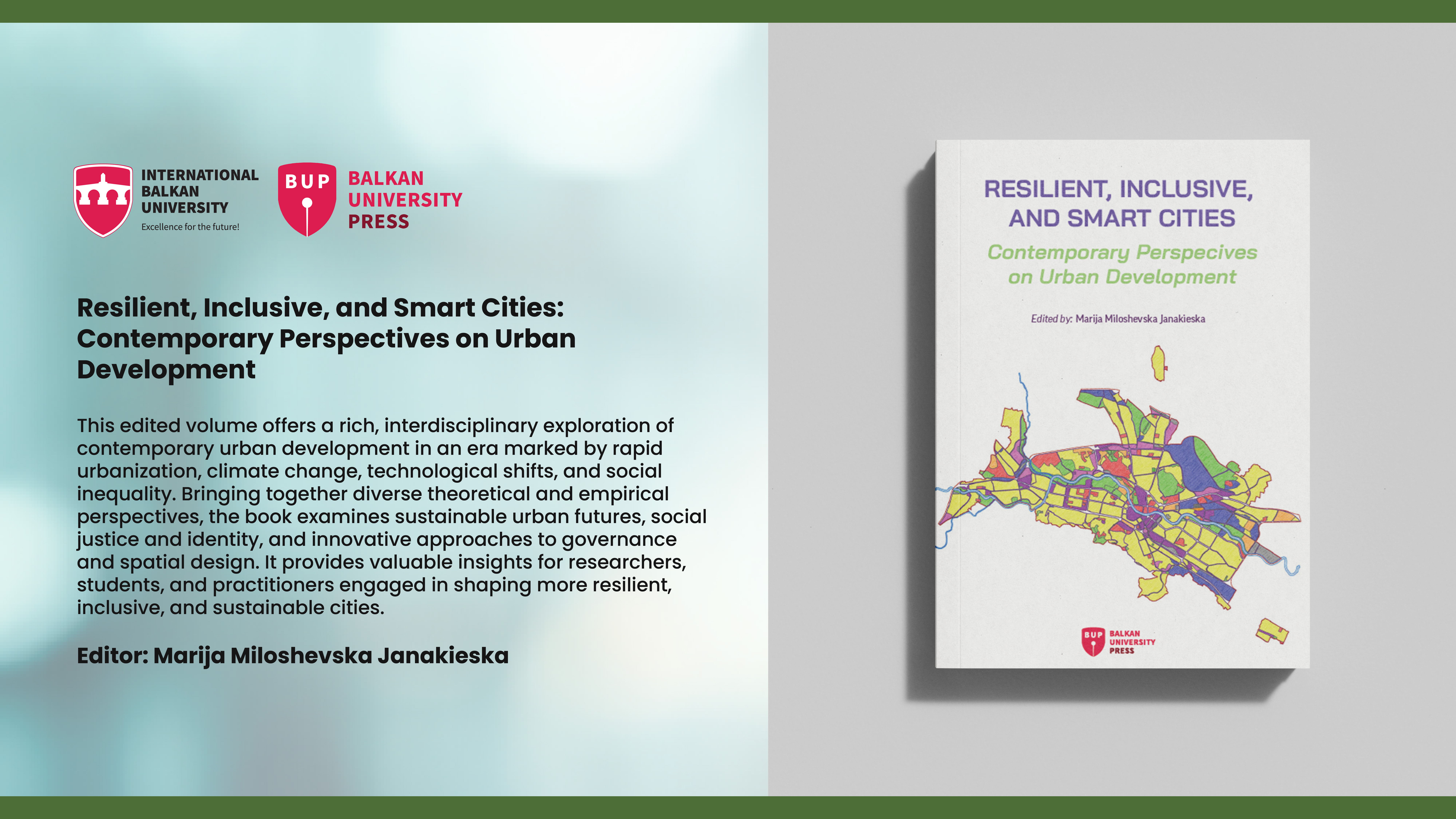
BUP Interview with Prof. Marija Miloshevska Janakieska
Date: 18.07.2024 -
BUP Interview with Asst. Prof. Dr. Ahmet Lökçe
Date: 24.07.2024 -
-
Prof. Xhaferi's blog for BUP
Date: 28.08.2024 -
-
-

IJEP is now indexed in the Copernicus Journals Master List
Date: 23.09.2024 -
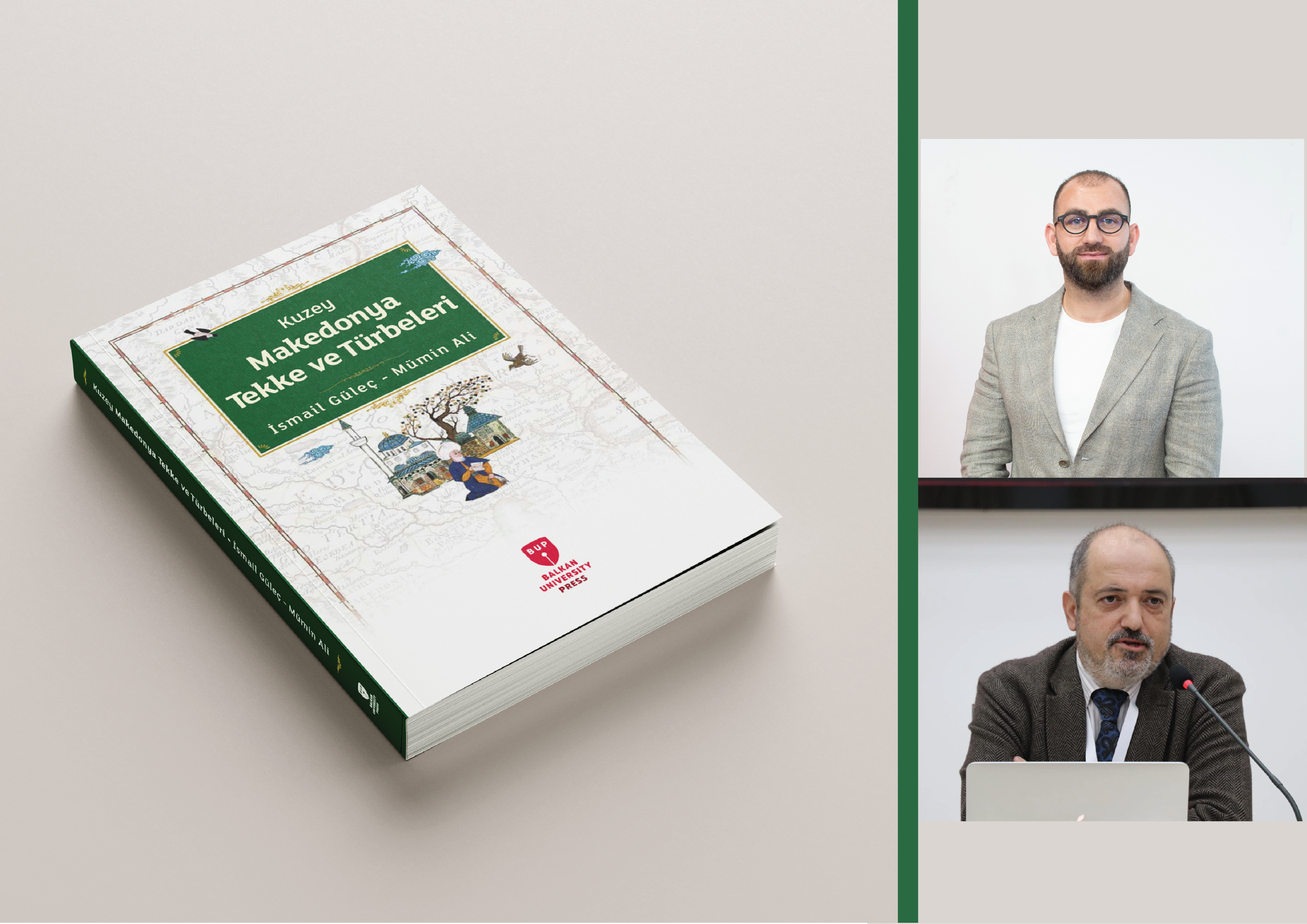
BUP INTERVIEW WITH PROF. ISMAIL GÜLEÇ AND ASST. PROF. MÜMIN ALI
Date: 26.09.2024 -
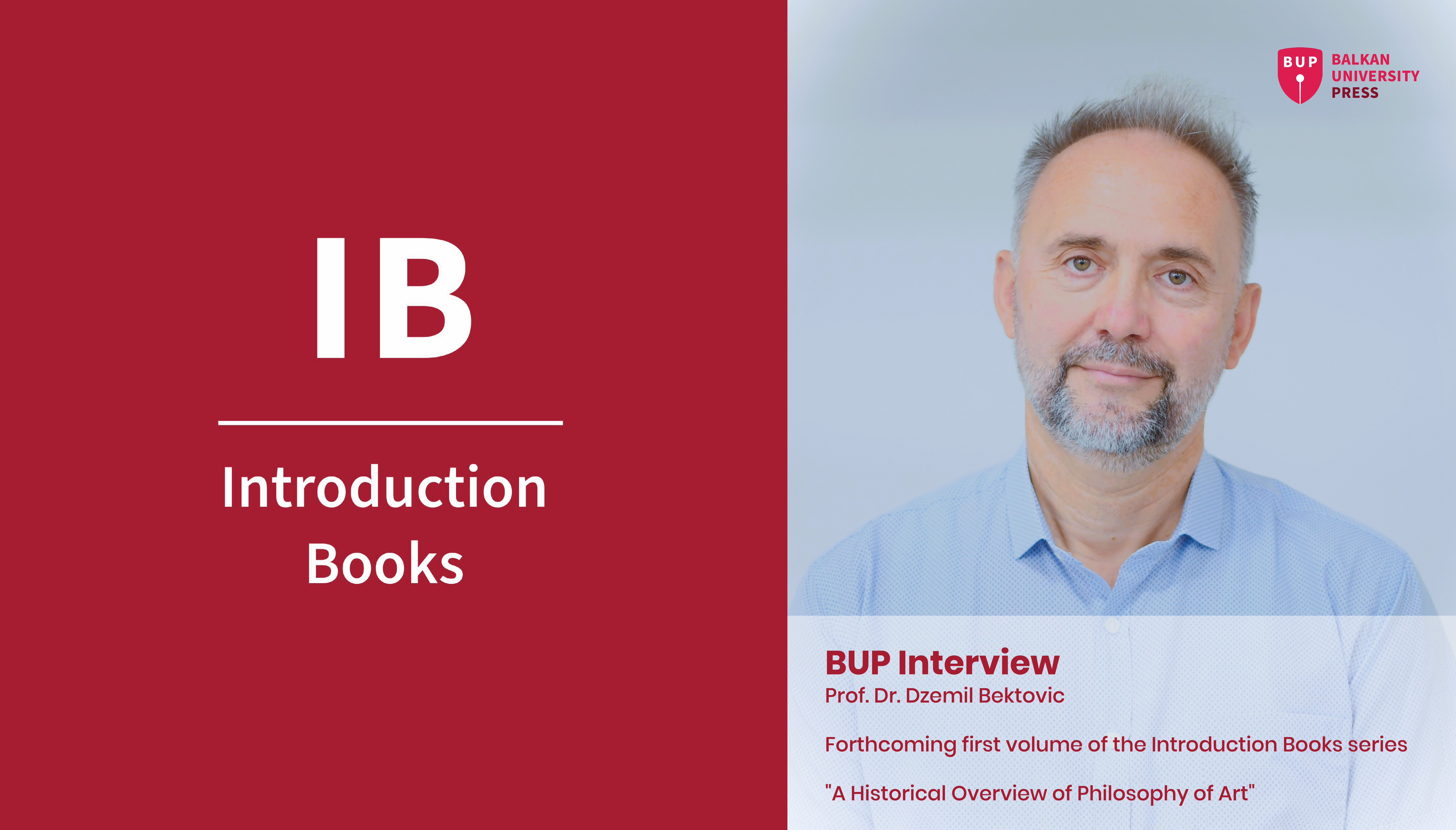
BUP Interview with Prof. Dzemil Bektovic
Date: 04.10.2024 -
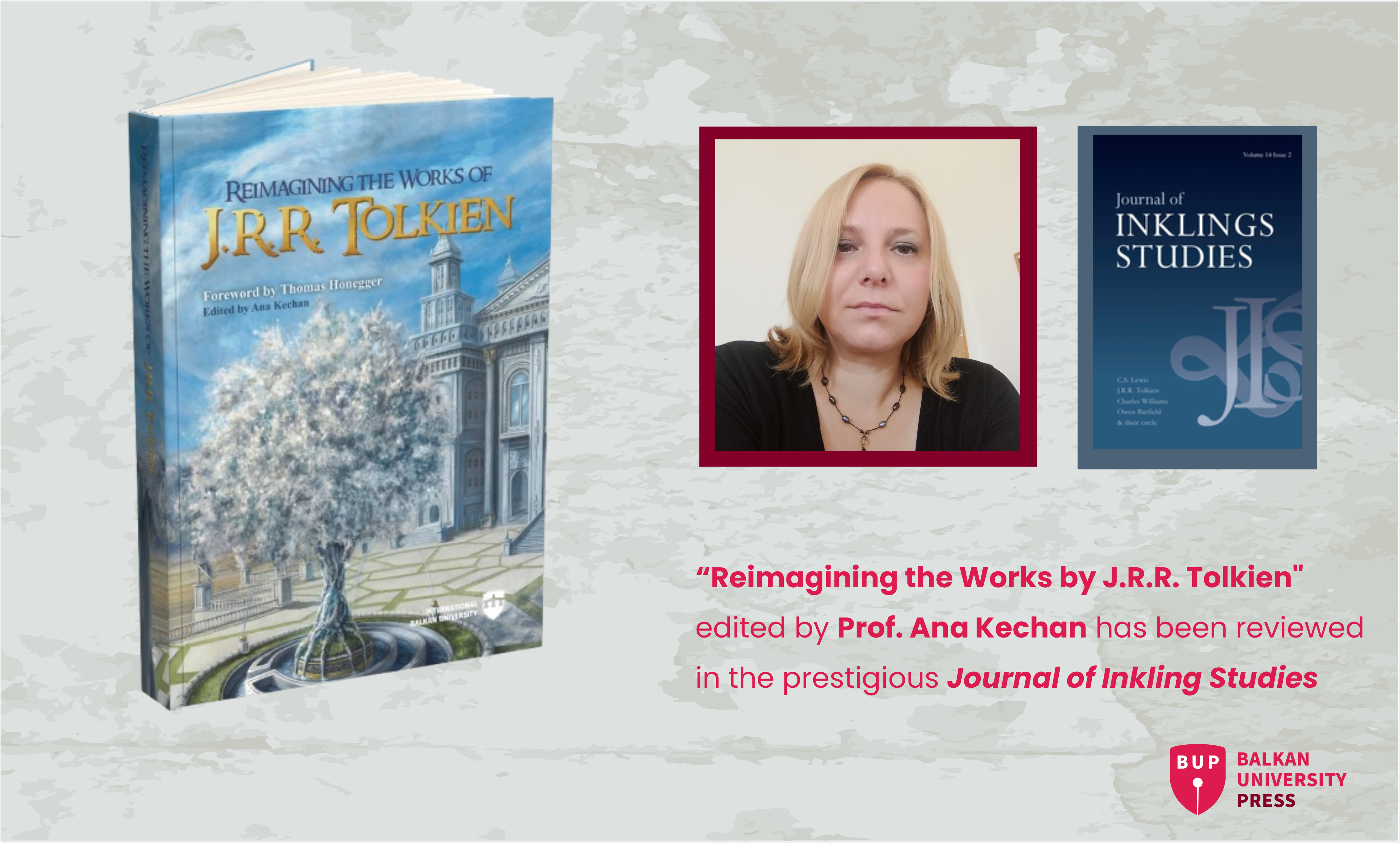
-

BUP Interview with Prof. Shener Bilalli
Date: 30.10.2024 -

BUP Academic Blog with Prof. Tamás Szemlér
Date: 08.11.2024 -
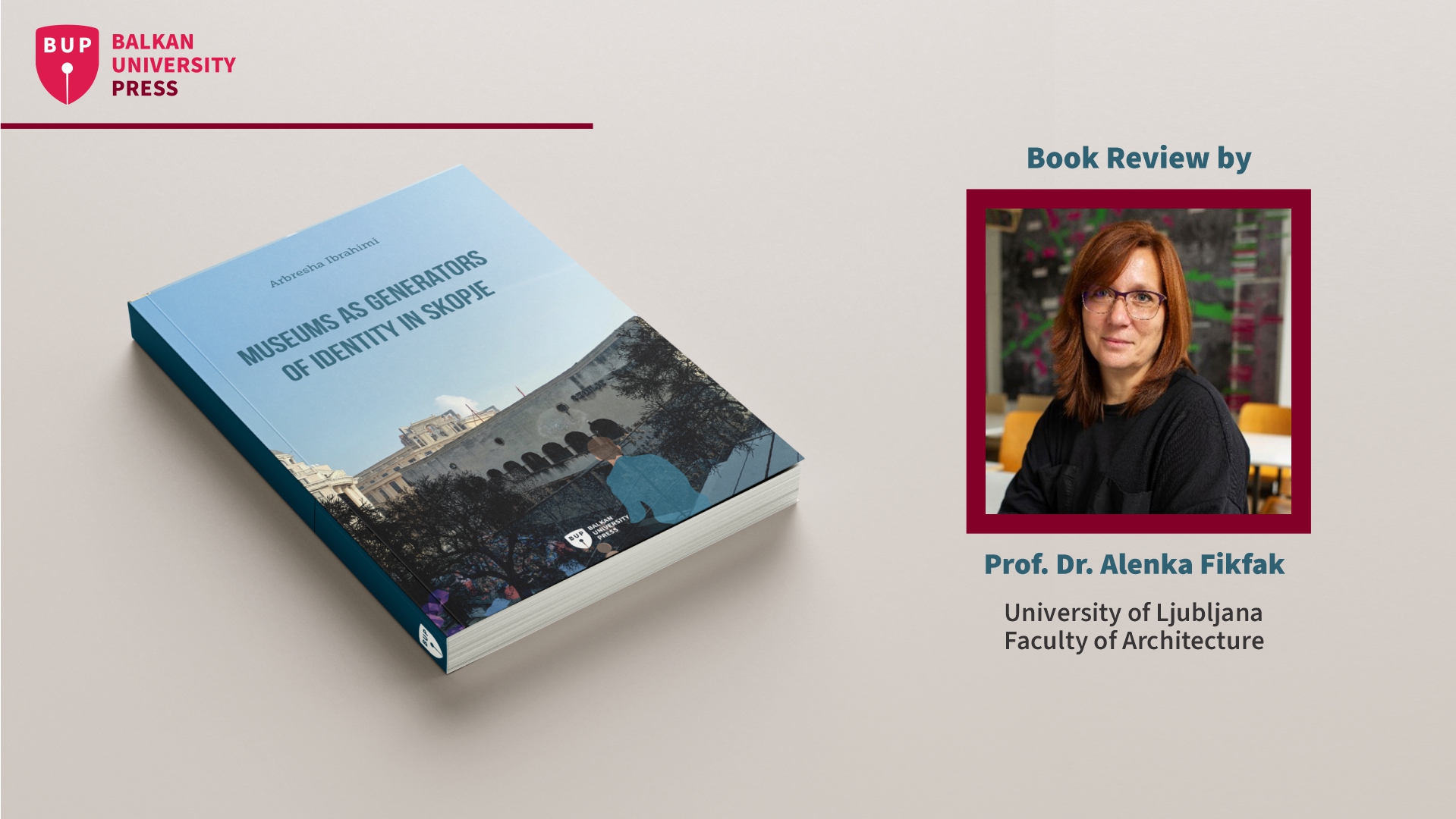
Book Review for "Museums as Generators of Identity in Skopje"
Date: 20.11.2024 -

BUP Interview with Arbresha Ibrahimi
Date: 25.11.2024 -

The first volume of Balkan Research Journal is here
Date: 02.12.2024 -
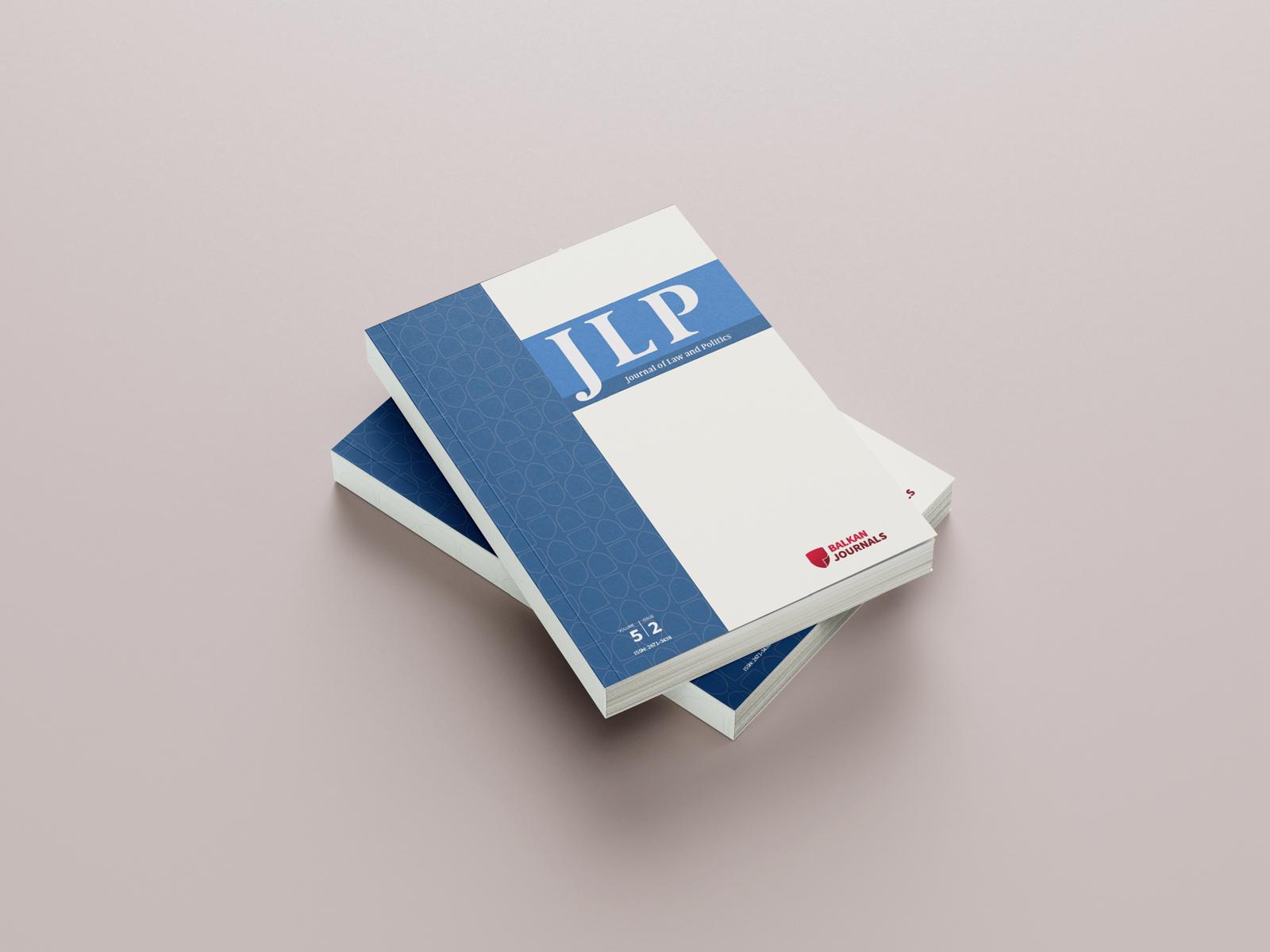
Volume 5, Issue 2 of the Journal of Law and Politics is published
Date: 31.10.2024 -

The inaugural issue of Journal of Balkan Architecture is published
Date: 29.11.2024 -
BUP Launch Event
Date: 10.12.2024 -
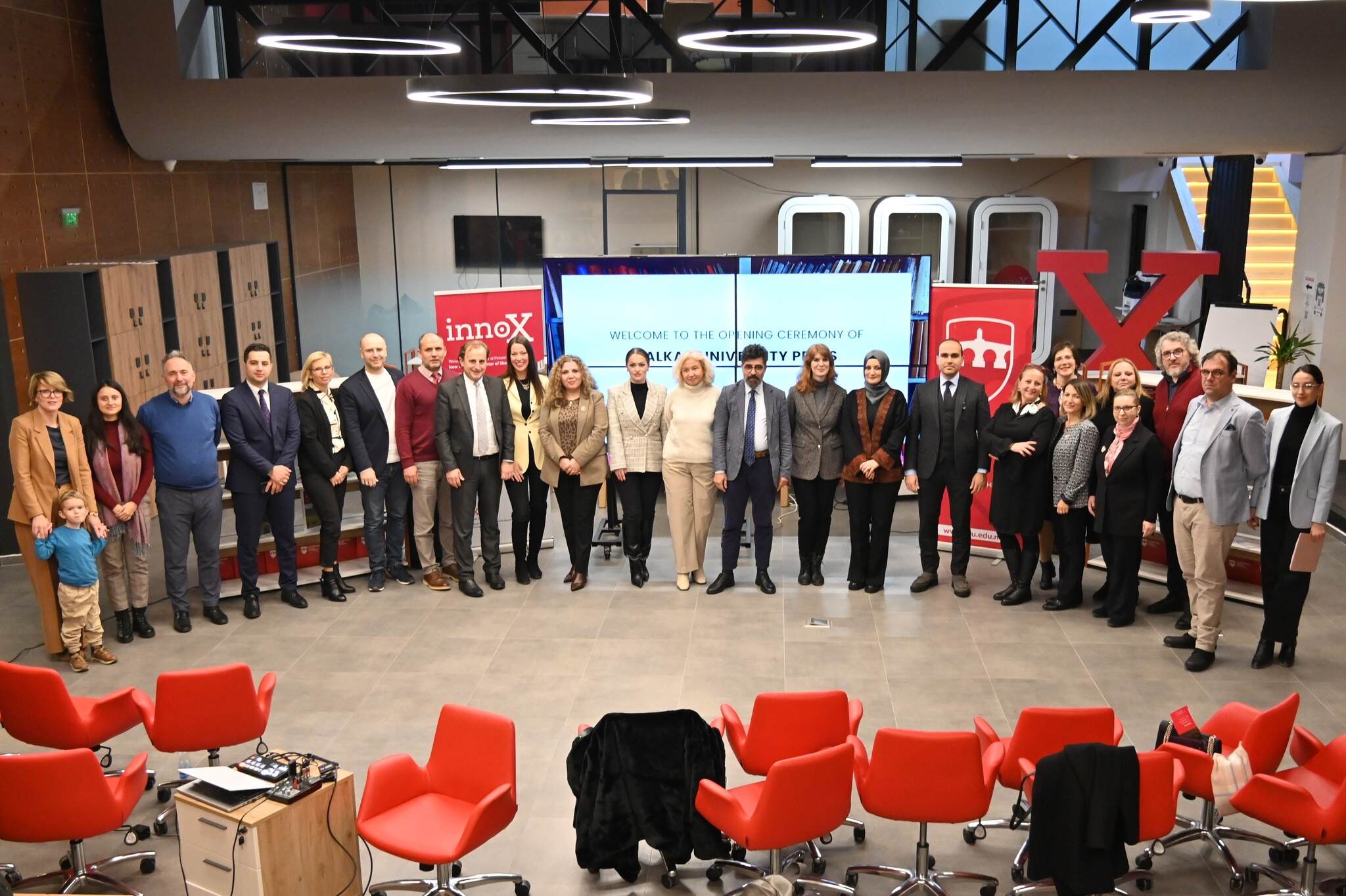
Grand Launch of Balkan University Press
Date: 12.12.2024 -

BALKAN UNIVERSITY PRESS
Date: 09.01.2025 -
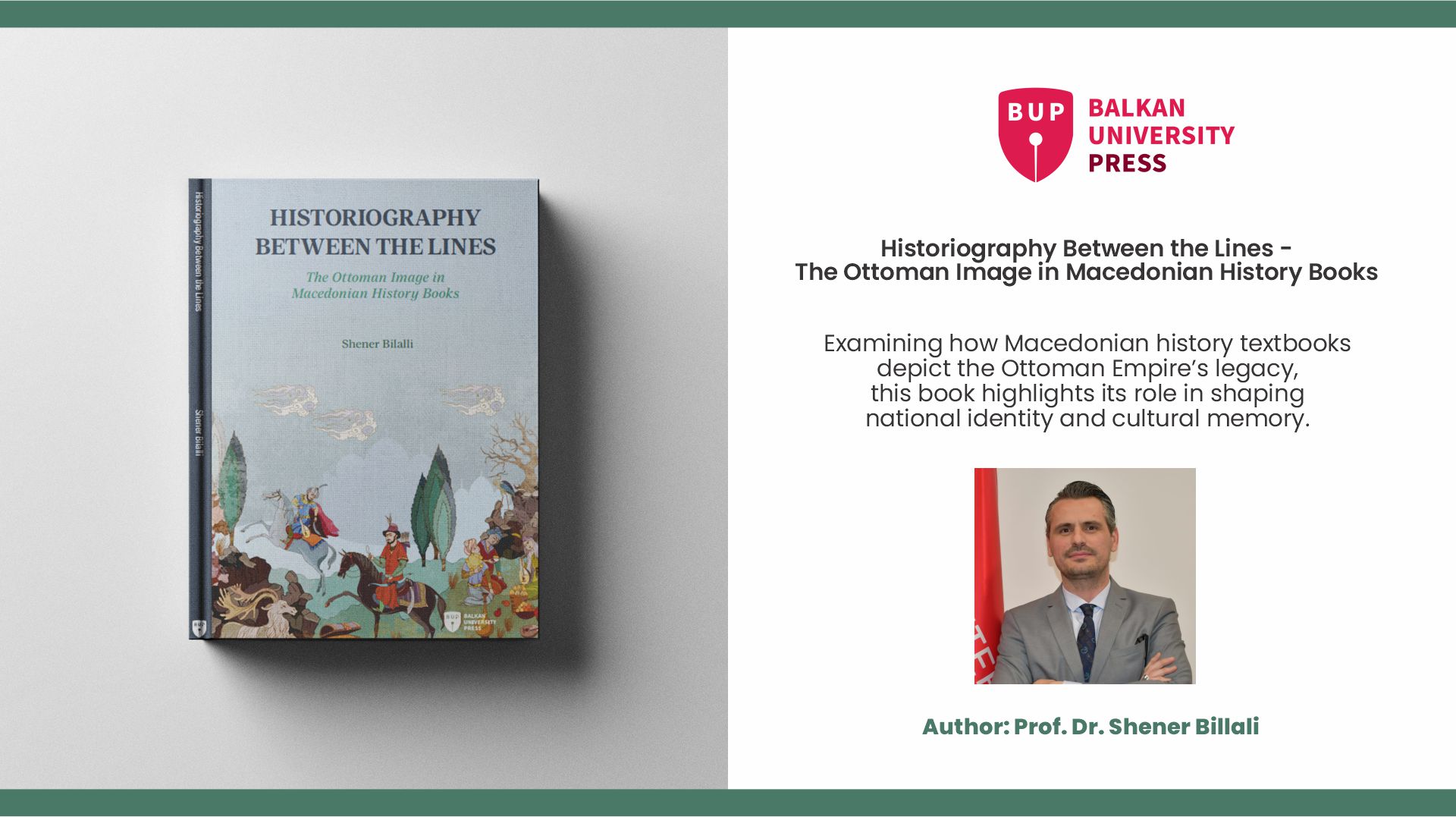
Publication of a book
Date: 30.12.2024 -

Publication of a book
Date: 24.12.2024 -
The December Issue of IJEP is published
Date: 31.12.2024 -

The December Issue of TEFMJ is published
Date: 16.01.2025 -
-

BUP Interview with Asst. Prof. Kristina Velichkovska
Date: 29.01.2025 -
-
-
BUP Interview with Kefajet Edip
Date: 18.02.2025 -
BUP Academic Blog by Frank Weinreich
Date: 20.02.2025 -
-

-

BUP Interview with Prof. Dr. Ana Kechan
Date: 30.04.2025 -
BUP Interview with Ozlem Kurt
Date: 14.05.2025 -

BUP Interview With Assoc. Prof. Igballe Miftari-Fetishi
Date: 03.09.2025 -
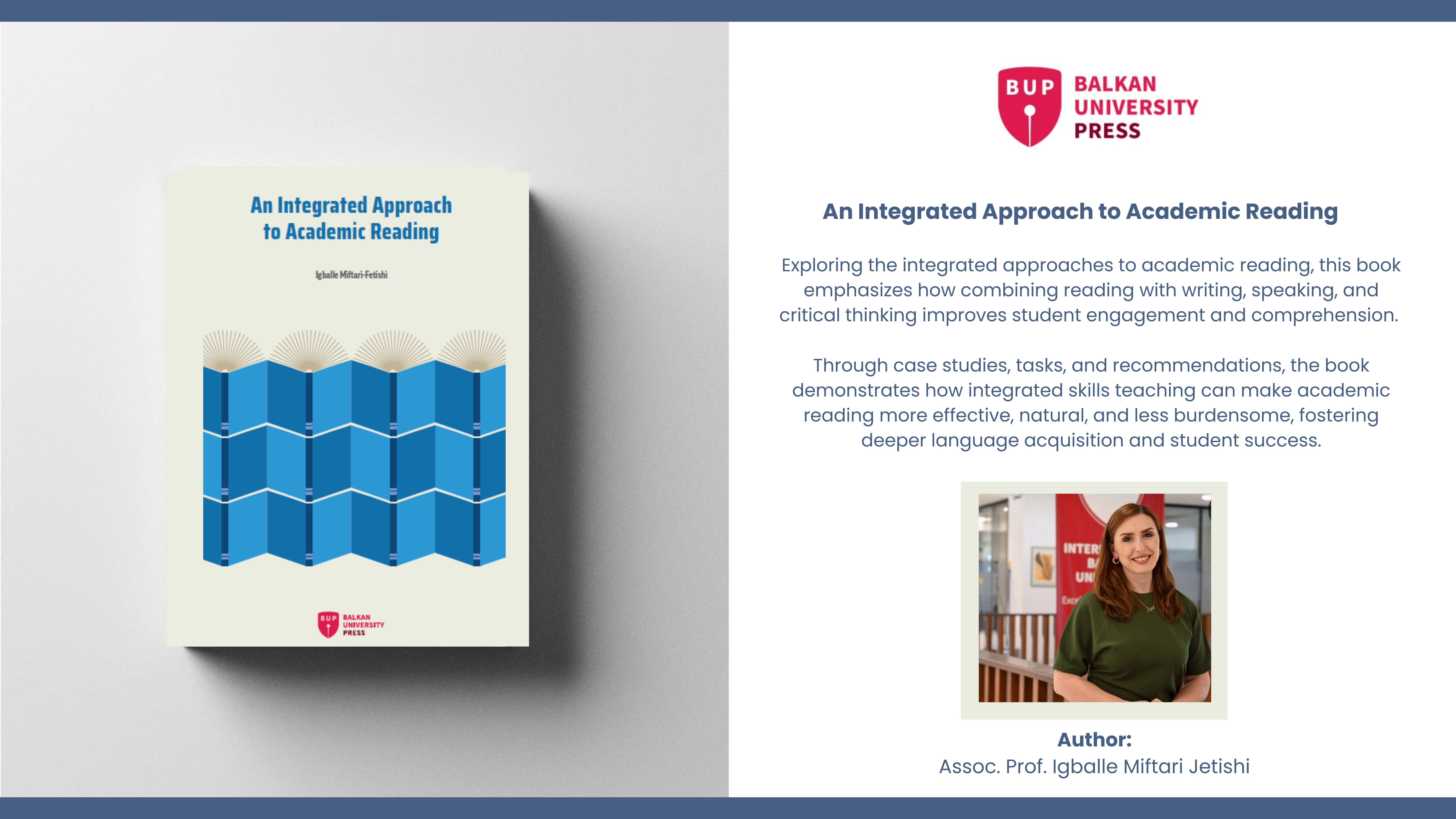
Publication of the book "An Integrated Approach to Academic Reading"
Date: 09.09.2025 -

BUP Interview with Nikola Dacev
Date: 15.09.2025 -

Publication of the book "Civil Law"
Date: 17.09.2025 -

BUP Interview with Ekaterina Namicheva Todorovska
Date: 22.09.2025 -
.png)
-
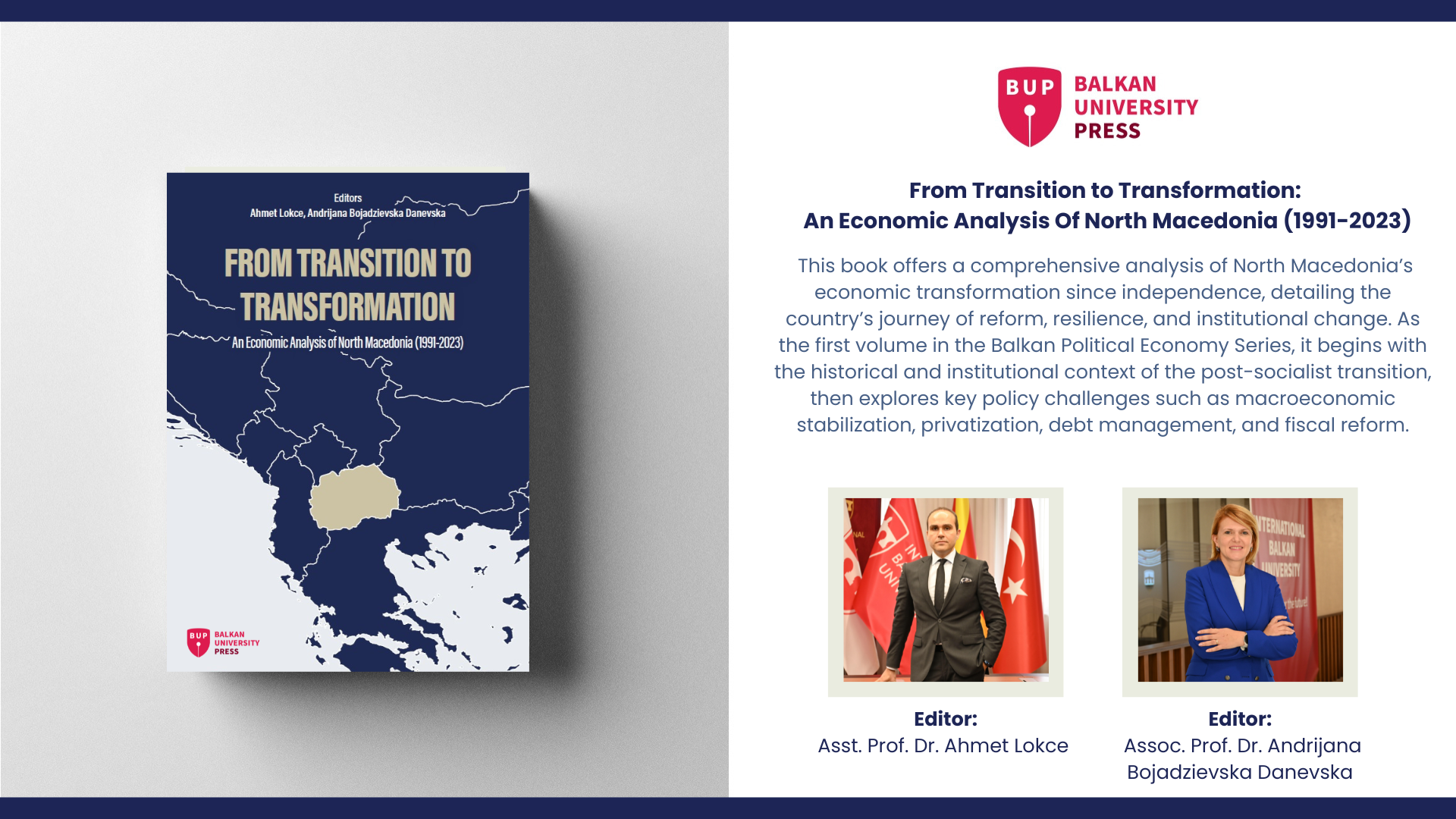
The first book of the Balkan Political Economy Series is published
Date: 07.10.2025 -
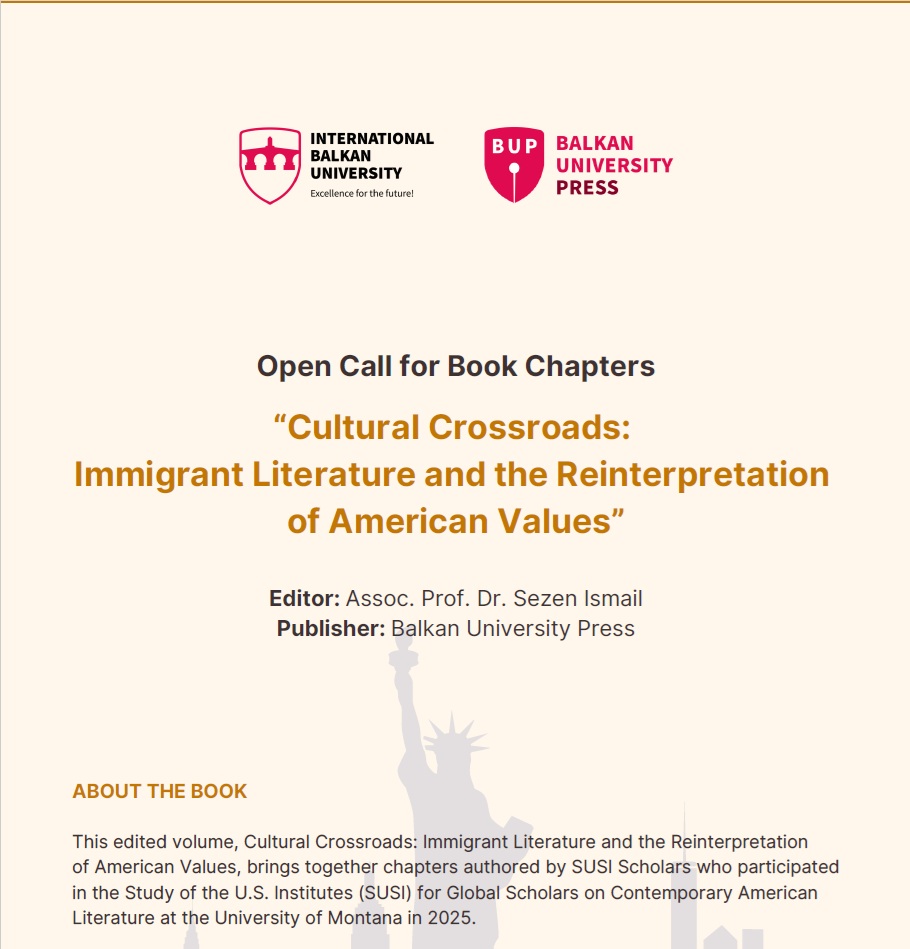
OPEN CALL for Book Chapters
Date: 08.10.2025 -
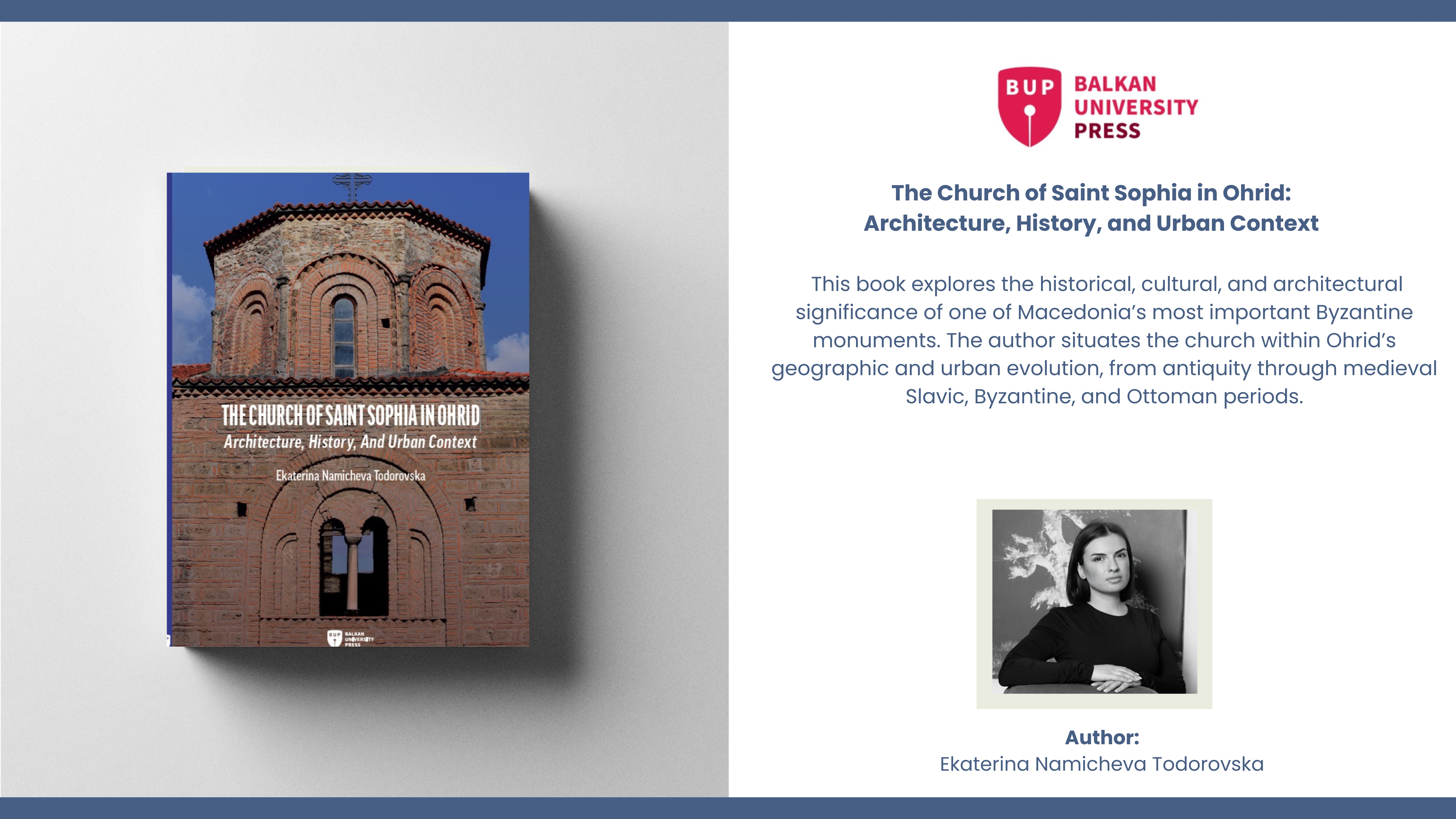
-
.png)
-

BUP Interview with Sumea Ramadani
Date: 24.10.2025 -
.png)
Publication of the book "Two Worlds of Healing" by Sumea Ramadani
Date: 05.11.2025 -
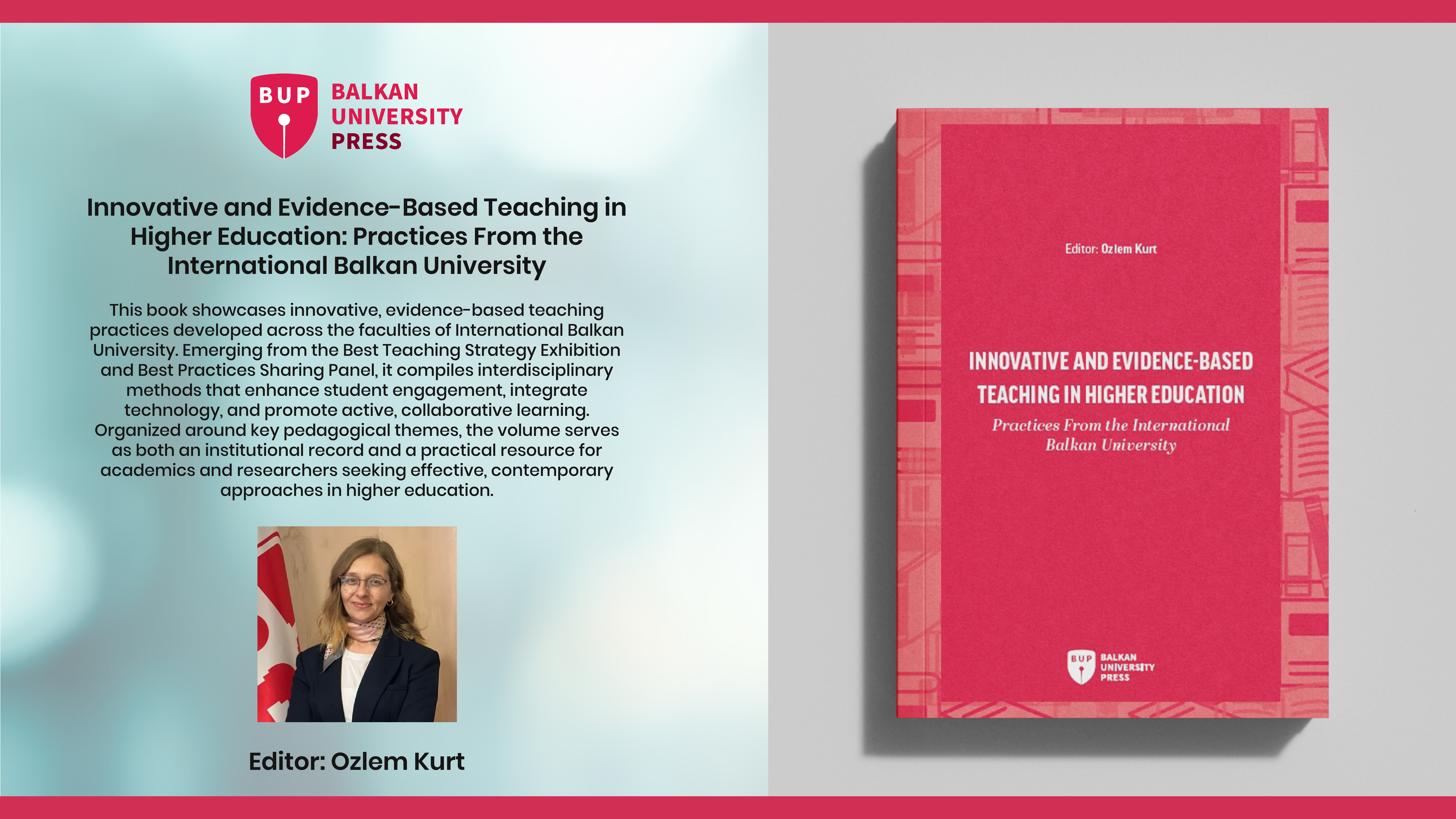
New BUP Publication
Date: 23.12.2025 -
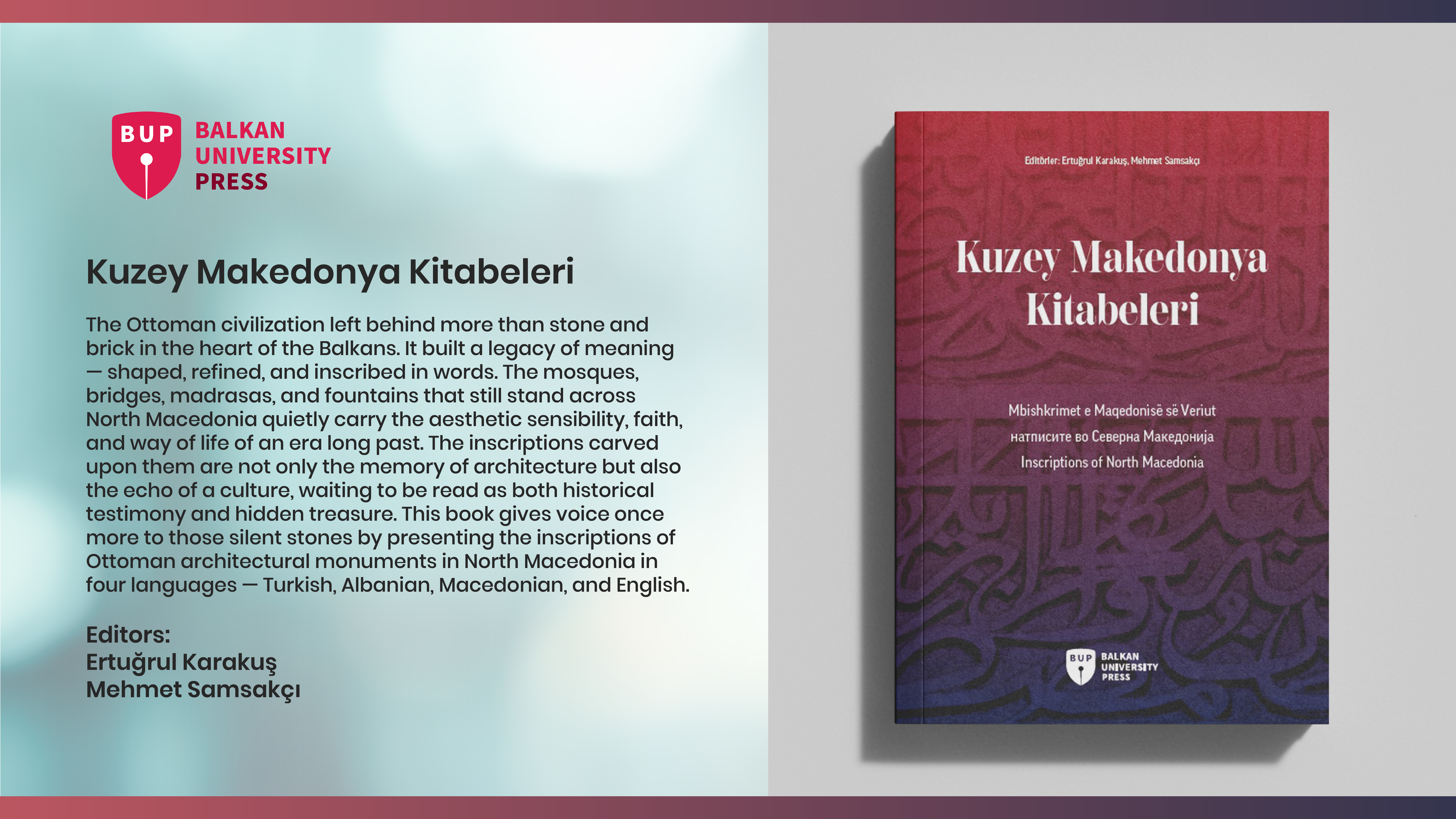
Publication of the book "Kuzey Makedonya Kitabeleri"
Date: 26.12.2025 -

-
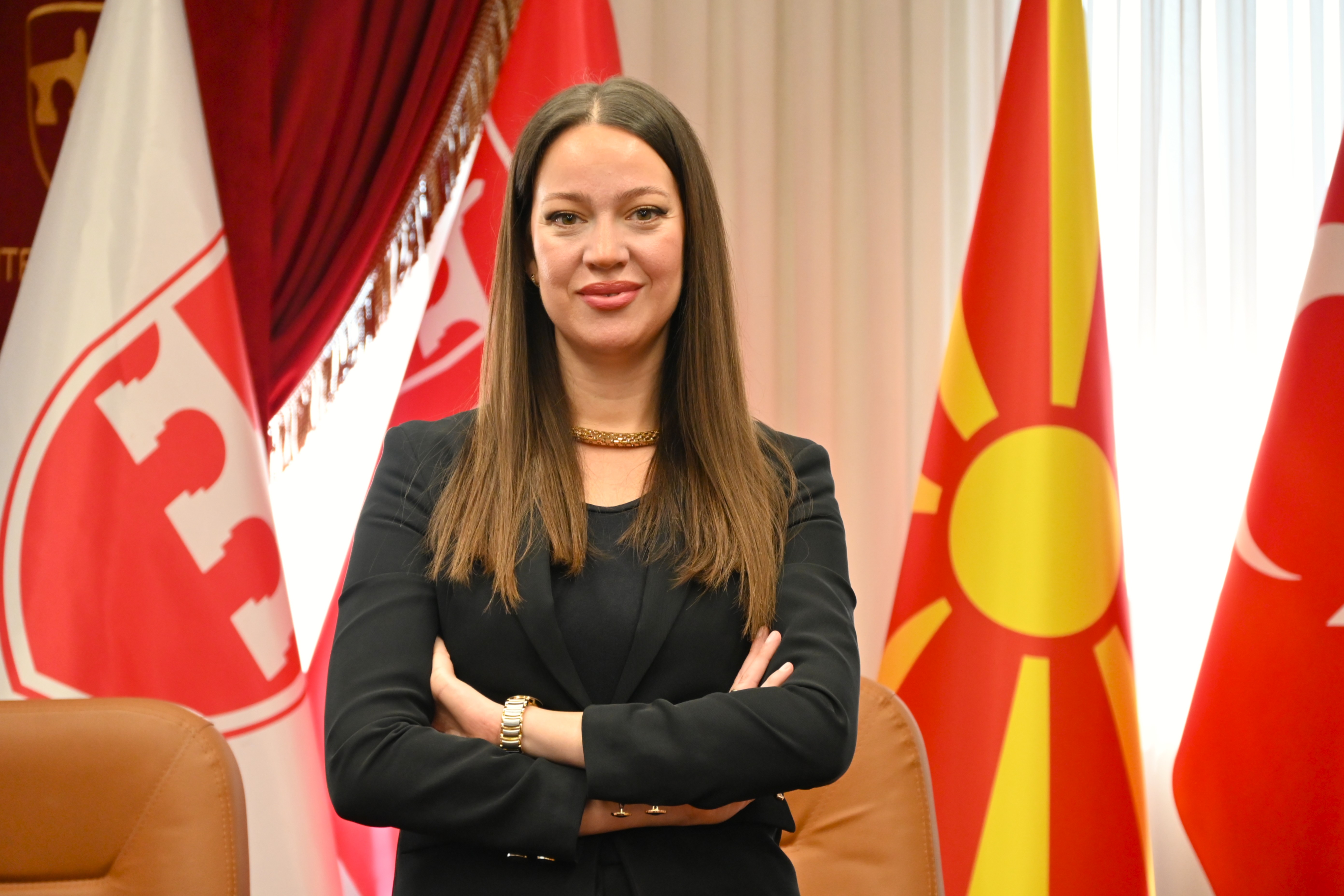
BUP Interview with Prof. Marija Miloshevska Janakieska
Date: 17.03.2026 -
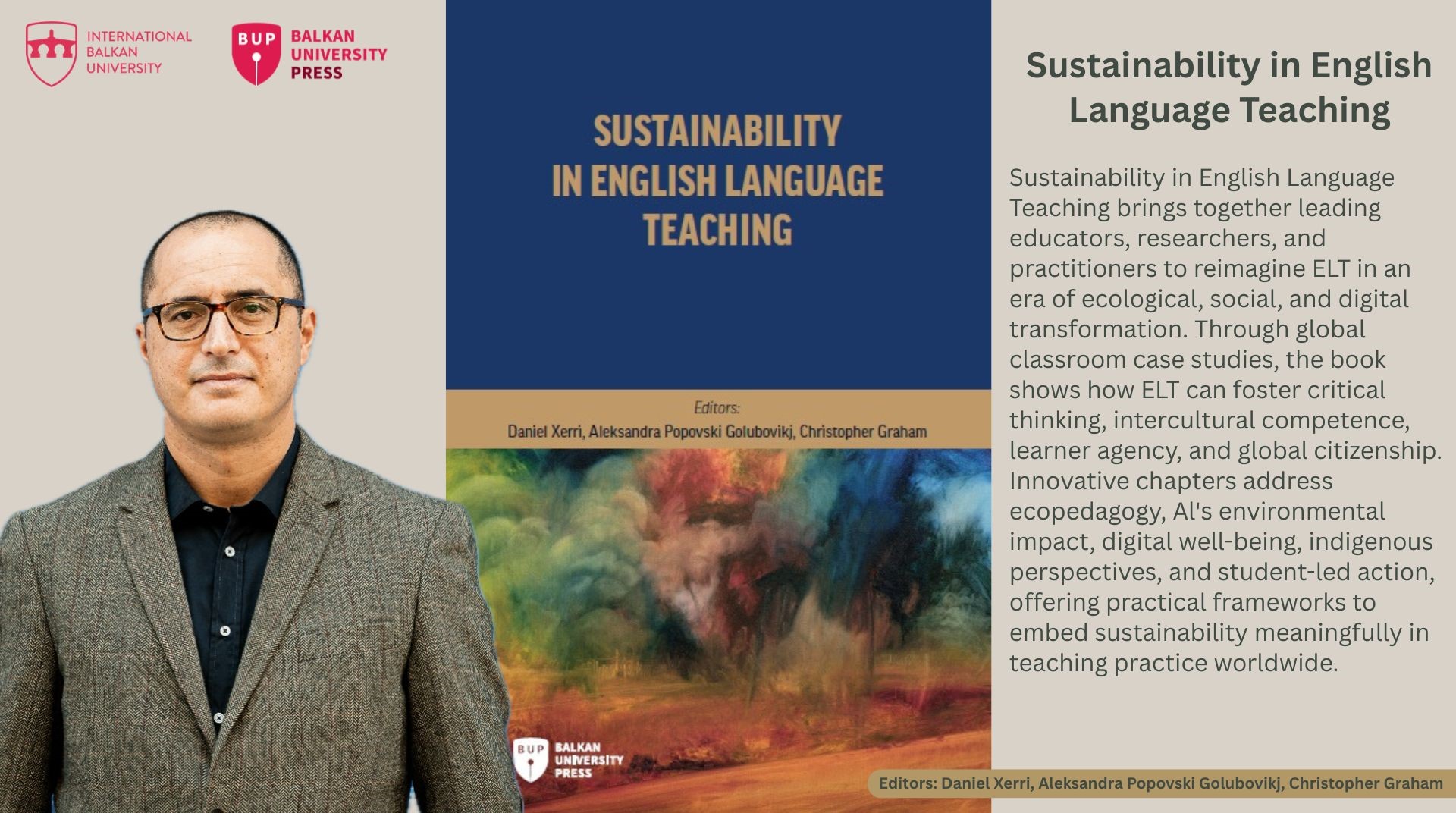
BUP Interview wIth Prof. Daniel Xerri
Date: 19.03.2026 -
.jpg)
BUP Interview with Marija Spaseska
Date: 27.03.2026 -
-

Publication of the book "Jungian Literary Hermeneutics"
Date: 06.04.2026 -
.jpg)
Publication of the book "Ethics: Action, Power, and Moral Autonomy"
Date: 23.07.2026 -
.jpg)
-

-
-