BUP Interview with Marija Spaseska
.jpg)
Balkan University Press is delighted to share the interview with Marija Spaseska, the author of our forthcoming publication Fashion in Historical Perspective. This book traces the evolution of clothing and costume from prehistoric times to the modern era, showing how fashion reflects social, cultural, and political change. Organized chronologically, the book examines how religion, class, climate, technology, and artistic ideas shaped dress across different historical periods. Drawing on diverse historical sources and richly illustrated examples, it presents fashion as both functional design and artistic expression, revealing how clothing reflects identity, power, creativity, and human innovation across centuries.
BUP: Could you tell us about your academic background and what motivated you to write this book?
MS: My academic background is rooted in art, design, and fashion education, where I have been actively engaged both as an educator and researcher. I began my academic career at the European University Skopje, where I worked as a demonstrator/ assistant, contributing to multiple courses within the Faculty of Art and Design. This experience allowed me to develop strong pedagogical skills and deepen my engagement with students in creative disciplines. Subsequently, I expanded my academic involvement through collaboration with IBU University, where I served as a part-time professor at the Faculty of Art and Design. During this period, I taught a range of specialized courses, including Fashion Illustration I and II, Fashion Business and Retail, and Draping. These subjects enabled me to approach fashion not only as a visual and creative practice but also as an interdisciplinary field that connects design, history, culture, and industry.
The motivation to write this book for the history of fashion emerged from both my affinity for fashion and my academic research focus. While working with students, I recognized a need for a more comprehensive, structured, and accessible resource that contextualizes fashion within broader historical, cultural, and social frameworks. This inspired me to contribute to the field by developing a work that bridges theory and practice, offering insights into how fashion evolves as a reflection of societal change, identity, and artistic expression. Students often focus on design skills, but understanding historical context enhances creativity and critical thinking. I wanted to highlight how fashion reflects cultural identity, especially within different historical periods and societies.
BUP: In your book, fashion is presented as a historical language that reflects social transformation. How do specific historical periods demonstrate the relationship between clothing and shifting power structures?
MS: In the book, I approach fashion as a form of visual language through social hierarchies, and cultural transformations. Different historical periods clearly demonstrate how clothing not only reflects but also reinforces or challenges shifting power structures.
For example, in early modern Europe, particularly during the reign of Louis XIV, fashion functioned as a mechanism of political control. The elaborate dress codes of the French court, centered at Versailles, required nobility to adhere to highly codified styles of dress. In this context, clothing became a tool through which the monarchy asserted dominance, as participation in court fashion symbolized loyalty and dependence on royal authority. Similarly, during the French Revolution, fashion underwent a radical transformation that mirrored political upheaval. The rejection of aristocratic excess led to simpler styles, such as the adoption of simple aesthetic, which symbolized alignment with republican ideals and resistance to elite privilege. Here, clothing has become an explicit expression of political identity and ideological positioning. In the 19th century, with the rise of industrialization and the bourgeoisie, fashion reflected new class dynamics. The emergence of haute couture and the standardization of dress codes signaled both economic power and social aspiration. Clothing functioned as a marker of class mobility, while also reinforcing distinctions between social groups. Moving into the 20th century, particularly during and after World War I, shifts in women’s fashion illustrate changes in gender power structures. The abandonment of corsets and the adoption of more practical silhouettes corresponded with women’s increased participation in the workforce and public life. Designers such as Coco Chanel played a key role in redefining femininity through more functional and liberating forms of dress.
Overall, these examples demonstrate that fashion operates as a dynamic system of signs through which power is negotiated, displayed, and contested. It not only reflects historical change but actively participates in shaping social and political realities. In essence, clothing operates as a mirror of social transformation, it codifies existing hierarchies while simultaneously providing a medium through which individuals and groups can contest, negotiate or embody shifting power structures. Across periods, the evolution of fashion thus offers a lens to interpret the roader socio-political and cultural transformation of a society.
BUP: The book highlights the interaction between tradition and innovation in fashion development. How do historical fashion cycles influence contemporary design and aesthetic values?
MS: In the book, I emphasize that fashion operates through a continuous dialogue between tradition and innovation, where historical cycles play a fundamental role in shaping contemporary design and aesthetic values. Fashion is inherently cyclical, styles are not simply replaced but are constantly reinterpreted, revived, and recontextualized according to the cultural and social needs of the present.
Historical fashion cycles influence contemporary design in several keyways. First, they provide a visual and conceptual archive from which designers draw inspiration. Elements such as silhouettes, textiles, and decorative motifs from past periods are frequently revisited and adapted. For instance, the revival of corset, tailoring, or vintage-inspired cuts in contemporary fashion reflects a reinterpretation rather than a direct imitation of historical forms. Second, these cycles contribute to the construction of aesthetic values. What is perceived as elegant, modern, or avant-garde is often defined in relation to the past either through continuity or deliberate contrast. Designers may reference specific eras to evoke nostalgia, authenticity, or cultural memory, while simultaneously introducing innovation through new materials, technologies, or conceptual approaches.
Additionally, historical cycles influence how fashion responds to contemporary issues. For example, the renewed interest in craftsmanship can be seen as a reaction against mass production, echoing pre-industrial values but framed within modern concerns about sustainability and ethical production.
Finally, the reinterpretation of historical styles also allows for critical engagement with tradition. Contemporary designers often revisit past aesthetics to challenge established norms related to gender, class, or identity, thereby transforming historical references into tools for innovation and social commentary. In this way, historical fashion cycles are not merely repetitive patterns, but dynamic processes that enable fashion to evolve while maintaining a continuous connection to its cultural and historical foundations.
BUP: Your research connects fashion history with broader cultural and political processes. Which historical moment discussed in the book do you consider most transformative for the evolution of fashion?
MS: In my research, several historical moments stand out as highly transformative for the evolution of fashion; however, one of the most significant is the period surrounding the French Revolution at the end of the 18th century. I consider this moment particularly crucial because it represents a profound shift in the relationship between fashion, politics, and social identity. Before the Revolution, fashion was largely dictated by aristocratic norms, where clothing functioned as a clear marker of hierarchy, privilege, and courtly culture. The opulence and rigidity of dress codes reinforced the power of the monarchy and the social stratification of the time. However, with the onset of the Revolution, these established systems were fundamentally disrupted. What makes this period transformative is the way fashion became explicitly politicized. Dress shifted from being a symbol of inherited status to an expression of ideological alignment. Simpler forms of clothing, such as those associated with the working classes, were adopted as markers of revolutionary values, while aristocratic styles were rejected as symbols of oppression and excess. In this sense, fashion became a visible language of resistance and social change.
Moreover, this moment laid the foundation for the democratization of fashion. It contributed to the gradual decline of rigid dress codes and opened the way for greater individual expression in clothing. This transition also influenced the development of modern fashion systems in the 19th and 20th centuries, where identity, rather than strict hierarchy, became a central element in dress practices.
While other periods such as industrialization or the impact of wars in the 20th century were also highly influential, the French Revolution marks a turning point where fashion shifted from a system of imposed order to a more dynamic and socially responsive form of expression, but also the impact of the wars in 20th century additionally make a huge transformation and evolution of the fashion. The post-war period saw a transformation, primarily in freedom of clothing and the emergence of new styles.
The transformation of clothing in the 21st century is driven by the emergence of new technologies, as well as advancements in the Internet and computer engineering. As fashion gains new way of production, new technologically sophisticated materials appear, and fashion becomes more environmentally and technologically acceptable both for society and for its impact on the environment. This means that the awareness of dressing is no longer developing only under socio-political influence but now follows the technology and science of the modern world along with the problems of the ecological point of view.
These periods reflect significant cultural, social, and technological changes shaping the evolution of fashion.
BUP: By situating fashion within a historical framework, you emphasize its role beyond aesthetics. How can historical awareness of fashion contribute to more critical and sustainable approaches to clothing today?
MS: By situating fashion within a historical framework, the book emphasizes that clothing is not merely an aesthetic practice, but a cultural, social, and economic phenomenon shaped by specific historical conditions. This awareness is essential in fostering more critical and sustainable approaches to fashion today. Historical knowledge allows us to understand that the current model of fast consumption is not inevitable, but rather a relatively recent development linked to industrialization and technologies. By examining earlier periods when clothing was produced with greater emphasis on craftsmanship, durability, and repair we can reconsider alternative models of production and consumption that are more sustainable.
Historical awareness encourages critical thinking about value. In many historical contexts, garments carried not only material but also symbolic and emotional significance. This contrasts with today’s often disposable approach to clothing. By re-engaging with these historical perspectives, consumers and designers alike can develop a deeper appreciation for quality, longevity, and responsible use of resources. Understanding fashion history reveals how systems of labor, power, and inequality have always been embedded in clothing production. This insight is crucial for addressing contemporary ethical concerns, such as labor conditions and global supply chains. It allows us to approach fashion not only as a creative industry but also as a field that requires accountability and social responsibility.
Historical references can inspire sustainable innovation. The revival of traditional techniques, local craftsmanship, and slower production cycles demonstrates how the past can inform more responsible futures, without limiting creativity. Historical awareness equips both designers and consumers with the tools to question dominant practices, to recognize the broader impact of their choices, and to envision fashion as a more thoughtful, ethical, and sustainable system.
Marija Spaseska is a fashion designer, visual artist, and researcher whose work explores interdisciplinary perspectives on visual culture and contemporary creativity within art, fashion design, and interior design. Her professional career includes the development of numerous fashion collections, some of which have been presented at fashion shows in Vienna, Austria, and in North Macedonia.
In addition to her creative practice, Spaseska has been engaged in higher education as a part-time professor at the International Balkan University (IBU) in Skopje, where she contributed to teaching and mentoring students in the fields of fashion design, fashion illustration and fashion business and marketing. She is also the author of several scientific papers focusing on sustainable and ecological fashion, emerging technologies, and artificial intelligence in fashion, as well as business and marketing within the fashion industry.
Alongside her academic and design work, Marija Spaseska is a visual artist who creates paintings on canvas, exploring form, color, and artistic expression through a multidisciplinary approach. Through her combined work in design, research, and visual art, she contributes to the ongoing development of contemporary discourse in creativity.
Latest News
-

Opened call for the new issue of TEFMJ
Date: 10.02.2024 -
The Journal of Law and Politics welcomes your papers
Date: 10.02.2024 -
-
.png)
Call for Papers for an Edited Volume
Date: 27.05.2024 -

Open Call for Chapter Proposals
Date: 27.05.2024 -

The new issue of Journal of Law and Politics is here!
Date: 01.05.2024 -

TEFMJ June issue is published
Date: 01.07.2024 -

IJEP's Vol. 5, Issue 1 is now available!
Date: 02.07.2024 -

Vol. 4, Issue 1 - IJTNS
Date: 01.07.2024 -

The first IJAD volume is online!
Date: 02.07.2024 -

Balkan University Press Launches the Journal of Balkan Architecture
Date: 15.07.2024 -

-

Balkan Political Economy Series welcomes your proposals
Date: 18.07.2024 -

BUP Interview with Prof. Marija Miloshevska Janakieska
Date: 18.07.2024 -

BUP Interview with Asst. Prof. Dr. Ahmet Lökçe
Date: 24.07.2024 -

-
Prof. Xhaferi's blog for BUP
Date: 28.08.2024 -
-
-

IJEP is now indexed in the Copernicus Journals Master List
Date: 23.09.2024 -
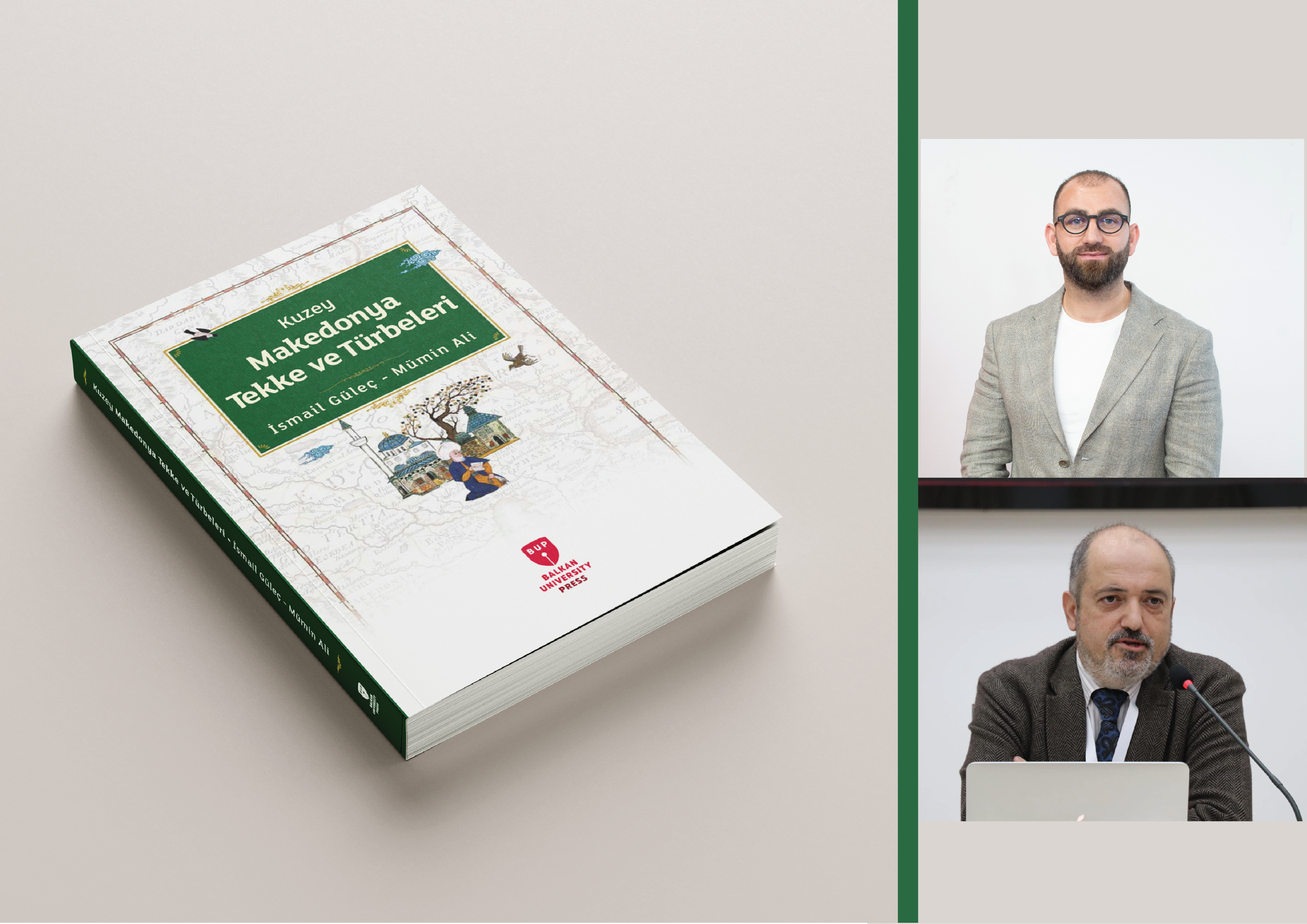
BUP INTERVIEW WITH PROF. ISMAIL GÜLEÇ AND ASST. PROF. MÜMIN ALI
Date: 26.09.2024 -

BUP Interview with Prof. Dzemil Bektovic
Date: 04.10.2024 -
-

BUP Interview with Prof. Shener Bilalli
Date: 30.10.2024 -

BUP Academic Blog with Prof. Tamás Szemlér
Date: 08.11.2024 -
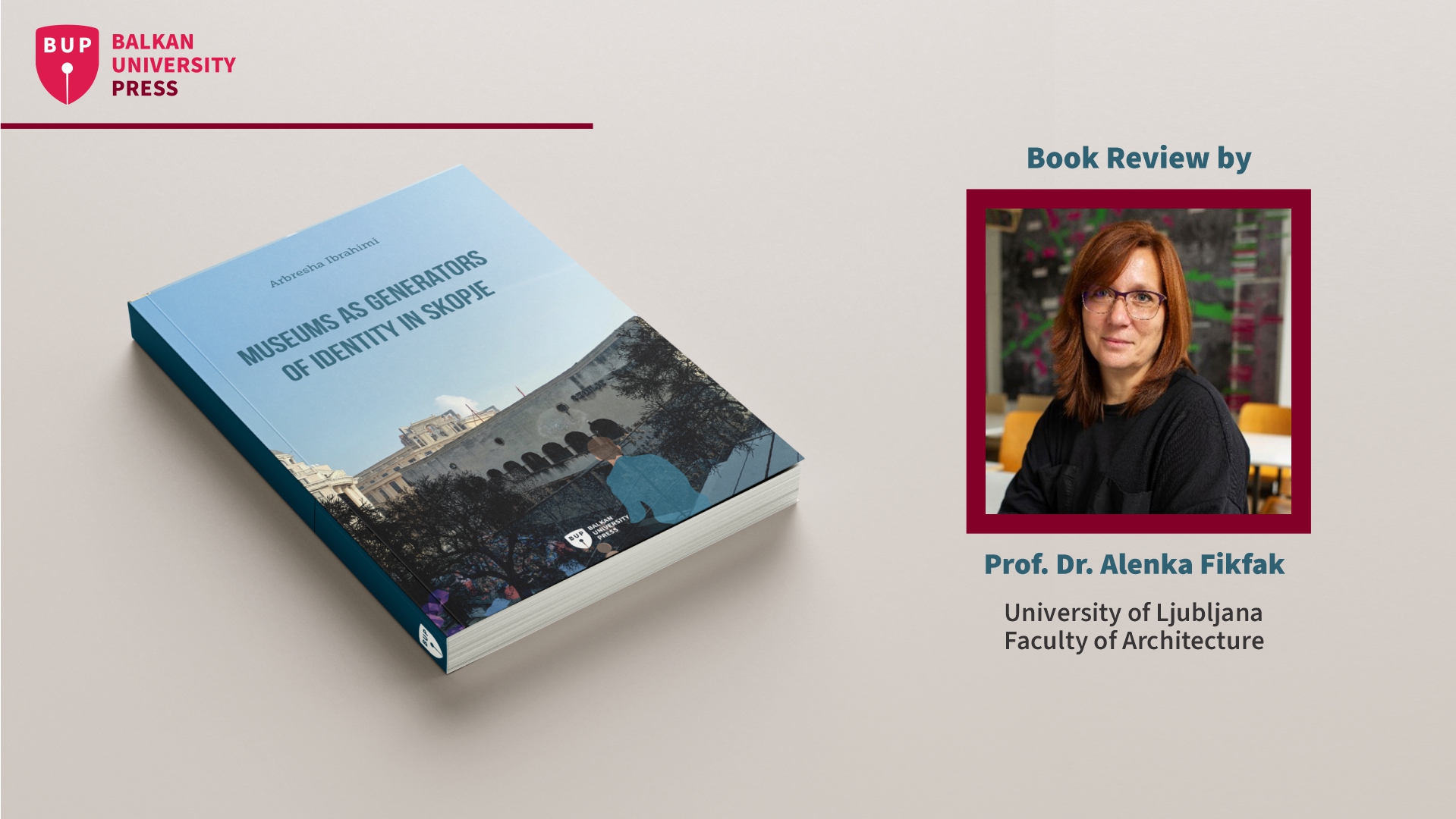
Book Review for "Museums as Generators of Identity in Skopje"
Date: 20.11.2024 -

BUP Interview with Arbresha Ibrahimi
Date: 25.11.2024 -

The first volume of Balkan Research Journal is here
Date: 02.12.2024 -
Volume 5, Issue 2 of the Journal of Law and Politics is published
Date: 31.10.2024 -

The inaugural issue of Journal of Balkan Architecture is published
Date: 29.11.2024 -
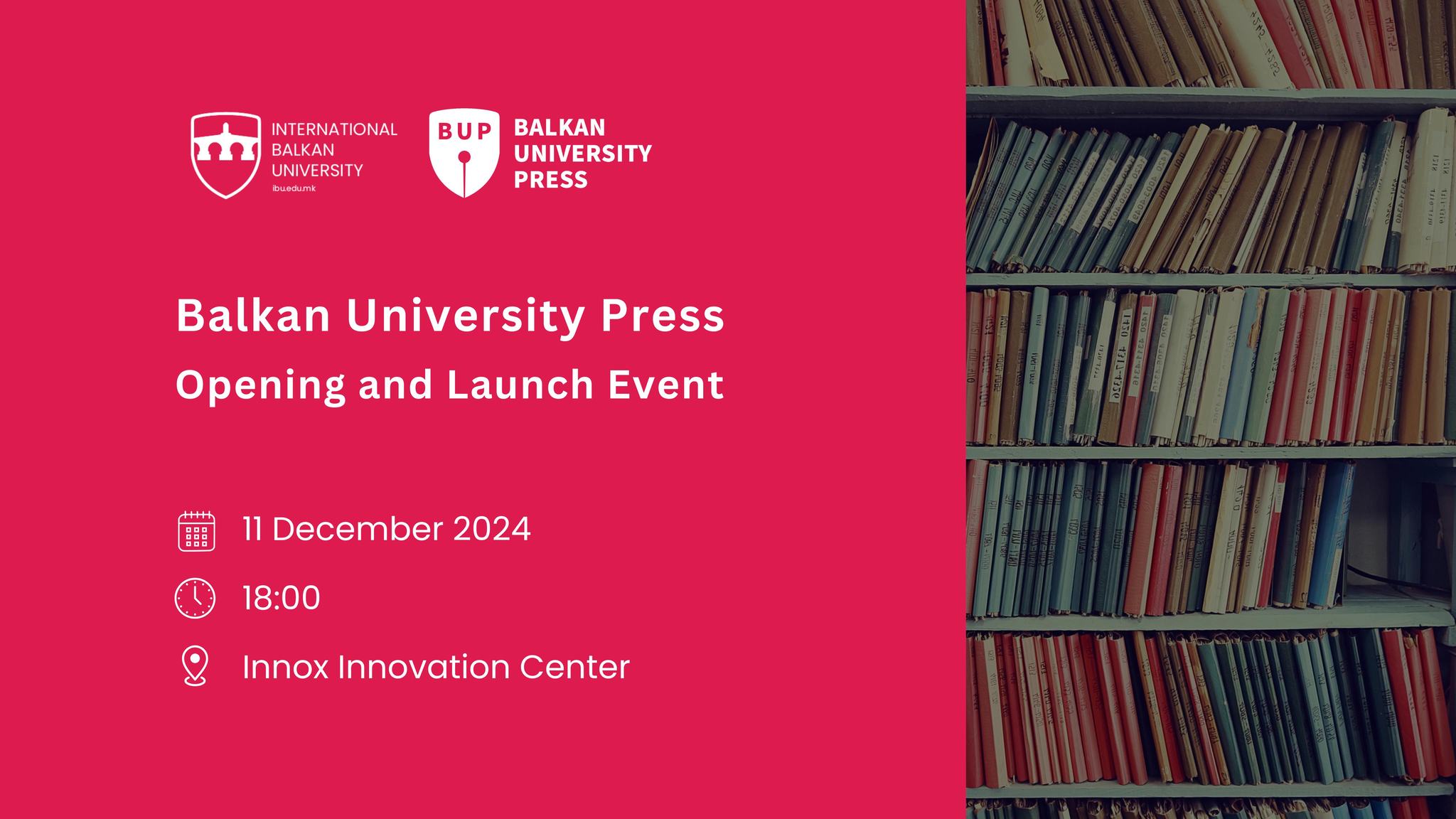
BUP Launch Event
Date: 10.12.2024 -

Grand Launch of Balkan University Press
Date: 12.12.2024 -

BALKAN UNIVERSITY PRESS
Date: 09.01.2025 -
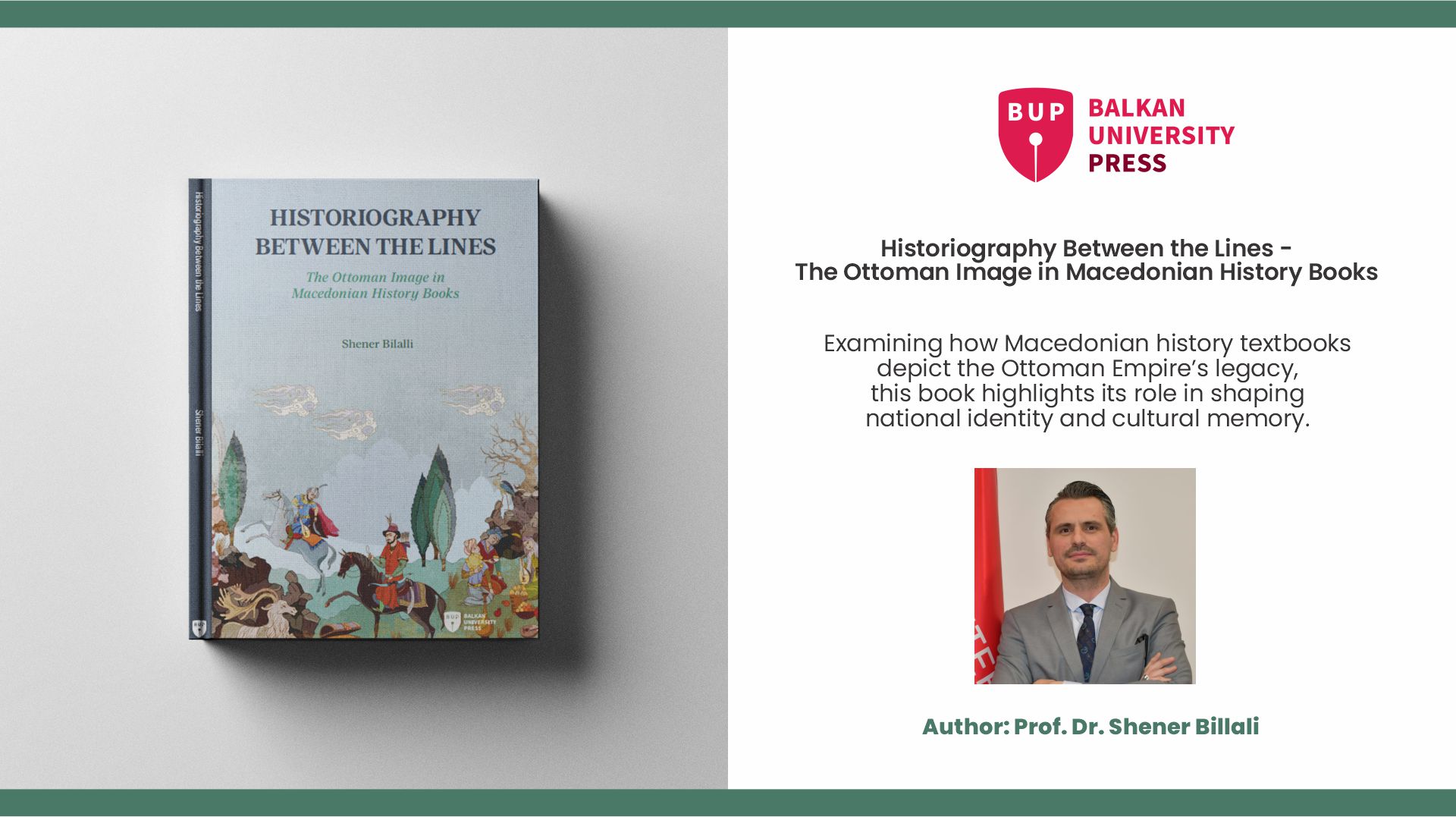
Publication of a book
Date: 30.12.2024 -
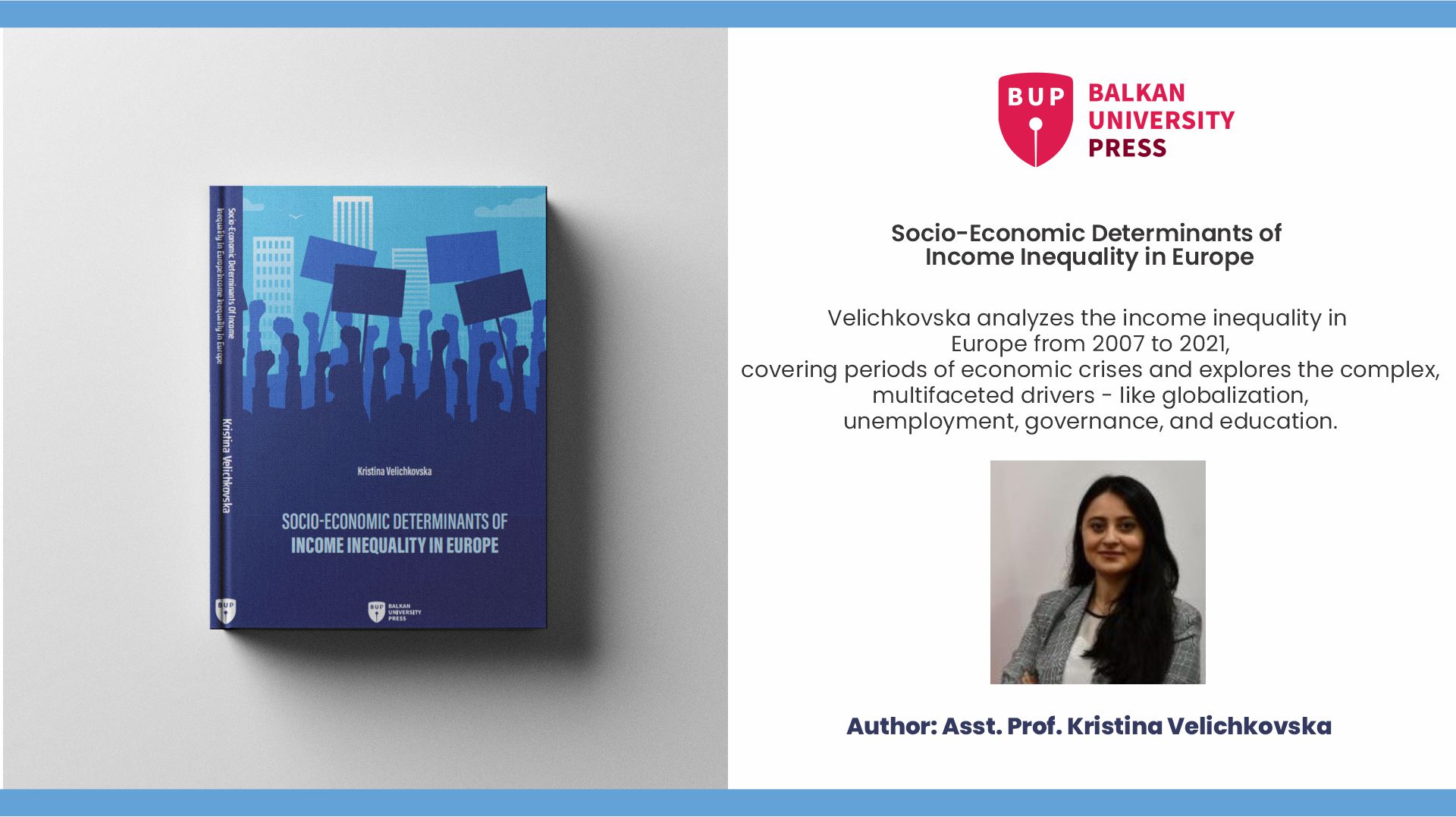
Publication of a book
Date: 24.12.2024 -

The December Issue of IJEP is published
Date: 31.12.2024 -

The December Issue of TEFMJ is published
Date: 16.01.2025 -
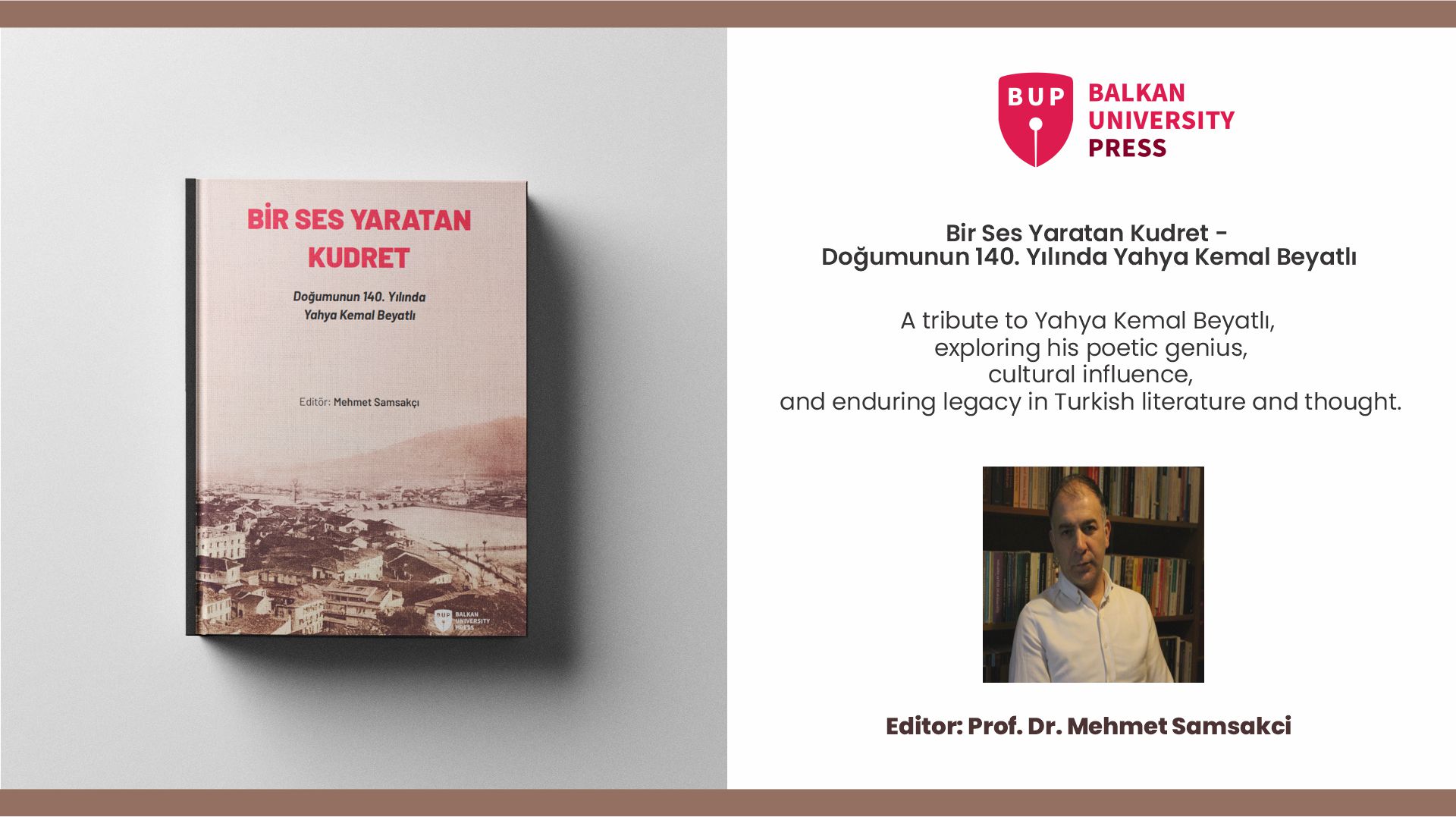
-

BUP Interview with Asst. Prof. Kristina Velichkovska
Date: 29.01.2025 -

-

-

BUP Interview with Kefajet Edip
Date: 18.02.2025 -

BUP Academic Blog by Frank Weinreich
Date: 20.02.2025 -
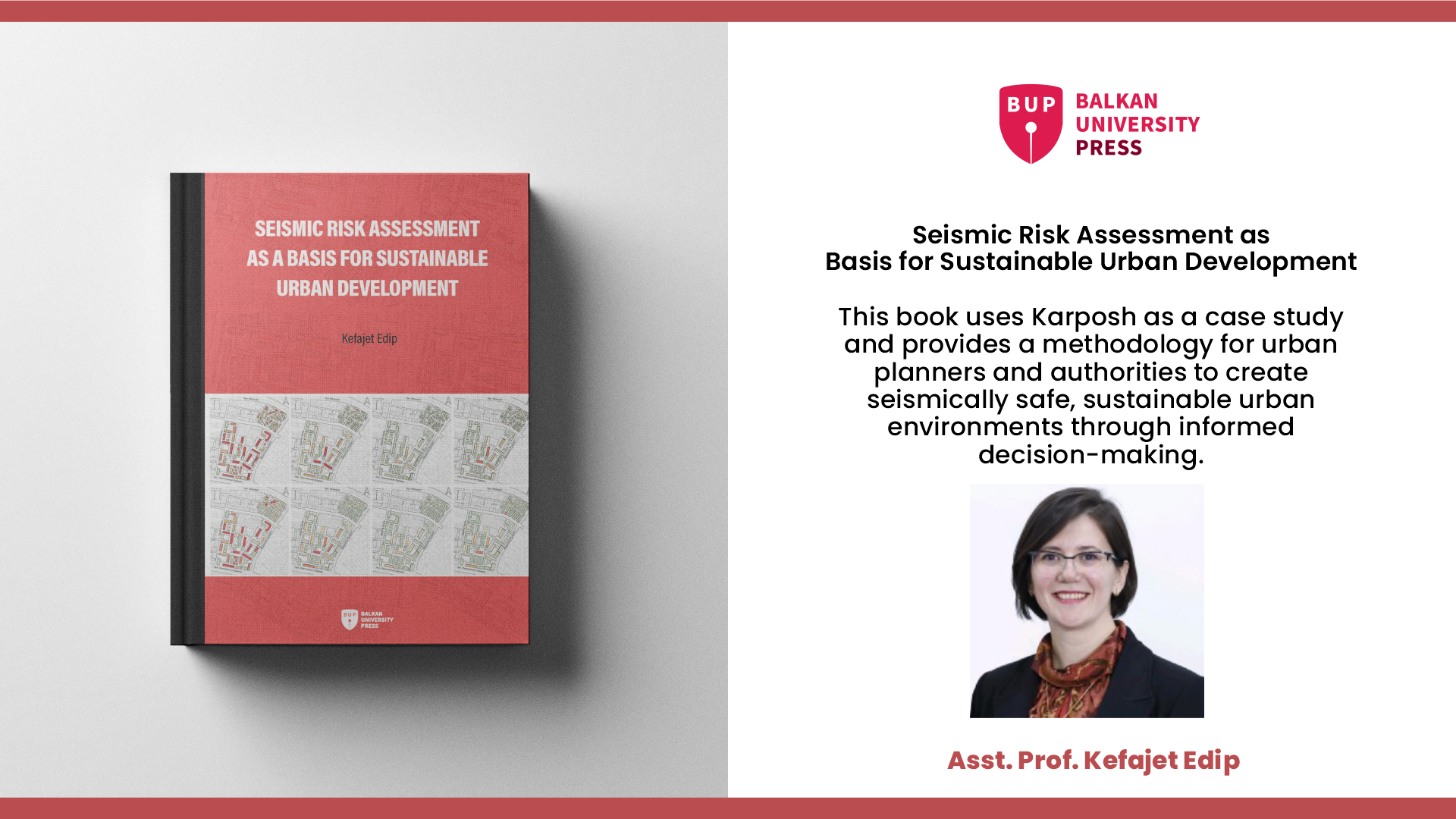
-

-

BUP Interview with Prof. Dr. Ana Kechan
Date: 30.04.2025 -

BUP Interview with Ozlem Kurt
Date: 14.05.2025 -

BUP Interview With Assoc. Prof. Igballe Miftari-Fetishi
Date: 03.09.2025 -

Publication of the book "An Integrated Approach to Academic Reading"
Date: 09.09.2025 -

BUP Interview with Nikola Dacev
Date: 15.09.2025 -
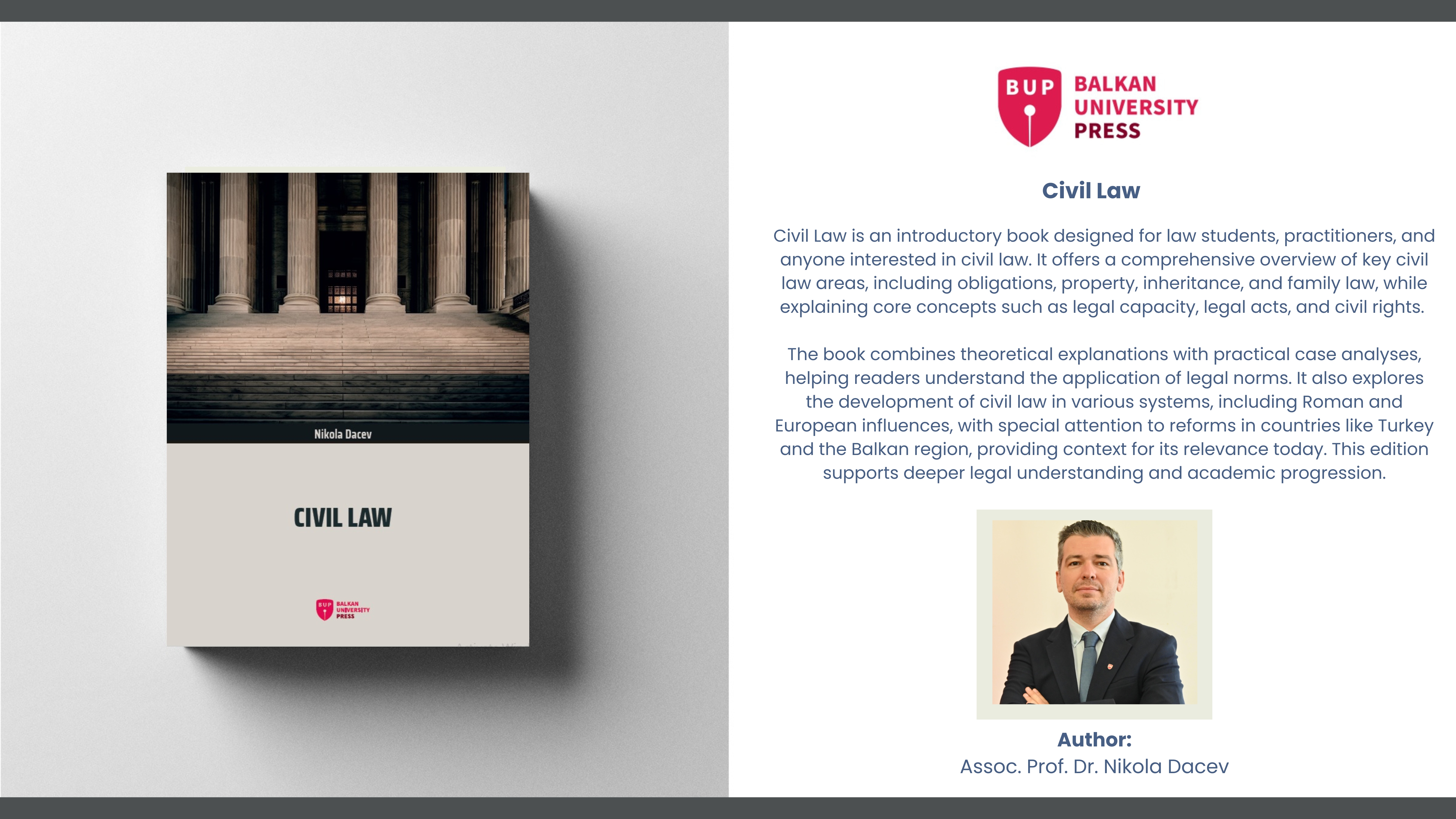
Publication of the book "Civil Law"
Date: 17.09.2025 -

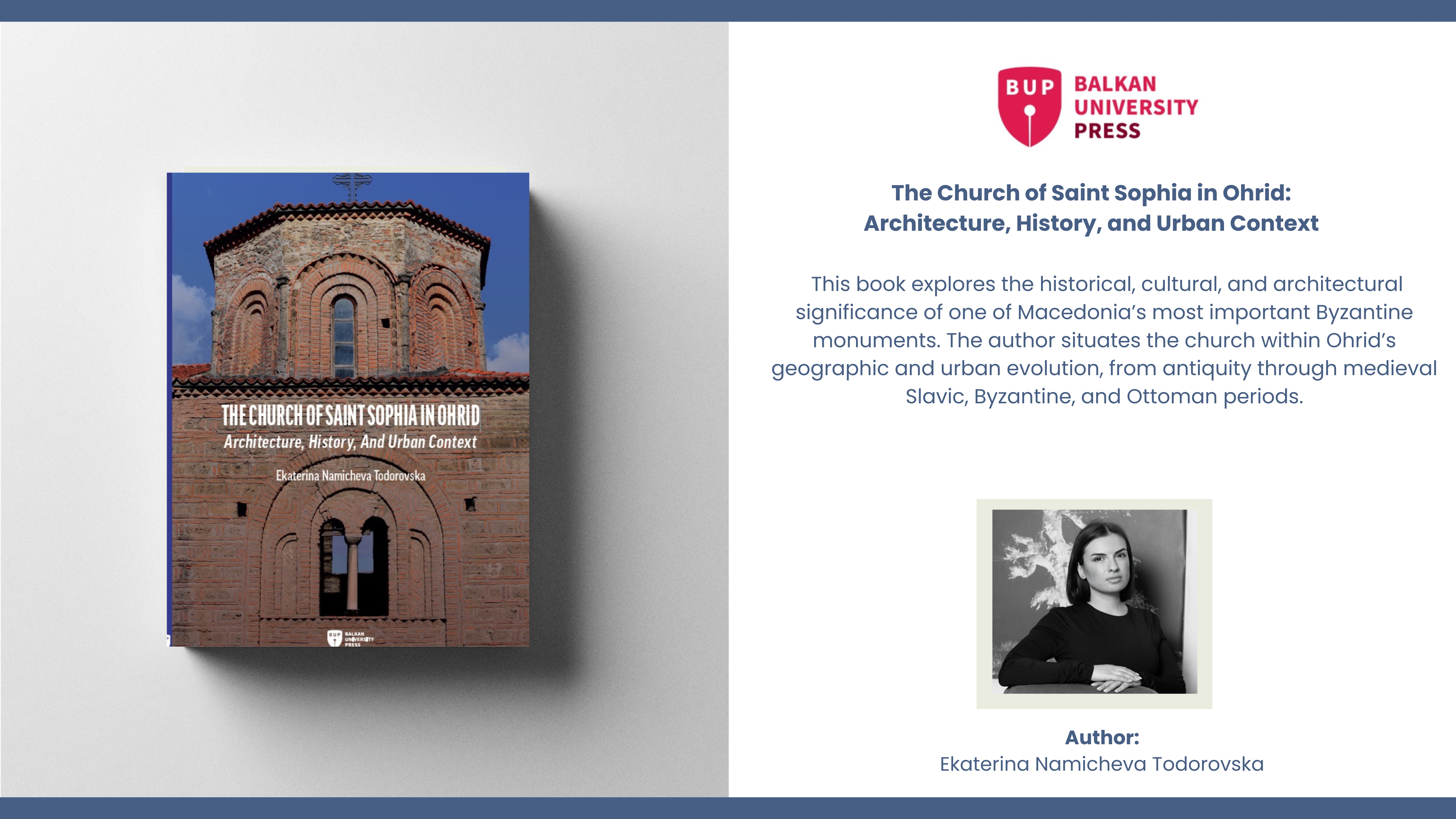
BUP Interview with Ekaterina Namicheva Todorovska
Date: 22.09.2025 -
.png)
-
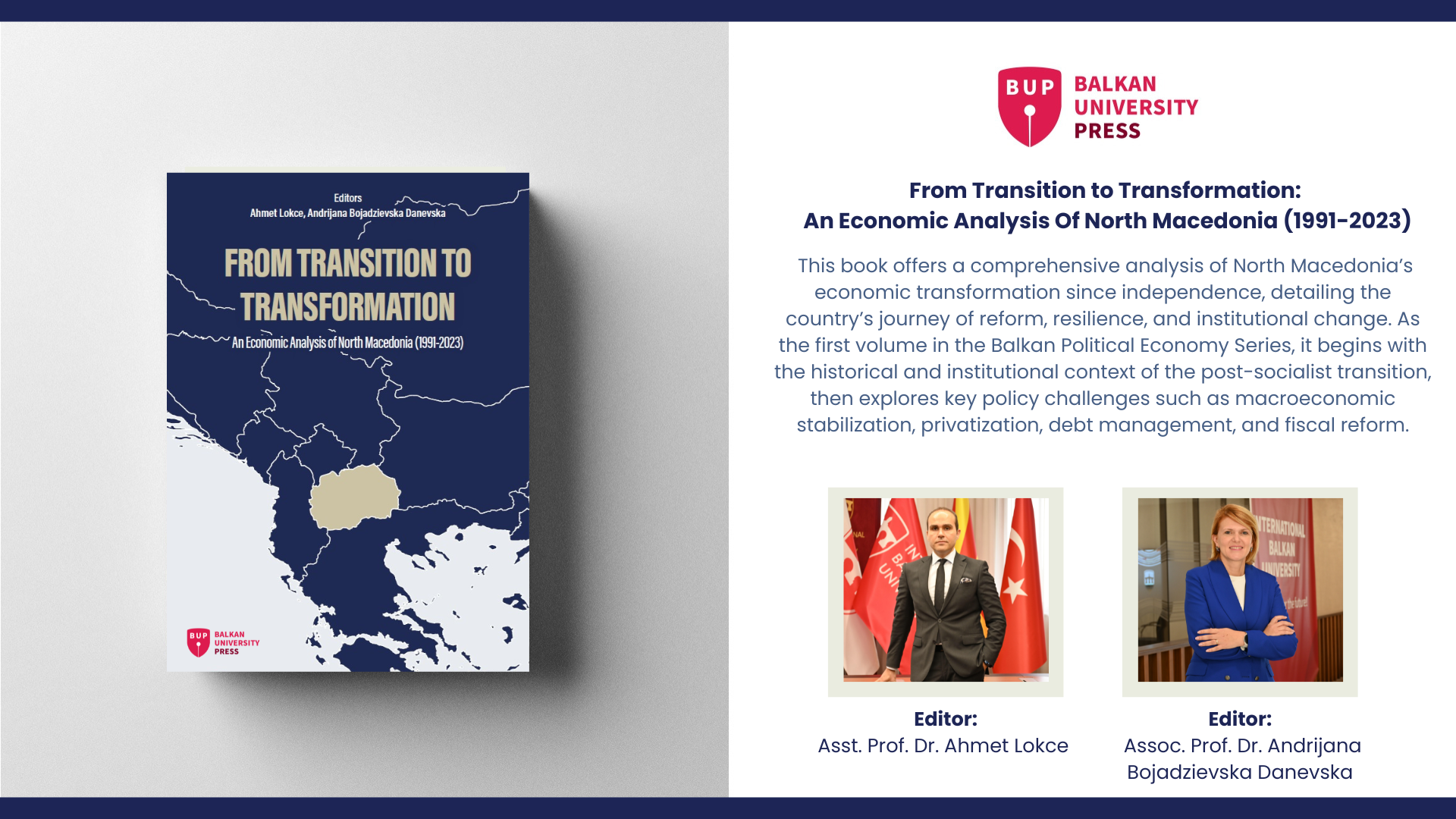
The first book of the Balkan Political Economy Series is published
Date: 07.10.2025 -
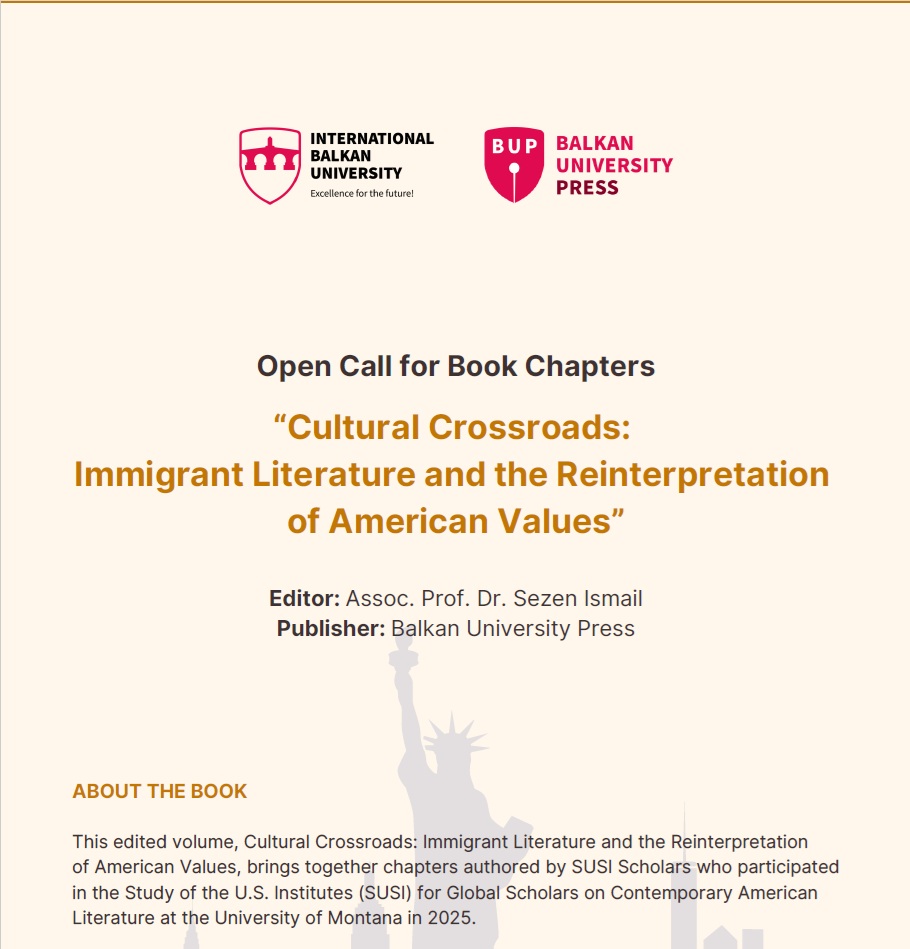
OPEN CALL for Book Chapters
Date: 08.10.2025 -
-
.png)
-

BUP Interview with Sumea Ramadani
Date: 24.10.2025 -
.png)
Publication of the book "Two Worlds of Healing" by Sumea Ramadani
Date: 05.11.2025 -

New BUP Publication
Date: 23.12.2025 -
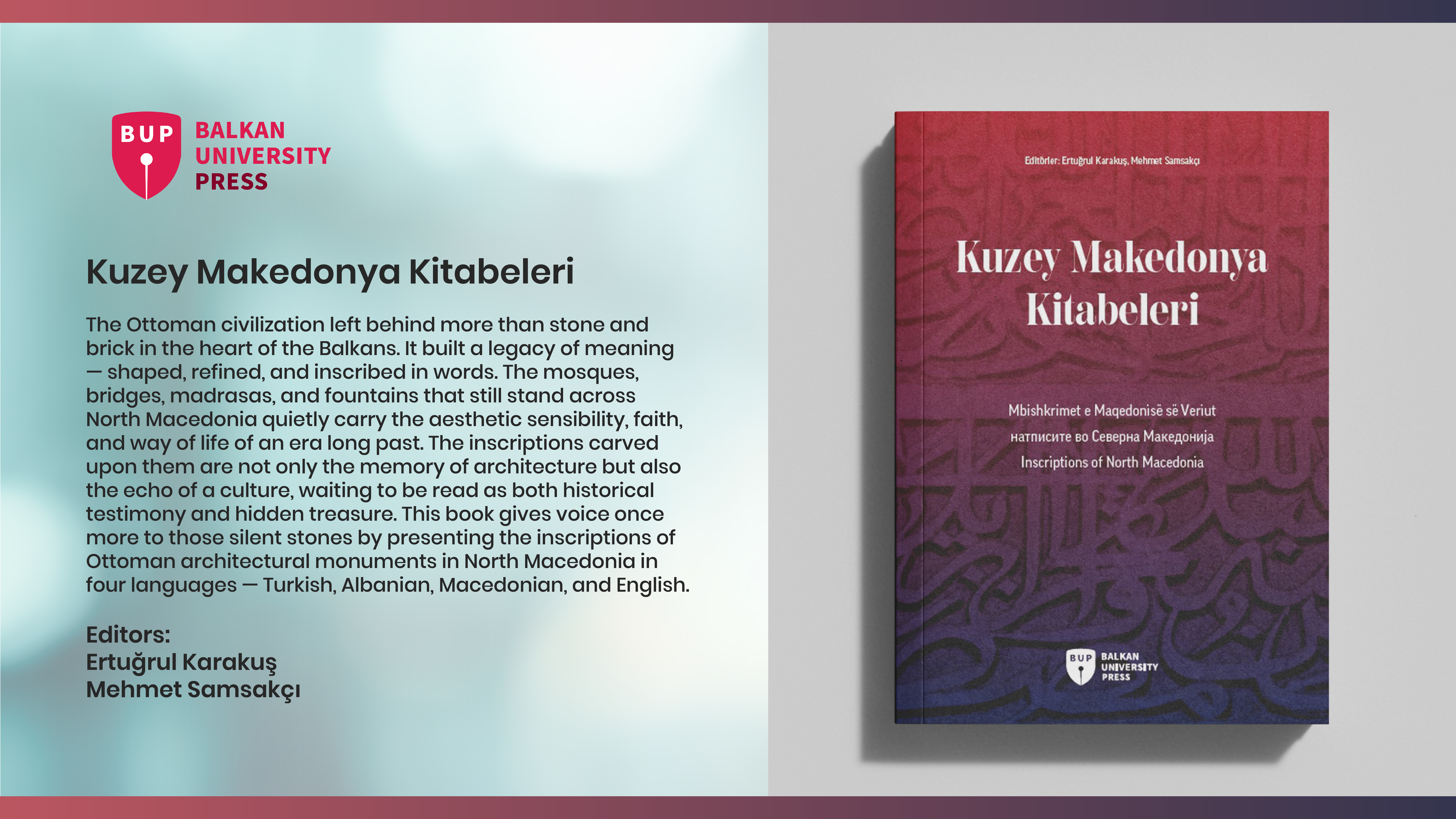
Publication of the book "Kuzey Makedonya Kitabeleri"
Date: 26.12.2025 -

-

BUP Interview with Prof. Marija Miloshevska Janakieska
Date: 17.03.2026 -

BUP Interview wIth Prof. Daniel Xerri
Date: 19.03.2026 -
-

BUP Interview with Ana Kechan
Date: 31.03.2026 -

Publication of the book "Jungian Literary Hermeneutics"
Date: 06.04.2026 -
.jpg)
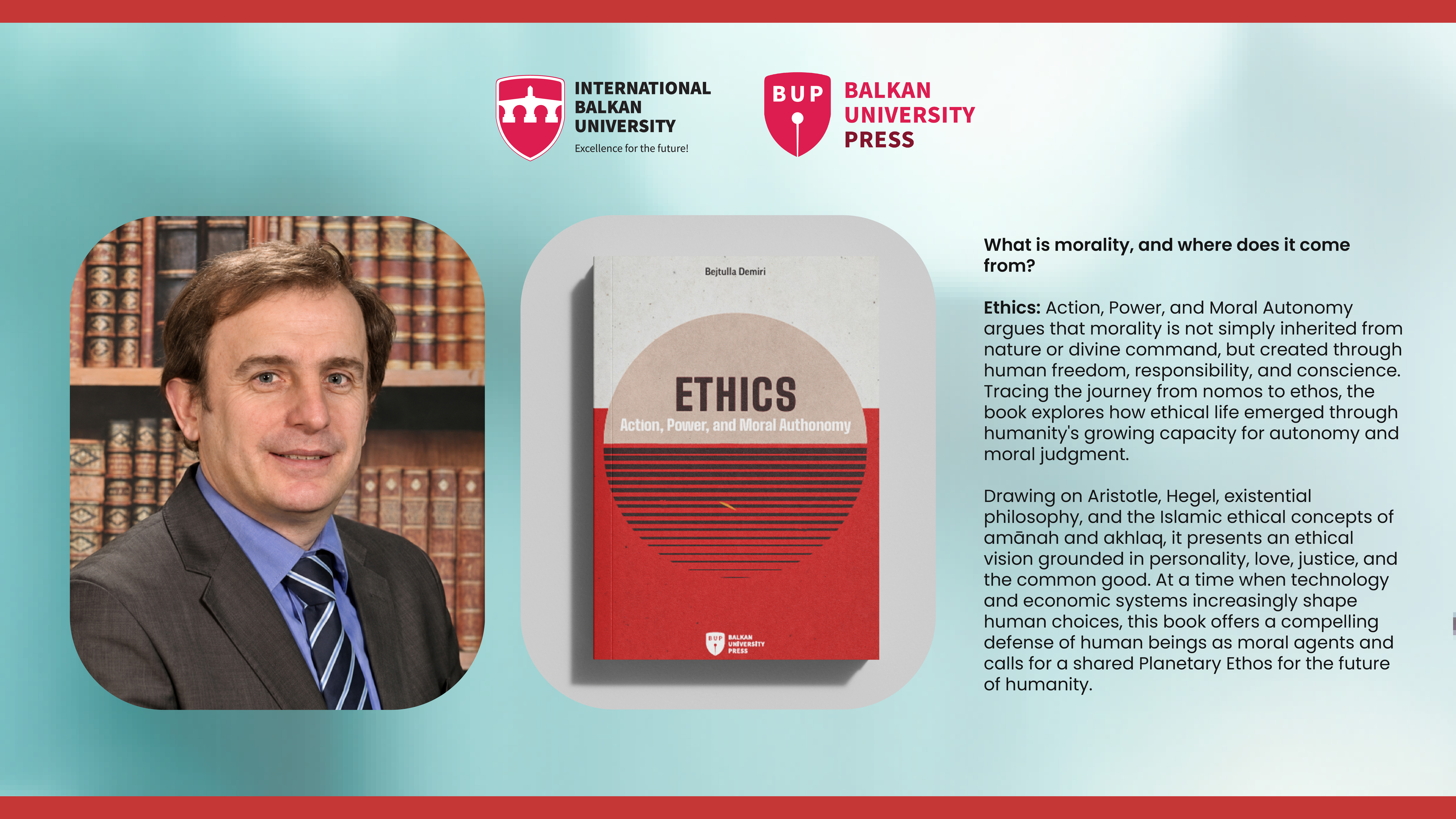
Publication of the book "Ethics: Action, Power, and Moral Autonomy"
Date: 23.07.2026 -
.jpg)
-
-
-