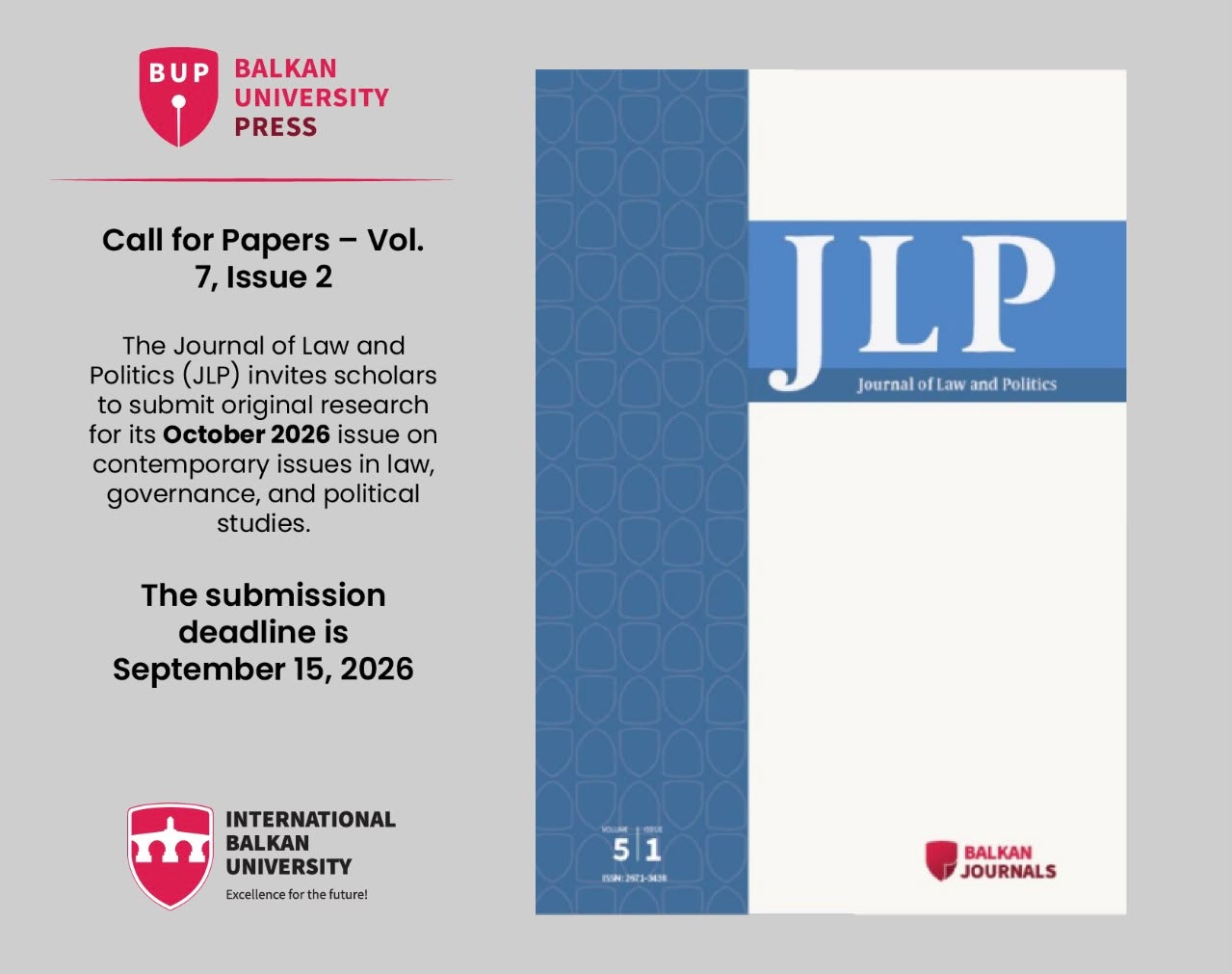
BUP Interview wIth Prof. Daniel Xerri
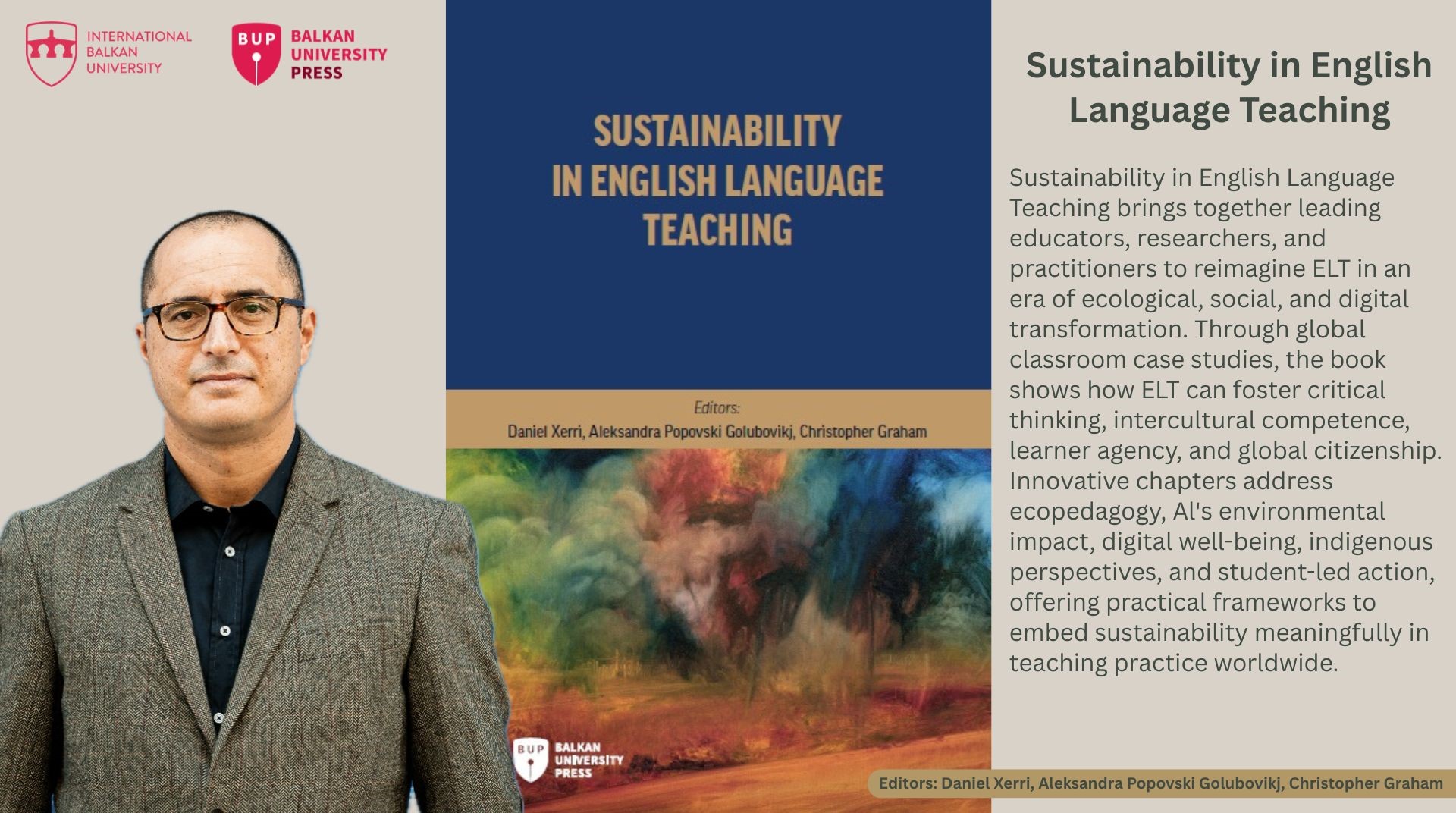
The latest Balkan University Press publication is the edited book Sustainability in English Language Teaching, edited by Daniel Xerri, Aleksandra Popovski Golubovikj, and Christopher Graham. This book demonstrates that many educators around the world are already finding creative ways to overcome these challenges. By bringing together diverse voices from different educational contexts, the volume highlights innovative classroom practices, teacher development initiatives, and research-informed approaches that show how sustainability can be meaningfully embedded in ELT. The collection celebrates the growing momentum within the global ELT community to rethink the social purpose of language education and offers practical inspiration for teachers, researchers, and policymakers seeking to align language teaching with the broader goal of building more just and sustainable futures. In this interview, we speak with Prof. Daniel Xerri about sustainability in ELT.
BUP: The book argues that English language teaching should respond to today’s ecological and social challenges. Why is it important to rethink the role of ELT in the context of sustainability?
DX: Rethinking the role of ELT is significant because the challenges facing the world today, such as climate change, social inequality, and rapid technological transformation, require education systems to prepare learners not only with linguistic skills but also with the knowledge, values, and dispositions needed to engage with these complex global issues. English, as a global lingua franca, gives learners access to international conversations about sustainability and enables them to participate in collaborative efforts aimed at addressing shared planetary challenges. For this reason, ELT has the potential to move beyond a narrow focus on language structures and communicative competence and instead function as a space where learners develop critical awareness, intercultural understanding, and a sense of global responsibility.
Embedding sustainability in ELT also enriches language learning itself. When students explore real-world topics such as climate change, social justice, or sustainable development, they engage with meaningful and intellectually demanding content that stimulates discussion, critical thinking, and problem-solving. This kind of content-based learning can deepen linguistic proficiency while simultaneously fostering global citizenship and learner agency. In this sense, ELT classrooms can become environments where language is used not just to communicate, but to analyse problems, imagine alternatives, and contribute to more sustainable futures.
Repositioning ELT in relation to sustainability reflects a broader shift in education: recognising that language teaching is not socially neutral but deeply connected to the world learners inhabit. By integrating sustainability into its pedagogical practices, ELT can play a meaningful role in equipping learners with both the communicative tools and the critical perspectives needed to participate responsibly in an interconnected and rapidly changing world.
BUP: Many chapters explore how the Sustainable Development Goals can be integrated into language classrooms. How can learning English help students engage with global issues such as climate change or social justice?
DX: Learning English can play a powerful role in helping students engage with global issues because language is the primary medium through which ideas about sustainability, climate action, and social justice are communicated and debated internationally. English enables learners to access a vast range of information, perspectives, and resources related to the SDGs. Through reading, discussion, and collaborative tasks centred on these issues, students can develop both linguistic proficiency and a deeper understanding of the interconnected ecological and social challenges facing the world.
Integrating global issues into language learning also creates meaningful communicative contexts. When learners analyse speeches, debate environmental policies, examine media representations of climate change, or explore themes such as gender equality and poverty, they are required to use language in authentic and intellectually demanding ways. These activities encourage the development of critical thinking, persuasive communication, and intercultural competence, as students consider how global challenges are experienced and addressed across different societies. In this way, English becomes a tool for inquiry, dialogue, and collaborative problem-solving rather than simply a subject to be mastered.
Furthermore, working with global issues can foster a sense of learner agency. By engaging with topics such as climate action, inequality, or sustainable development, students begin to see themselves as participants in global conversations rather than passive recipients of knowledge. Language classrooms can therefore become spaces where learners not only develop communicative competence but also explore how their voices and ideas can contribute to addressing shared global challenges.
BUP: The book highlights the importance of empowering students through real-world projects and discussions. How can language classrooms encourage learners to become active global citizens?
DX: Language classrooms can enable learners to position themselves as active global citizens by connecting language learning to real-world issues and giving students opportunities to use English as a tool for inquiry, dialogue, and action. When teachers integrate sustainability themes into classroom activities, students begin to see language not merely as an academic subject but as a means of understanding and engaging with the world. These activities encourage learners to examine different perspectives, articulate their own views, and develop the communicative skills needed to participate in global conversations.
Project-based and inquiry-based approaches are particularly effective in fostering this sense of agency. By working on real-world challenges, such as designing awareness campaigns, investigating local environmental issues, or analysing sustainability initiatives, students practise language skills while also developing critical thinking, collaboration, and problem-solving abilities. These experiences can culminate in tangible outcomes, such as presentations, campaigns, or community engagement projects, which reinforce the idea that learners’ voices matter and can contribute to positive change.
Such approaches help cultivate a sense of responsibility and empowerment. When learners explore sustainability issues through meaningful language tasks, they are encouraged to reflect on the relationship between local actions and global challenges. In this way, language classrooms can become spaces where students develop the confidence and awareness needed to act as informed, engaged global citizens who are capable of contributing thoughtfully to discussions about the future of their communities and the planet.
BUP: Teacher training is another key theme in the book. What changes are needed in teacher education to prepare educators better to address sustainability in their classrooms?
DX: Preparing educators to tackle sustainability in their classrooms requires a shift in how teacher education programmes conceptualise the role of language teaching. One important change is the systematic integration of sustainability into initial teacher education rather than treating it as an optional or peripheral topic. Many training programmes still provide little explicit guidance on how sustainability themes or the SDGs can be incorporated into language teaching, leaving teachers to rely on personal initiative or improvised materials. Embedding sustainability within teacher education curricula would help future teachers understand how environmental, social, and cultural issues can serve as meaningful content for language learning.
Teacher education also needs to equip educators with practical pedagogical strategies. This includes training teachers to design lessons that combine language objectives with sustainability-related topics, use project-based and inquiry-based learning approaches, and facilitate critical discussions about global issues. Developing these competencies can help teachers move beyond superficial treatment of sustainability themes and instead create learning experiences that foster cognitive and emotional engagement, intercultural awareness, and learner agency.
Teacher education programmes should also cultivate broader professional awareness of the role educators can play in promoting sustainable futures. This involves encouraging teachers to view English as a means of engaging with complex global challenges and supporting interdisciplinary learning. When teachers develop the confidence and knowledge to address sustainability in meaningful ways, they are better positioned to create classrooms where language learning is connected to the ethical, social, and ecological concerns shaping the world today.
BUP: Despite growing interest in sustainability education, the book also discusses several challenges institutions face. What are the biggest barriers to integrating sustainability into English language teaching today?
DX: One of the most significant barriers to integrating sustainability into ELT is the lack of systematic support within curricula and teaching materials. In many contexts, sustainability topics appear only sporadically in coursebooks and often focus on superficial environmental themes rather than fostering deeper critical engagement with the social, economic, and political dimensions of sustainability. As a result, teachers may struggle to connect sustainability issues meaningfully with language learning objectives, which can lead to fragmented or tokenistic inclusion of these themes in lessons.
Another major challenge concerns teacher preparedness. While many educators are motivated to address issues such as climate change, inequality, or global citizenship in their classrooms, they frequently report lacking the training, confidence, and resources needed to do so effectively. Without targeted professional development and clear pedagogical frameworks, teachers often rely on individual initiative to integrate sustainability topics, which can result in uneven implementation across institutions and educational systems.
Institutional constraints also play an important role. Language programmes are frequently shaped by rigid curricula, standardised assessment requirements, and limited class time, all of which can make it difficult to incorporate interdisciplinary topics like sustainability. Furthermore, educational systems often operate within disciplinary silos that discourage collaboration across subject areas, even though sustainability issues inherently require interdisciplinary perspectives. These structural limitations can prevent sustainability from becoming a fully integrated dimension of language education.
There can also be broader ideological and discursive barriers. In some contexts, sustainability-related issues, especially those connected to climate justice, gender inequality, or political decision-making, are perceived as controversial or overly political. This can make institutions or educators hesitant to engage deeply with such topics, even though meaningful sustainability education requires critical reflection on the systems and values shaping contemporary societies. Overcoming these barriers will require stronger institutional commitment, better teacher education, and a willingness to view language teaching as part of a broader effort to prepare learners for the complex realities of the modern world.
Daniel Xerri is an Associate Professor in Applied Linguistics and TESOL at the University of Malta, and the Chairperson of the ELT Council. He has published widely on different areas of English language education. He has co-edited eleven books and authored over 250 publications. His work has appeared in research anthologies, scholarly journals, magazines, and newspapers. His publications have generated a substantial number of citations. He has delivered plenary talks and keynotes in 20 countries and his research has been awarded international prizes. His main research interests are teacher research and professional learning.
Latest News
-
Opened call for the new issue of TEFMJ
Date: 10.02.2024 -
The Journal of Law and Politics welcomes your papers
Date: 10.02.2024 -
-
.png)
Call for Papers for an Edited Volume
Date: 27.05.2024 -

Open Call for Chapter Proposals
Date: 27.05.2024 -

The new issue of Journal of Law and Politics is here!
Date: 01.05.2024 -

TEFMJ June issue is published
Date: 01.07.2024 -

IJEP's Vol. 5, Issue 1 is now available!
Date: 02.07.2024 -

Vol. 4, Issue 1 - IJTNS
Date: 01.07.2024 -

The first IJAD volume is online!
Date: 02.07.2024 -

Balkan University Press Launches the Journal of Balkan Architecture
Date: 15.07.2024 -

-
Balkan Political Economy Series welcomes your proposals
Date: 18.07.2024 -
BUP Interview with Prof. Marija Miloshevska Janakieska
Date: 18.07.2024 -
BUP Interview with Asst. Prof. Dr. Ahmet Lökçe
Date: 24.07.2024 -
-
Prof. Xhaferi's blog for BUP
Date: 28.08.2024 -
-
-

IJEP is now indexed in the Copernicus Journals Master List
Date: 23.09.2024 -
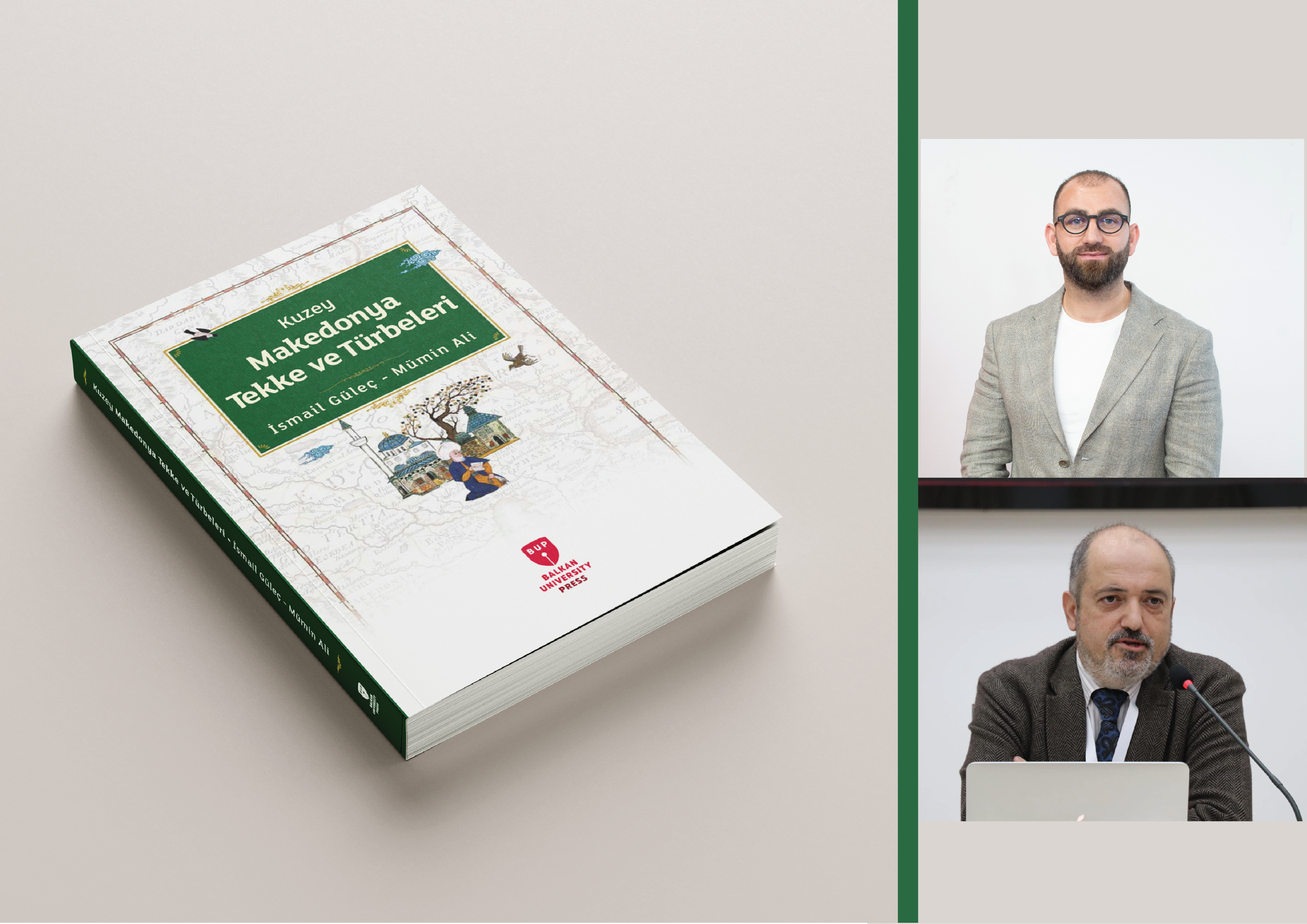
BUP INTERVIEW WITH PROF. ISMAIL GÜLEÇ AND ASST. PROF. MÜMIN ALI
Date: 26.09.2024 -
BUP Interview with Prof. Dzemil Bektovic
Date: 04.10.2024 -

-
BUP Interview with Prof. Shener Bilalli
Date: 30.10.2024 -
BUP Academic Blog with Prof. Tamás Szemlér
Date: 08.11.2024 -
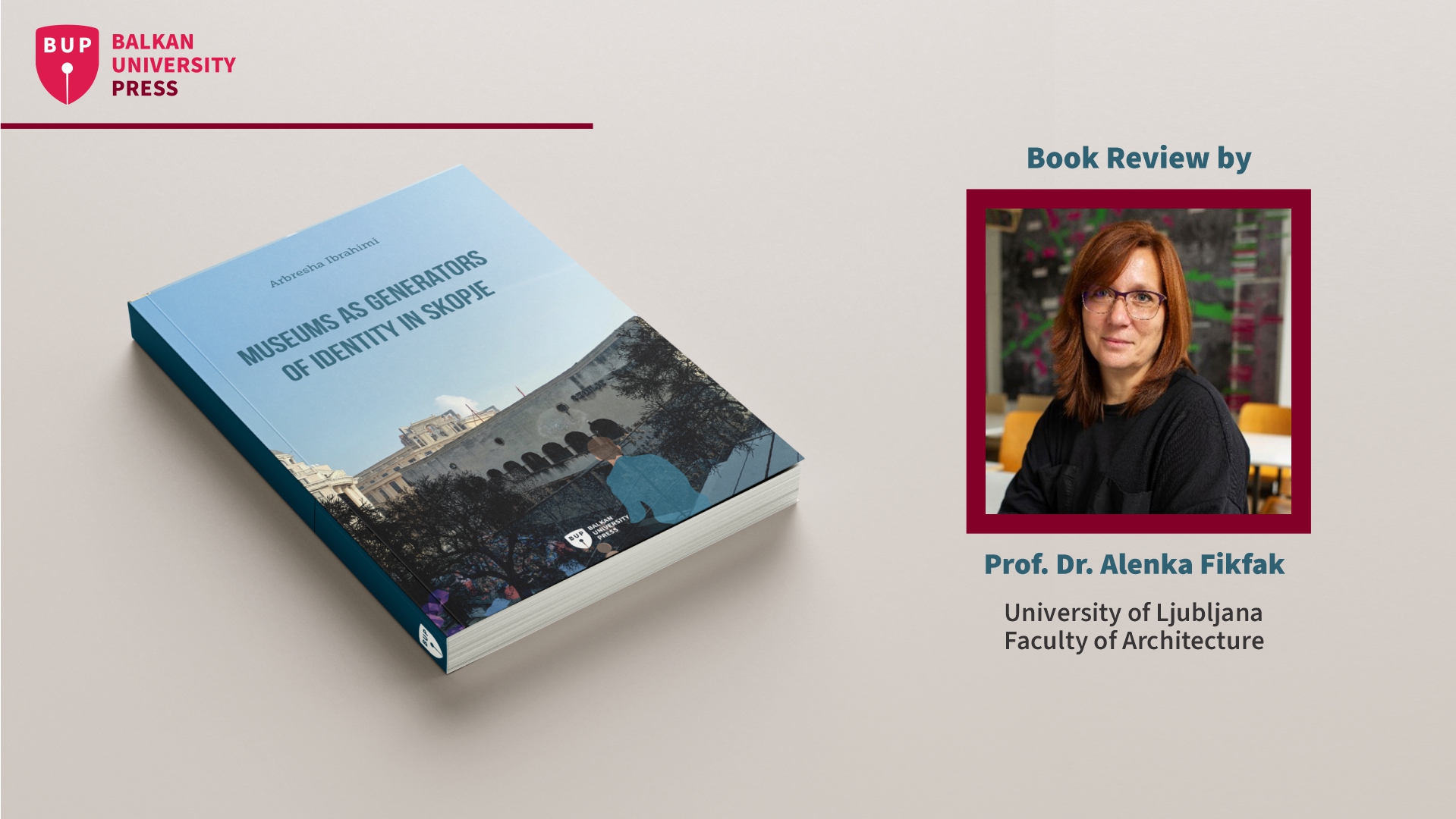
Book Review for "Museums as Generators of Identity in Skopje"
Date: 20.11.2024 -
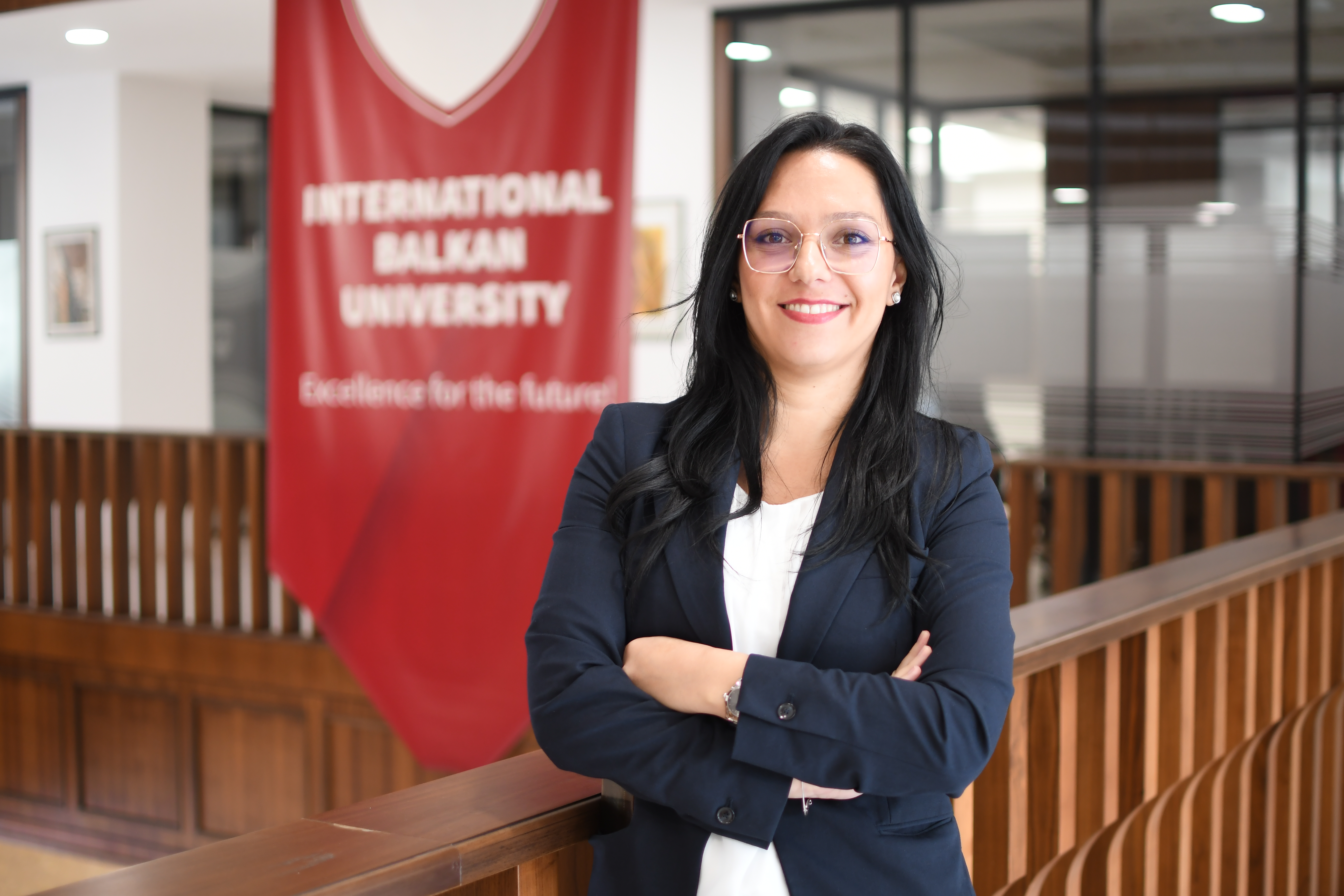
BUP Interview with Arbresha Ibrahimi
Date: 25.11.2024 -

The first volume of Balkan Research Journal is here
Date: 02.12.2024 -
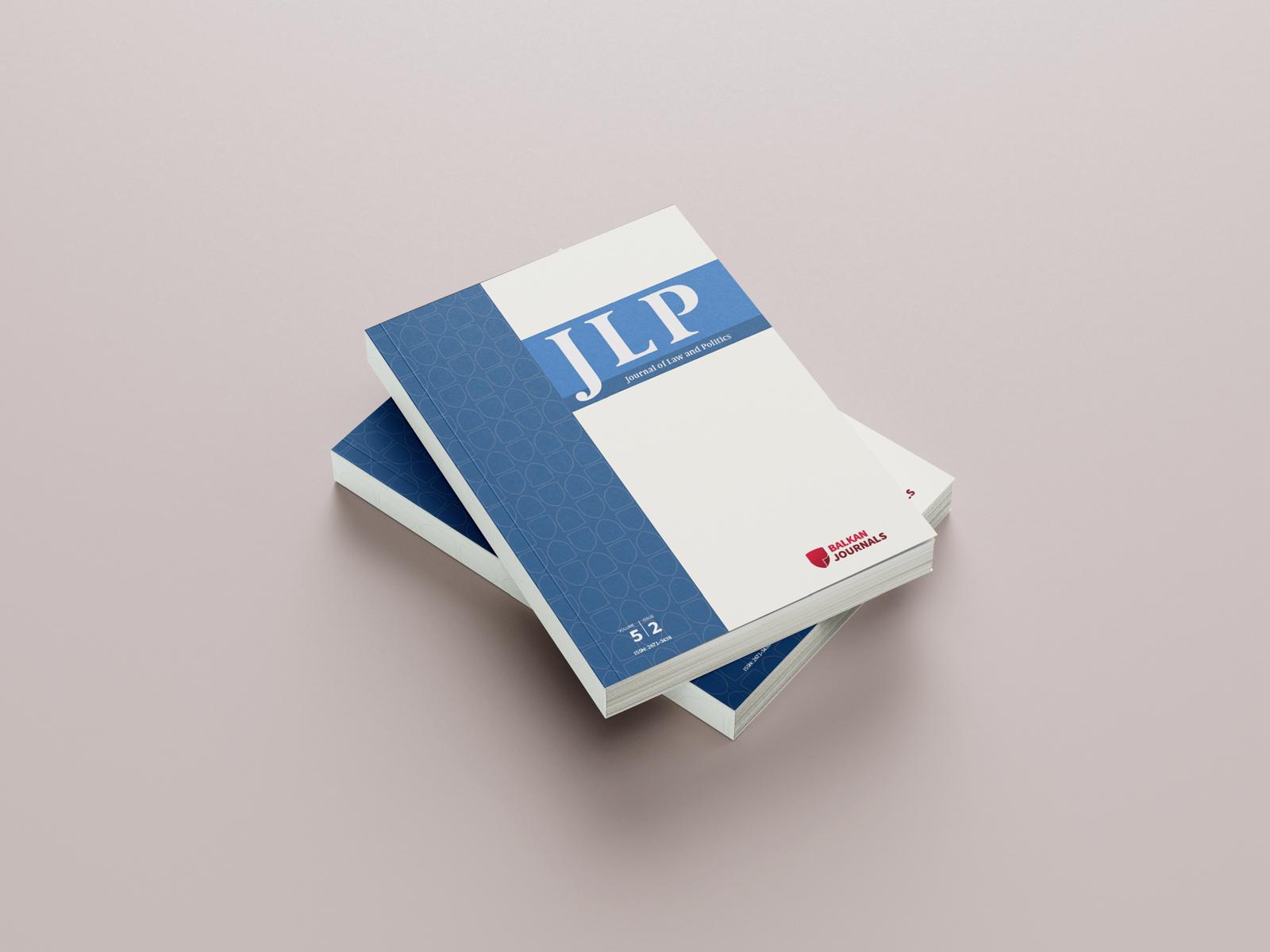
Volume 5, Issue 2 of the Journal of Law and Politics is published
Date: 31.10.2024 -

The inaugural issue of Journal of Balkan Architecture is published
Date: 29.11.2024 -
BUP Launch Event
Date: 10.12.2024 -
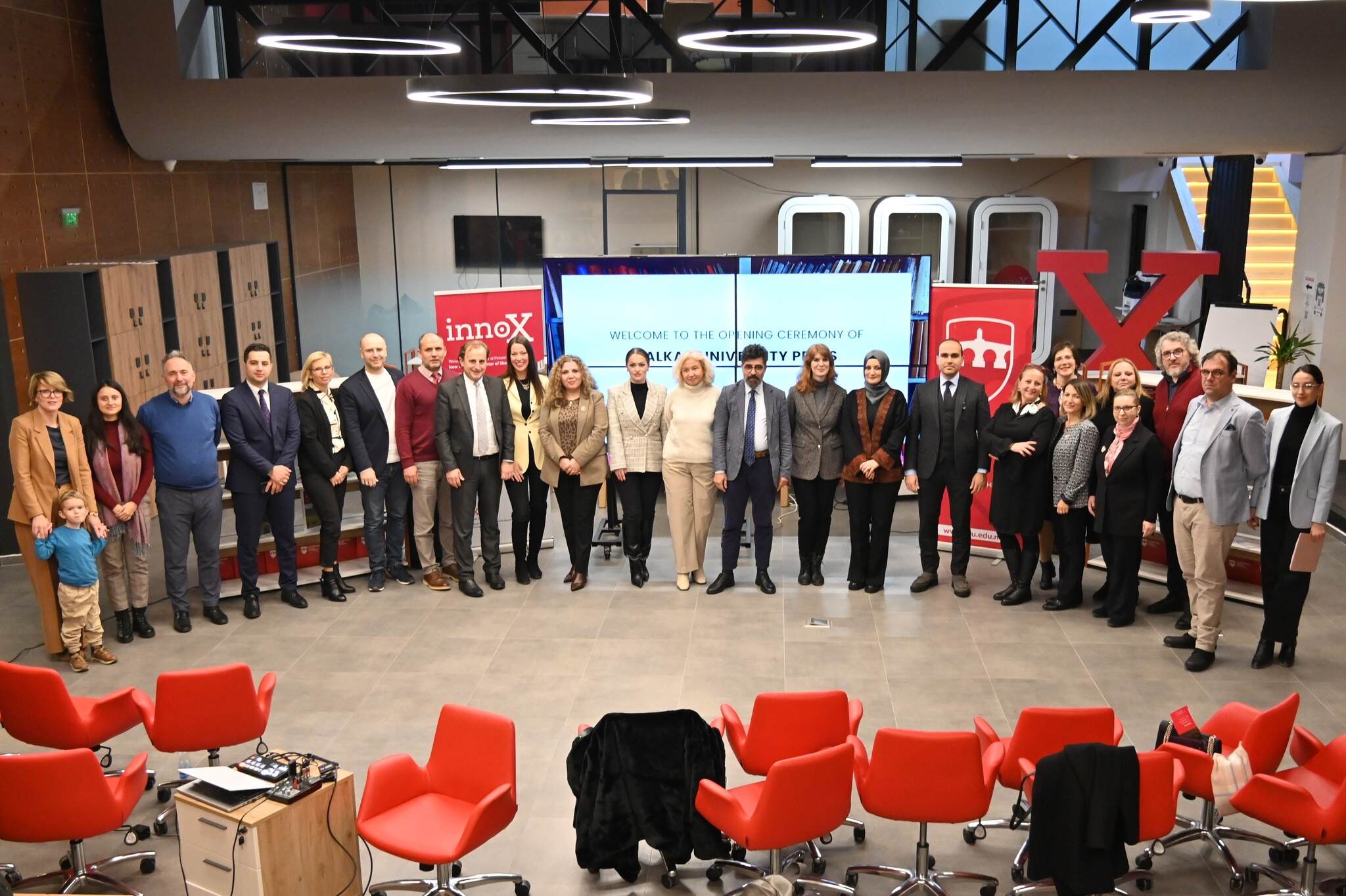
Grand Launch of Balkan University Press
Date: 12.12.2024 -
BALKAN UNIVERSITY PRESS
Date: 09.01.2025 -
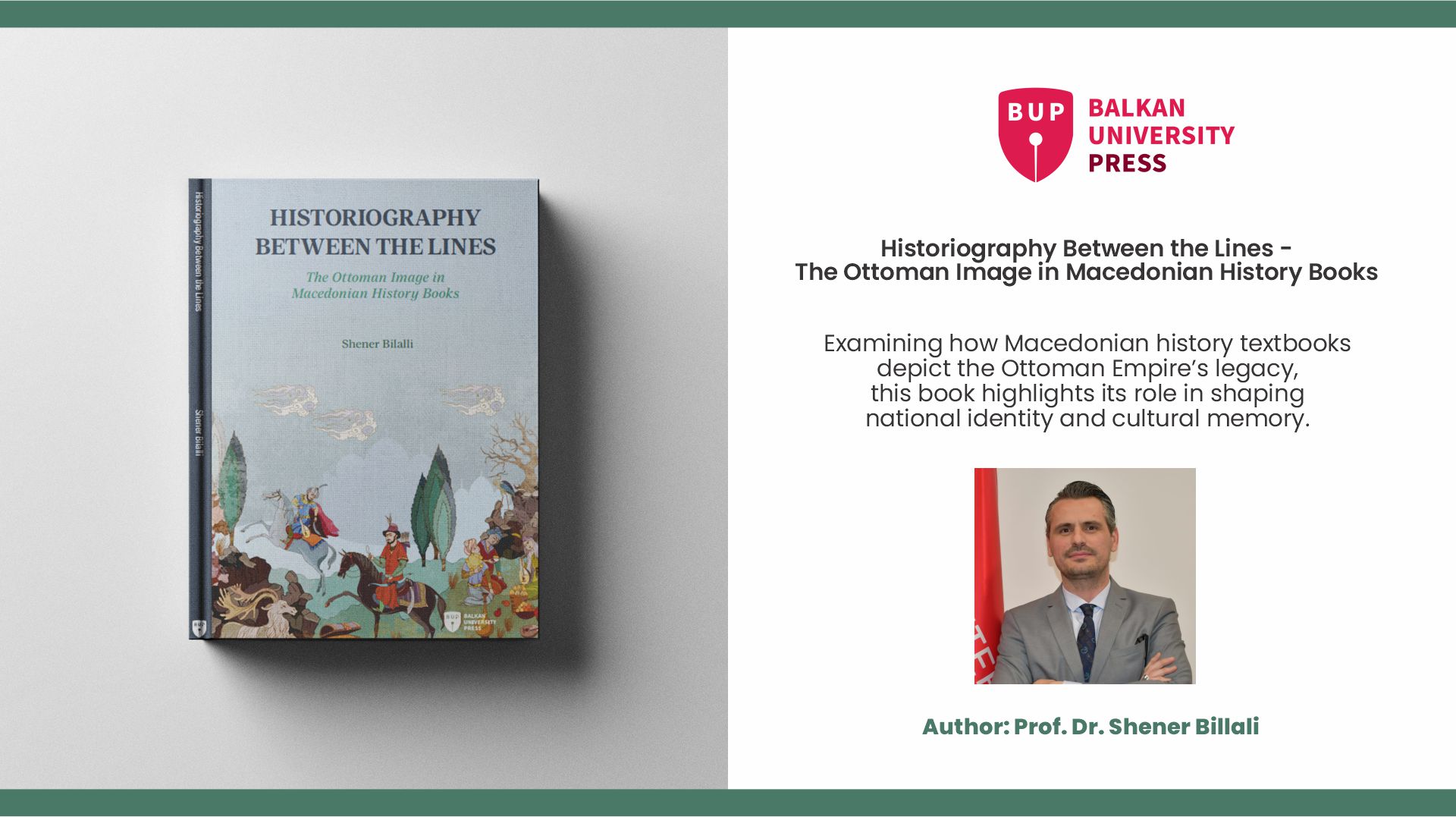
Publication of a book
Date: 30.12.2024 -
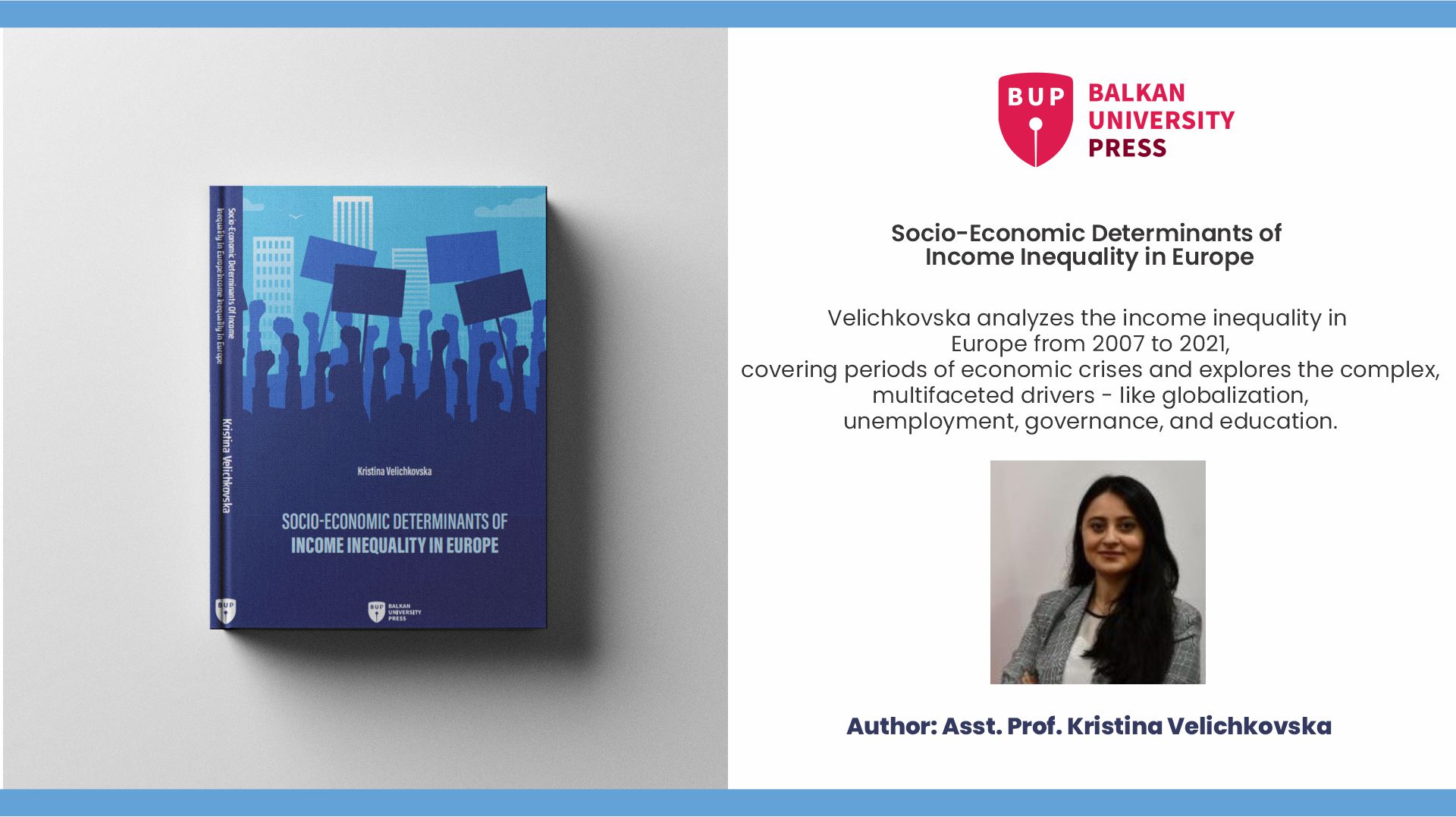
Publication of a book
Date: 24.12.2024 -
The December Issue of IJEP is published
Date: 31.12.2024 -

The December Issue of TEFMJ is published
Date: 16.01.2025 -
-
BUP Interview with Asst. Prof. Kristina Velichkovska
Date: 29.01.2025 -
-
-
BUP Interview with Kefajet Edip
Date: 18.02.2025 -
BUP Academic Blog by Frank Weinreich
Date: 20.02.2025 -
-

-

BUP Interview with Prof. Dr. Ana Kechan
Date: 30.04.2025 -
BUP Interview with Ozlem Kurt
Date: 14.05.2025 -

BUP Interview With Assoc. Prof. Igballe Miftari-Fetishi
Date: 03.09.2025 -
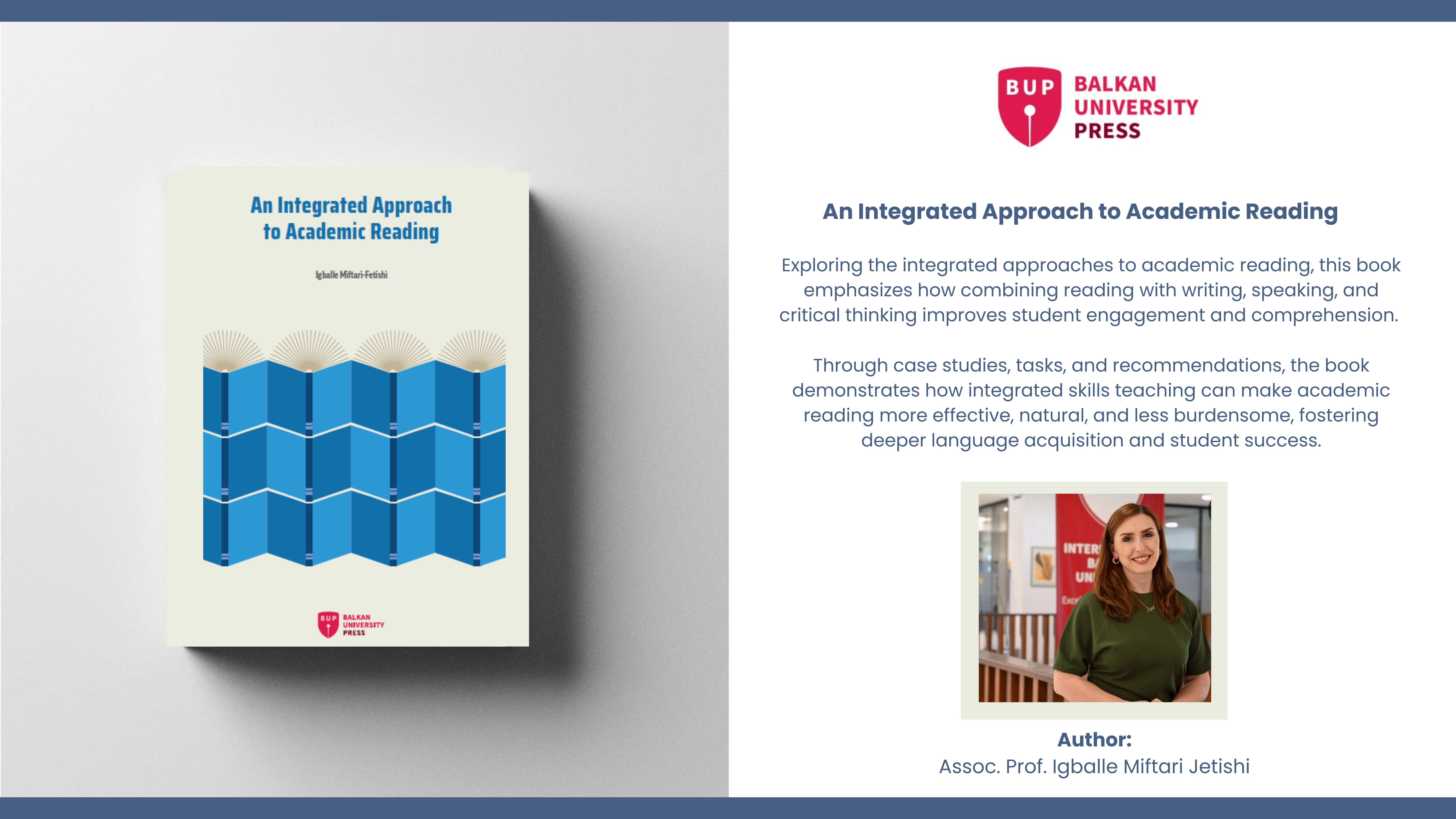
Publication of the book "An Integrated Approach to Academic Reading"
Date: 09.09.2025 -
BUP Interview with Nikola Dacev
Date: 15.09.2025 -
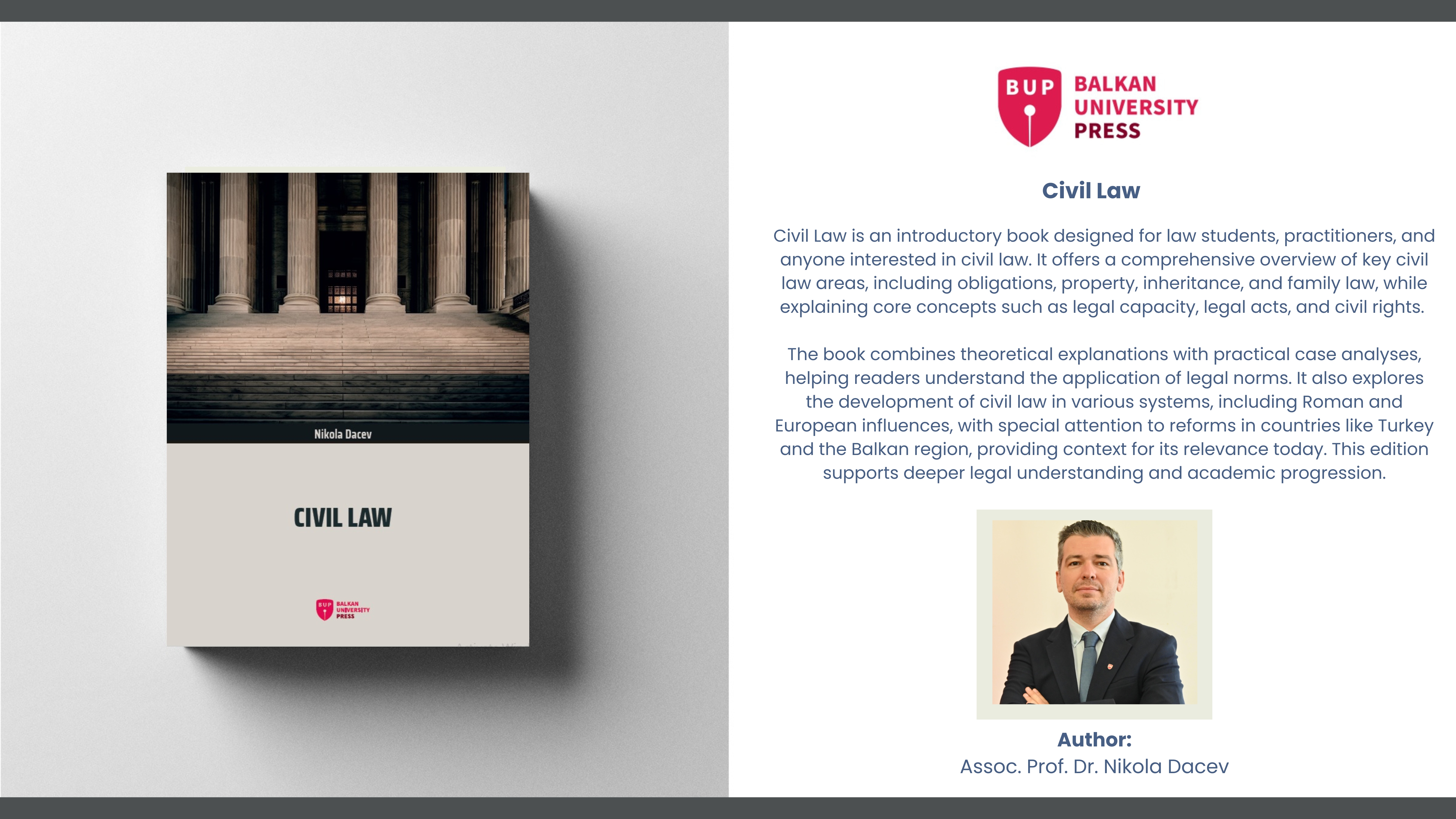
Publication of the book "Civil Law"
Date: 17.09.2025 -

BUP Interview with Ekaterina Namicheva Todorovska
Date: 22.09.2025 -
.png)
-
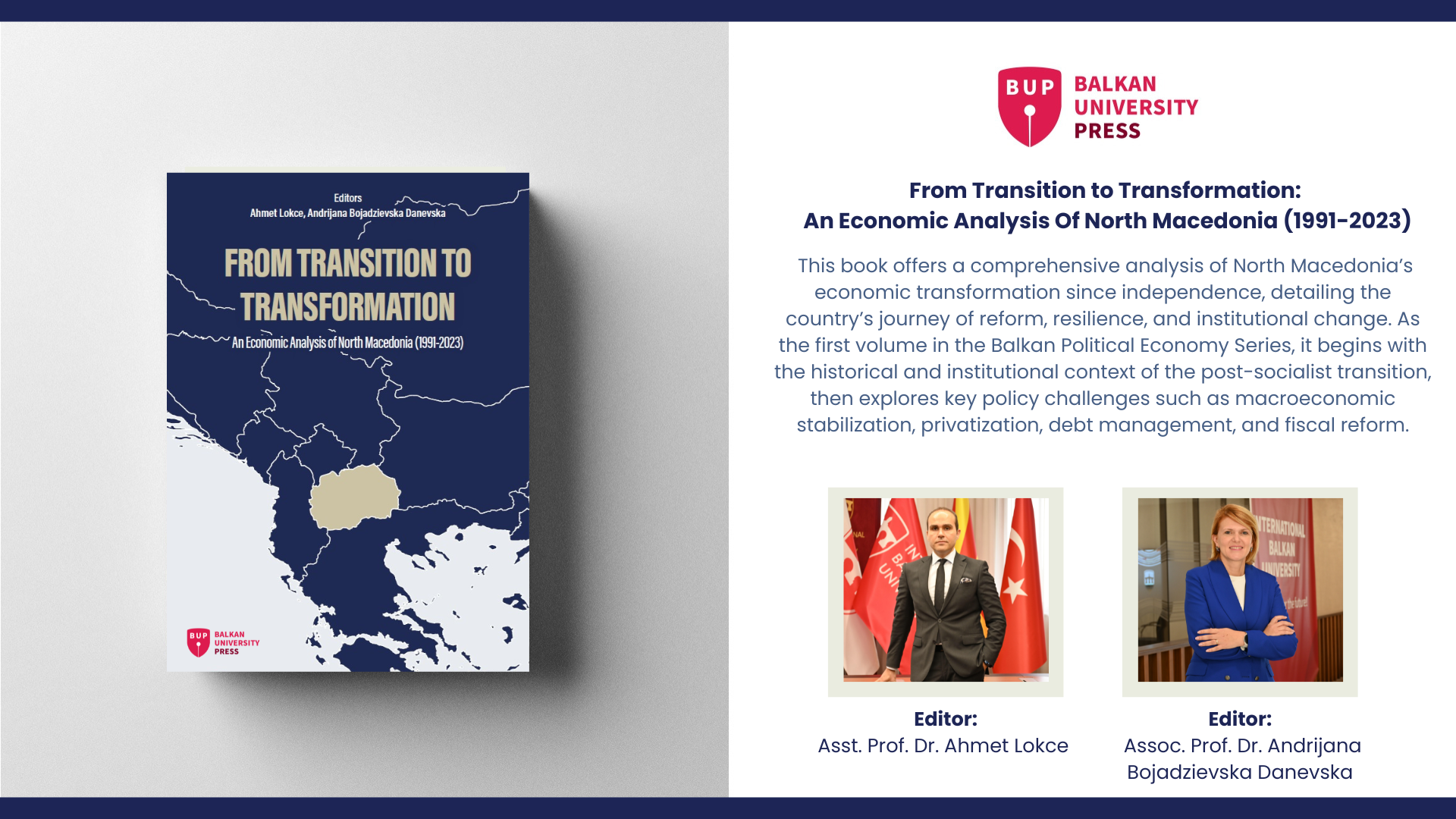
The first book of the Balkan Political Economy Series is published
Date: 07.10.2025 -
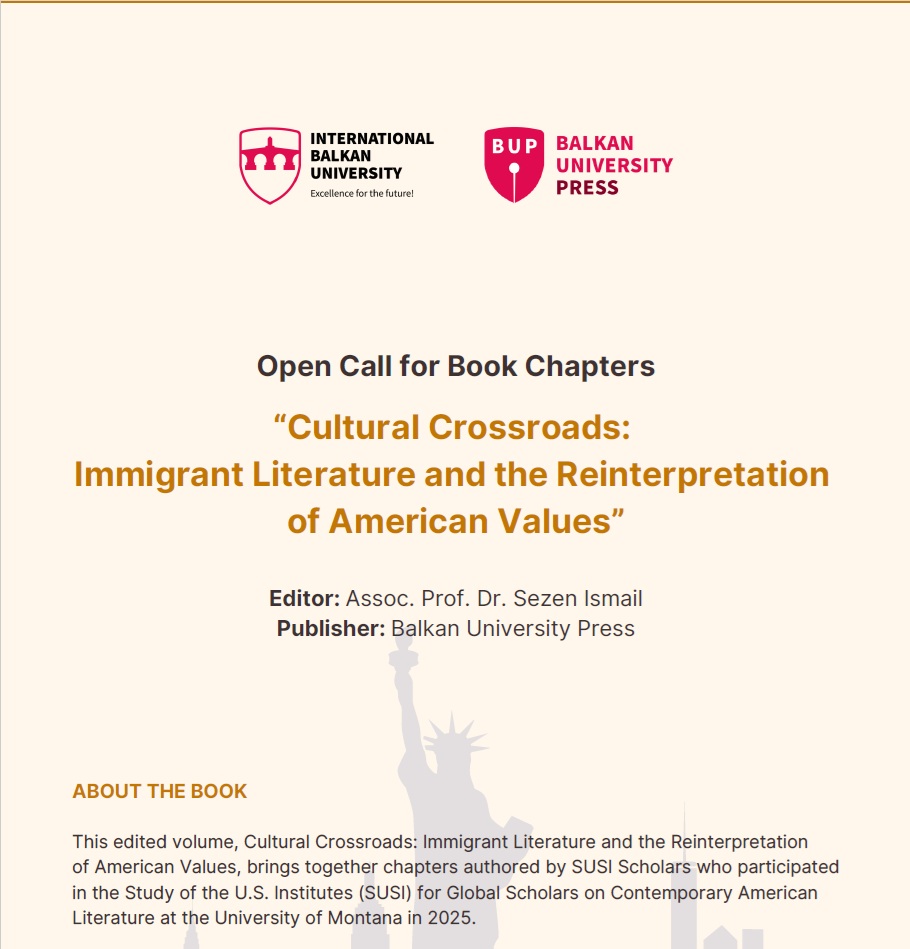
OPEN CALL for Book Chapters
Date: 08.10.2025 -
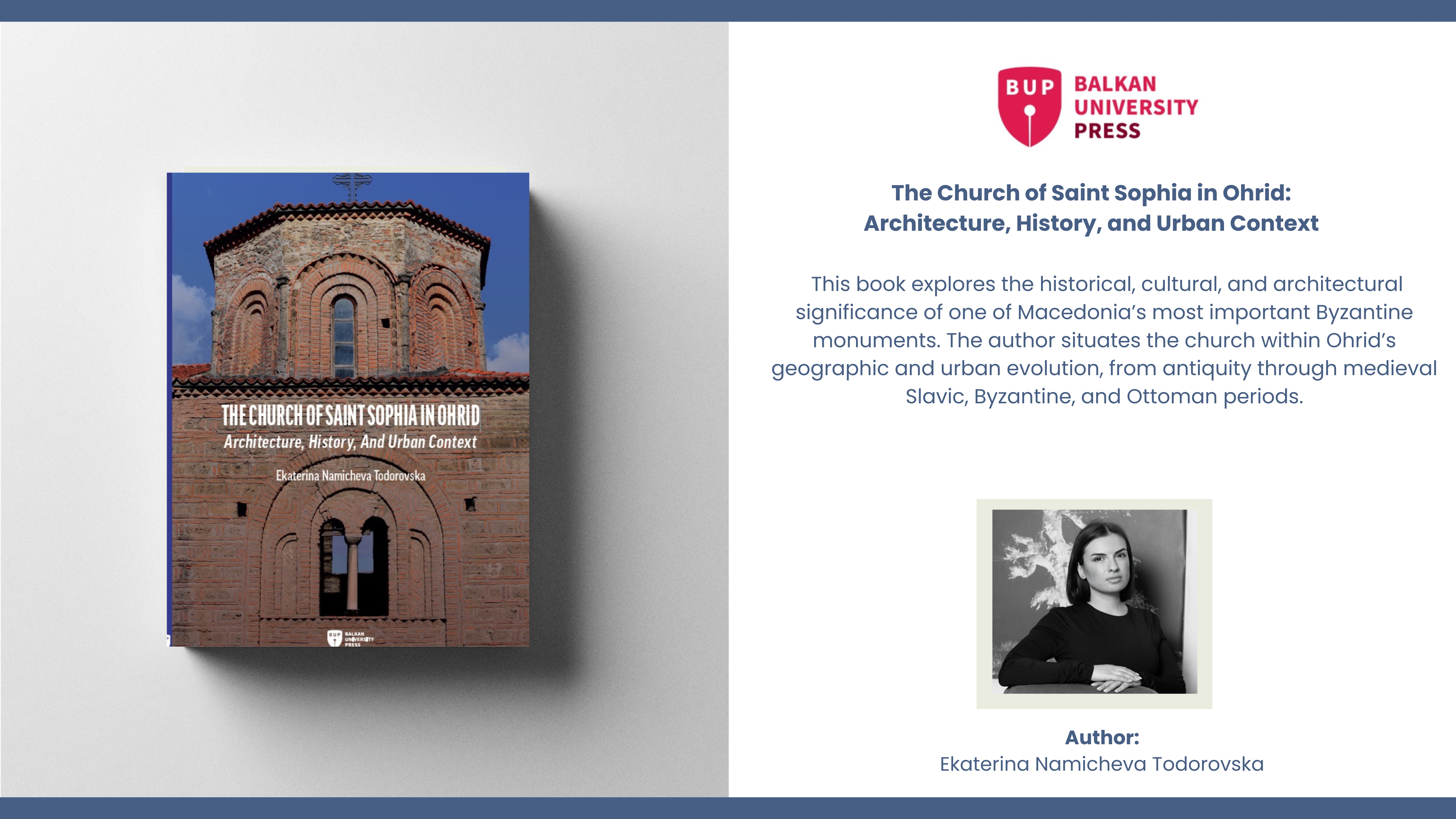
-
.png)
-

BUP Interview with Sumea Ramadani
Date: 24.10.2025 -
.png)
Publication of the book "Two Worlds of Healing" by Sumea Ramadani
Date: 05.11.2025 -
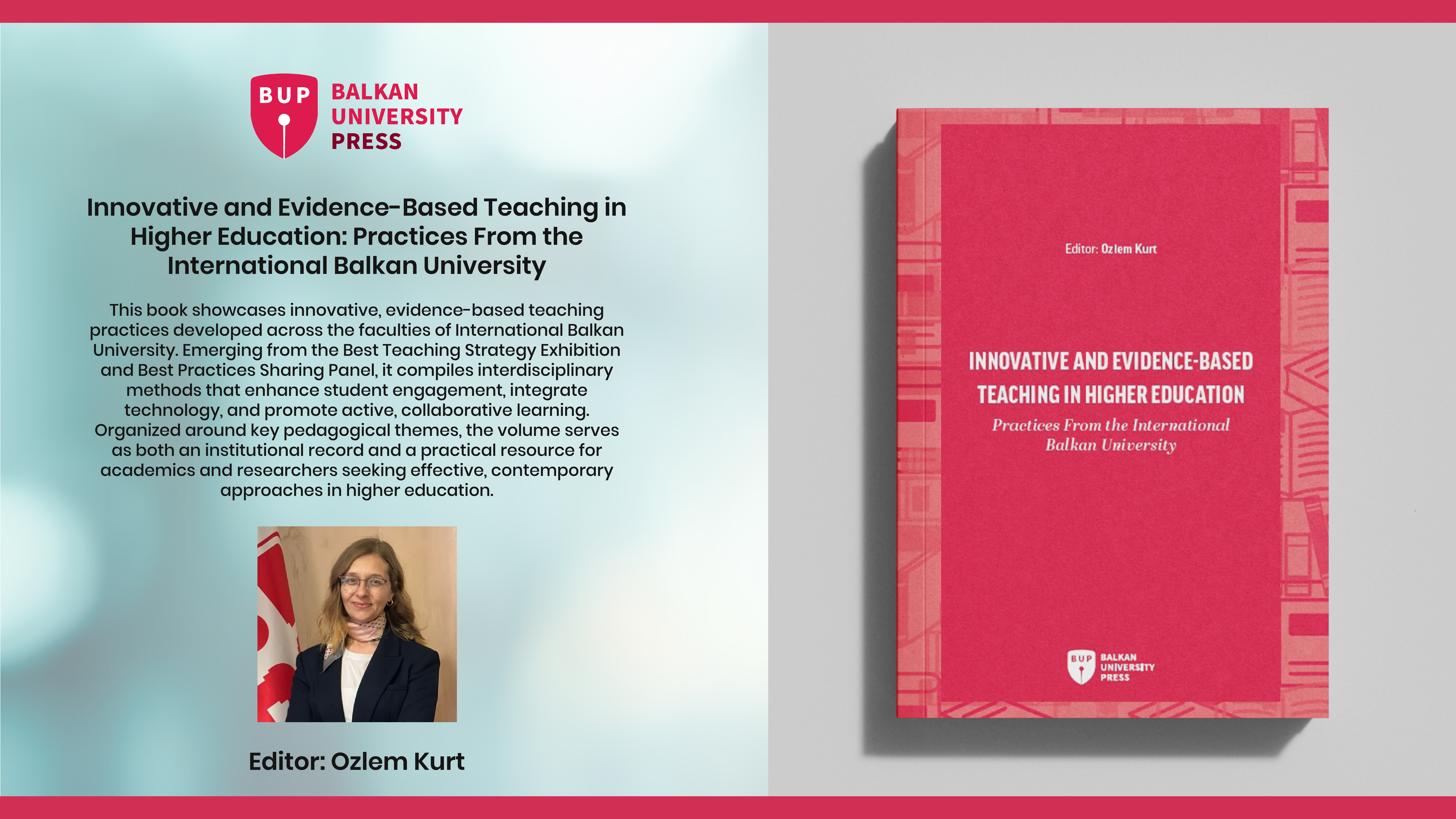
New BUP Publication
Date: 23.12.2025 -
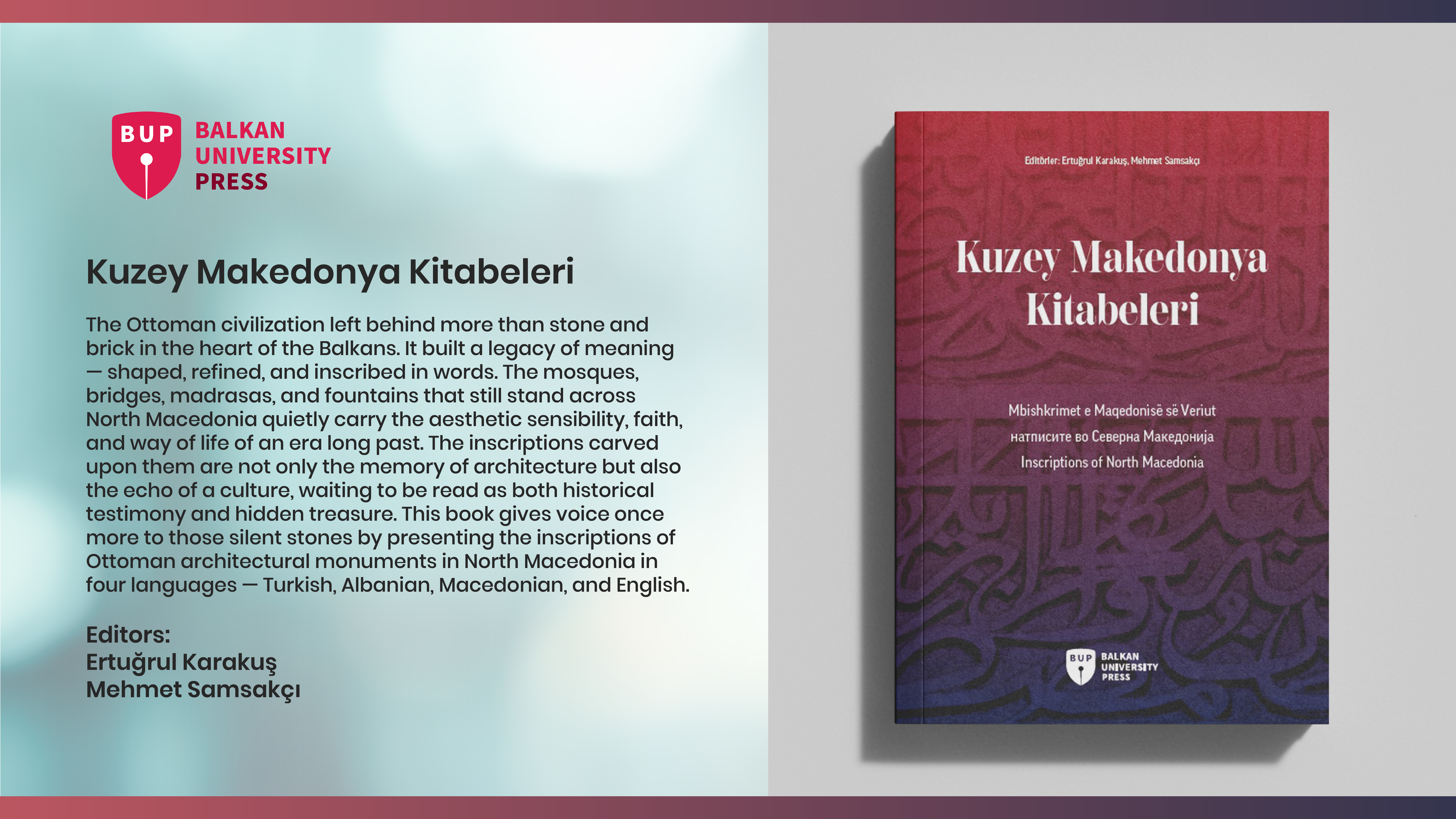
Publication of the book "Kuzey Makedonya Kitabeleri"
Date: 26.12.2025 -

-
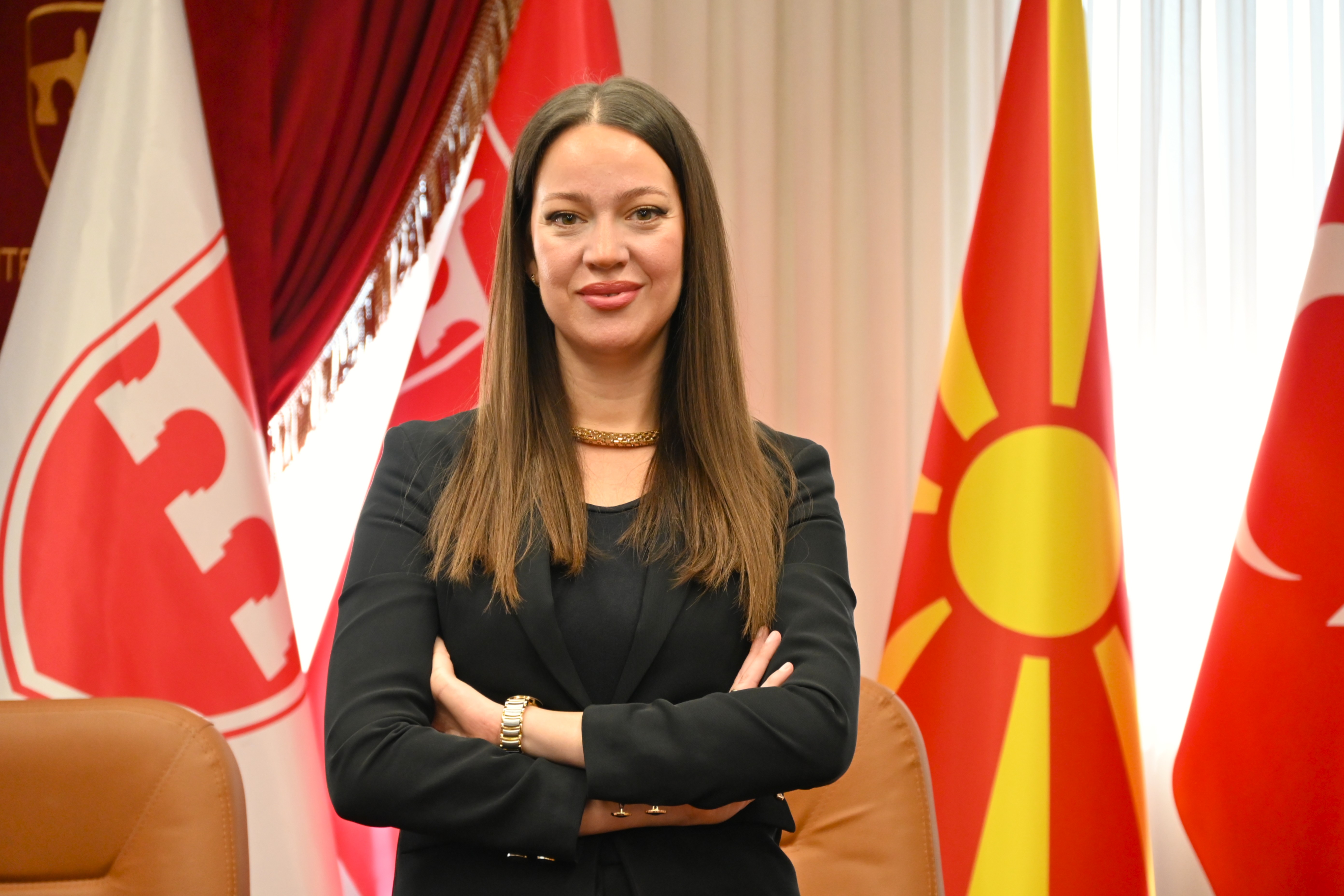
BUP Interview with Prof. Marija Miloshevska Janakieska
Date: 17.03.2026 -
.jpg)
BUP Interview with Marija Spaseska
Date: 27.03.2026 -
-
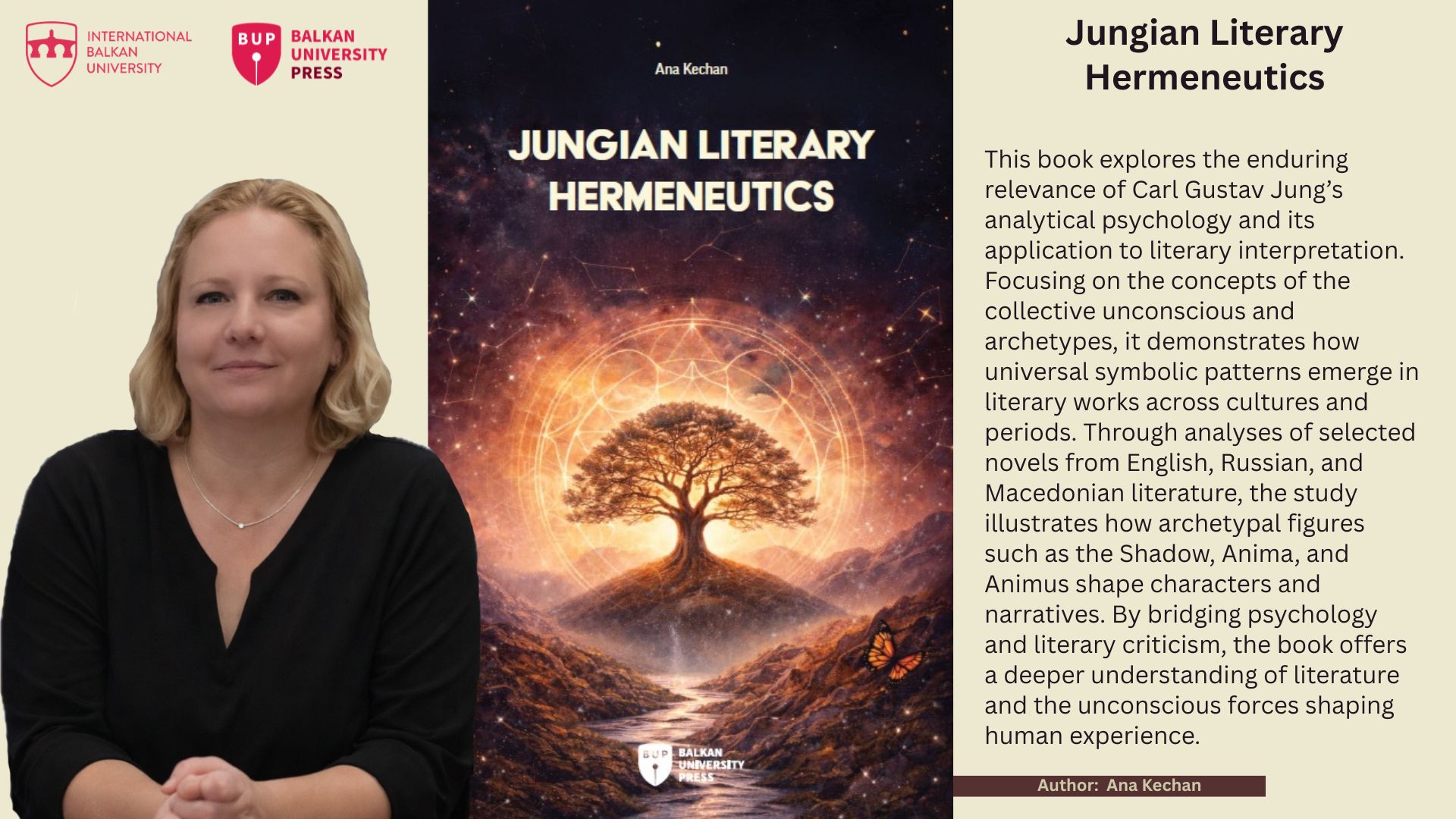
BUP Interview with Ana Kechan
Date: 31.03.2026 -

Publication of the book "Jungian Literary Hermeneutics"
Date: 06.04.2026 -
.jpg)
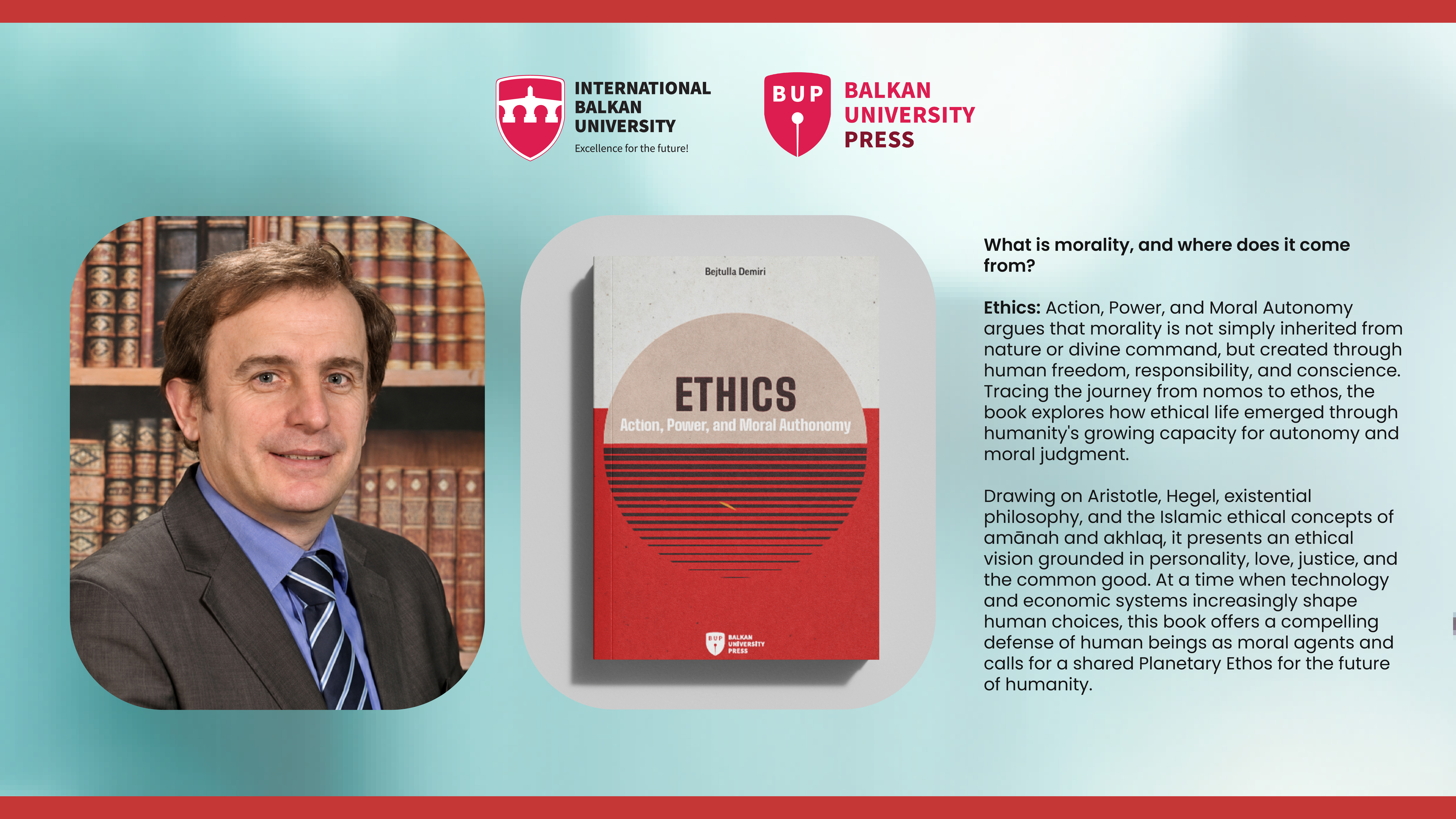
Publication of the book "Ethics: Action, Power, and Moral Autonomy"
Date: 23.07.2026 -
.jpg)
-
-
-