BUP Interview with Prof. Marija Miloshevska Janakieska
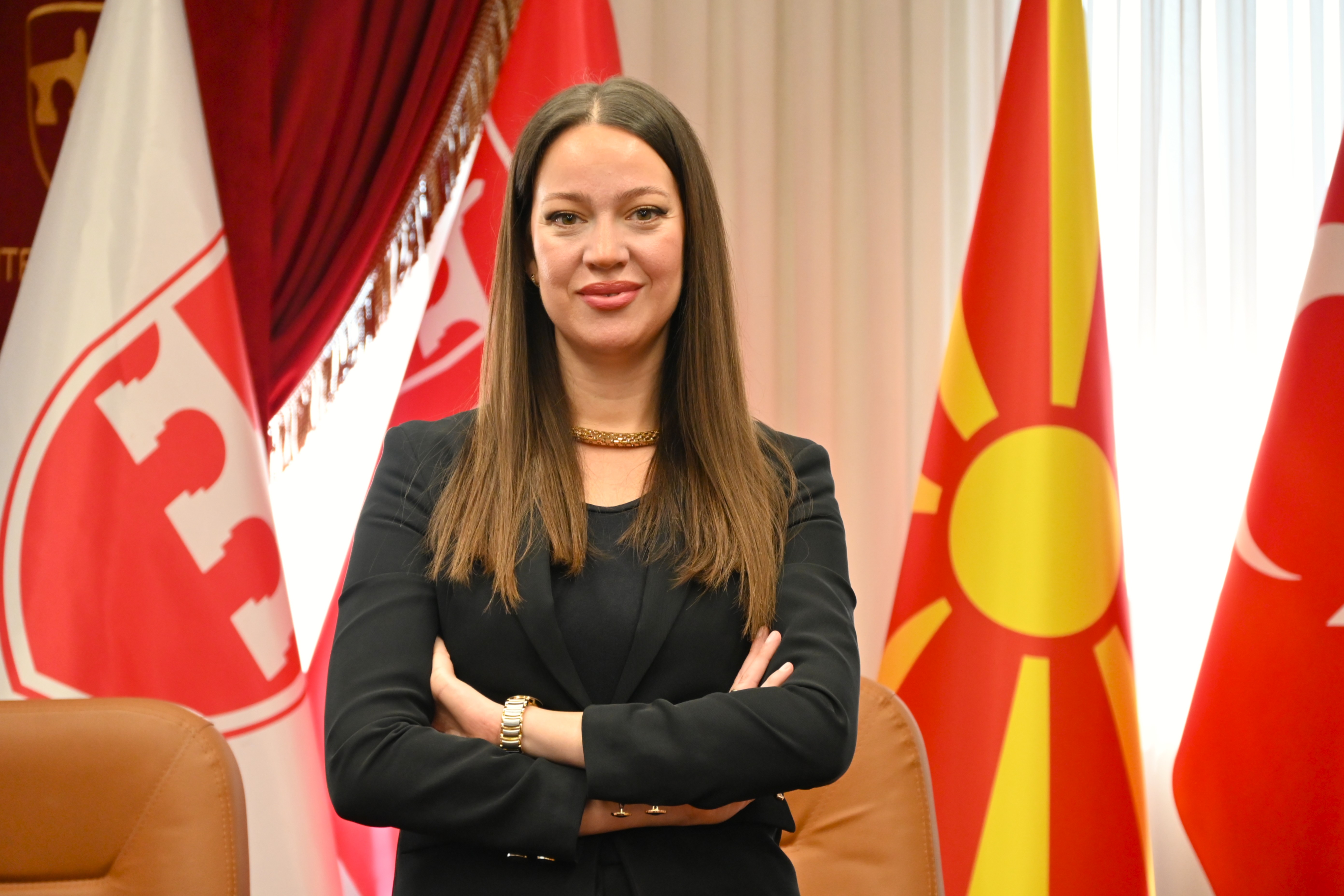
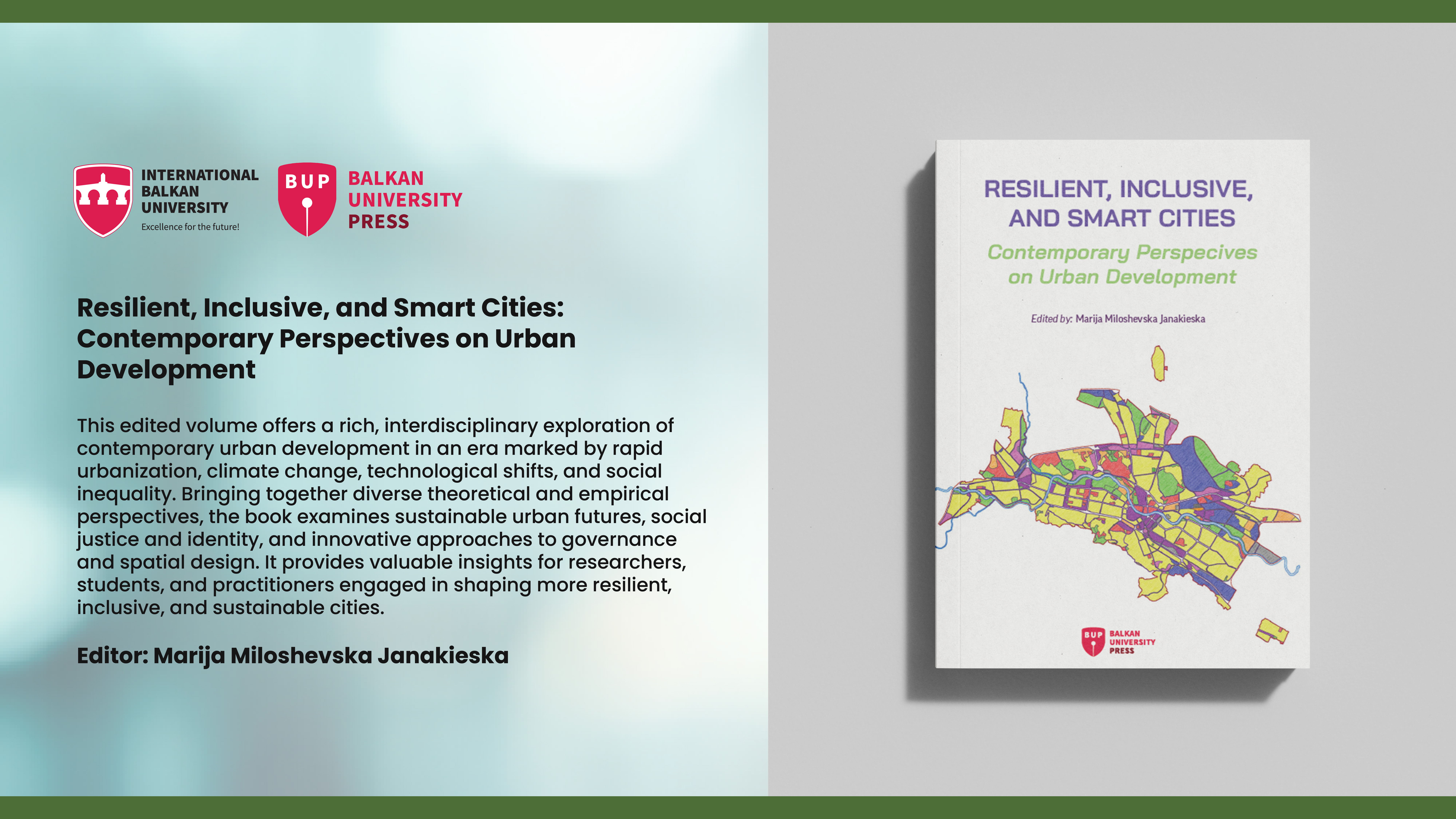
The book "Resilient, Inclusive, and Smart Cities: Contemporary Perspectives on Urban Development" is an edited volume that offers a rich, interdisciplinary exploration of contemporary urban development in an era marked by rapid urbanization, climate change, technological shifts, and social inequality. Bringing together diverse theoretical and empirical perspectives, the book examines sustainable urban futures, social justice and identity, and innovative approaches to governance and spatial design. It provides valuable insights for researchers, students, and practitioners engaged in shaping more resilient, inclusive, and sustainable cities. We are pleased to share below the interview that we did with the book's editor Prof. Marija Miloshevska Janakieska.
BUP: The book brings together many perspectives on urban development. What kind of conversation about cities did you hope this book would start?
MMJ: I hope this book will inspire conversations that go beyond traditional boundaries. Cities are living systems that change constantly and are shaped by different factors. Through the contributions in this book, I hope that readers will be encouraged to think how cities can become more resilient, inclusive and adaptive, not only as a response to crisis but as a conscious choice in urban design all the time. For me, this also means focusing on sustainable practices, preserving architectural heritage and identity of spaces, and thinking of how the public spaces can foster social connection. Ultimately, I hope it will inspire scholars, practitioners, and citizens to imagine cities as collaborative, dynamic, and socially responsible systems. Maybe they can even be inspired to make at least small changes so that cities can develop in that direction.
BUP: The reconstruction of Skopje after the 1963 earthquake is an important reference in the book. What lessons from that experience are still relevant today?
MMJ: The devastating earthquake in 1963, although a tragic event, also teaches us an important and positive lesson. I see this event as a story of solidarity, creativity and vision, where so many countries helped in the reconstruction process. It is a story about a city that had to be rebuilt almost from scratch, because more than 80% of the urban fabric was ruined. At that time, cities were not designed with such extreme events in mind. Buildings were constructed without seriously considering the worst-case scenario. Today, this experience reminds us that being ready and prepared is an essential part of urban planning, and design in general. This doesn’t mean that we are pessimistic and that we are only focused on the bad things. It means that we are focused on cities that are stronger, safer, and able to withstand unexpected challenges. The reconstruction of Skopje demonstrated how careful planning and international collaboration can transform a disaster into an opportunity to rethink how cities function and how they support the people who live in them.
BUP: Cities today face environmental and social pressures at the same time. Which of these challenges do you think cities must address most urgently?
MMJ: Environmental and social challenges are inseparable. Environmental issues are urgent. We need to address climate pressures such as heat waves, flooding, and pollution right away, because they affect everyone. But focusing solely on environmental pressure without social ones may cause bigger problems. The real urgency lies in integrative approaches where sustainability is integrated with social equity creating cities that are environmentally responsible, but also inclusive, accessible, and responsive to the needs of the people. A holistic approach is needed, and a good designer is focused on every single aspect when designing an urban plan.
BUP: Green infrastructure appears as an important theme in the book. What does a truly “green” city look like in practice?
MMJ: We often have misconceptions about green cities. Green city is not just a decoration with trees here and there. A truly green city is alive with nature, integrating parks, river corridors, urban forests, green roofs and facades into the urban fabric, and makes the city function as a natural system. This will regulate the environmental issues mentioned above, such as climate, managing water, and improving air quality. Moreover, green infrastructure is also about people, and means that cities should be accessible, inclusive, inviting, supporting recreation, social connection, and community life. My idea of a green city is a city that blends environmental performance with human experience, respecting the ecology while fostering well-being.
BUP: The book also discusses smart cities and digital participation. How might technology change the way cities are planned and governed?
MMJ: Technology offers incredible opportunities, and it has changed the way cities are planned and governed tremendously. I am advocating for its implementation not just in creating smart cities, but in every segment of life. On the other hand, it can’t be considered as a substitute for meaningful urban planning. Smart systems can help in many segments, such as, for example, monitor environmental conditions, optimize transportation, and improve services. By using digital tools citizens can be empowered to be more involved in the decision-making process. Technology should be used only as a tool for supporting the urban planning process but not replace human judgment. A truly smart city is the one that implements the technology to strengthen the voices of the residents for a resilient, adaptive and sustainable urban environment.
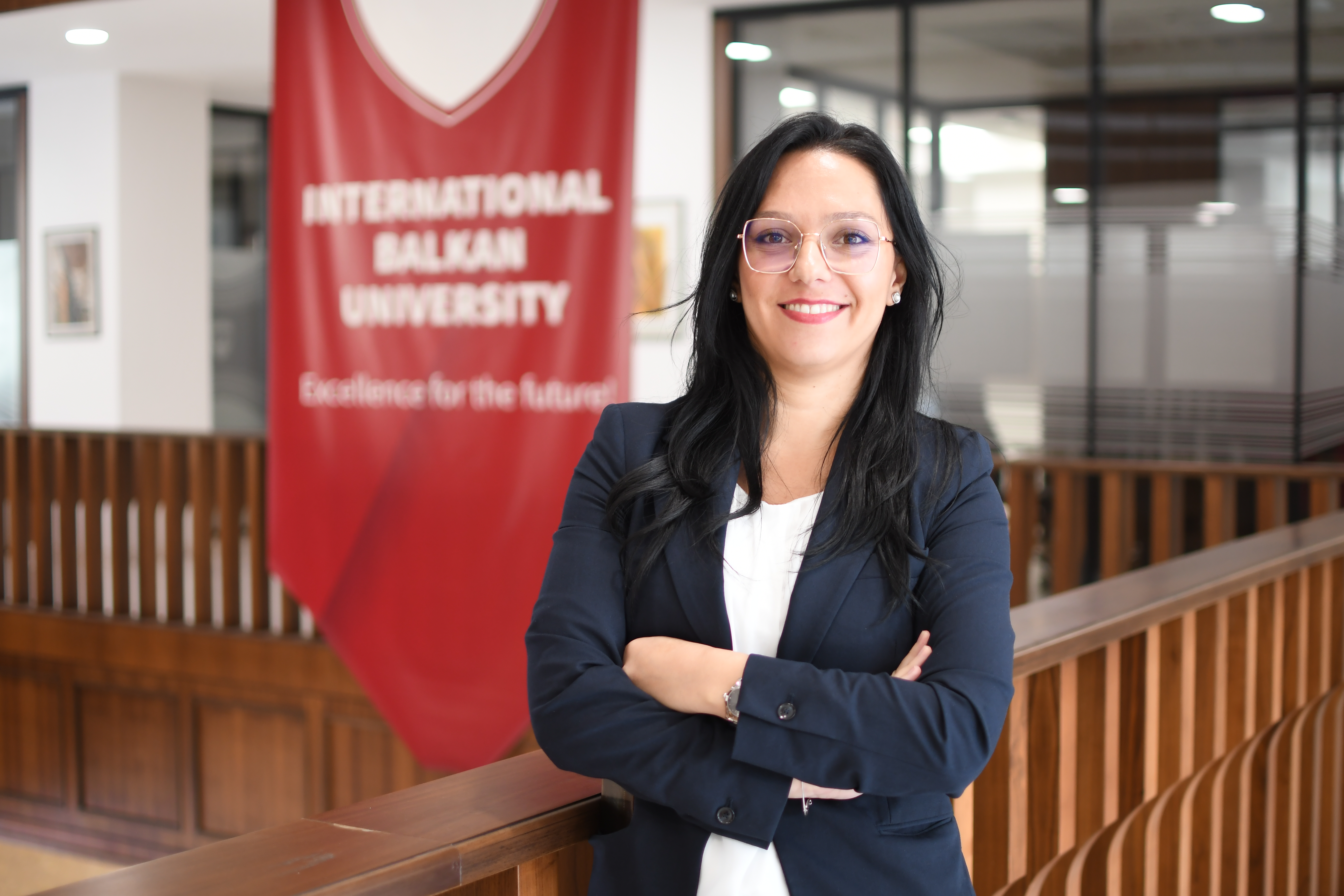
Marija Miloshevska Janakieska is a professor at the Department of Architecture, at International Balkan University in Skopje. Her research and teaching interests are focused on architectural structures, facade design and construction, building materials, with a particular focus on wood and glass, sustainability, energy efficiency and biophilic design. She has extensive practical experience, especially in the area of designing residential and administrative buildings.
Latest News
-
Opened call for the new issue of TEFMJ
Date: 10.02.2024 -
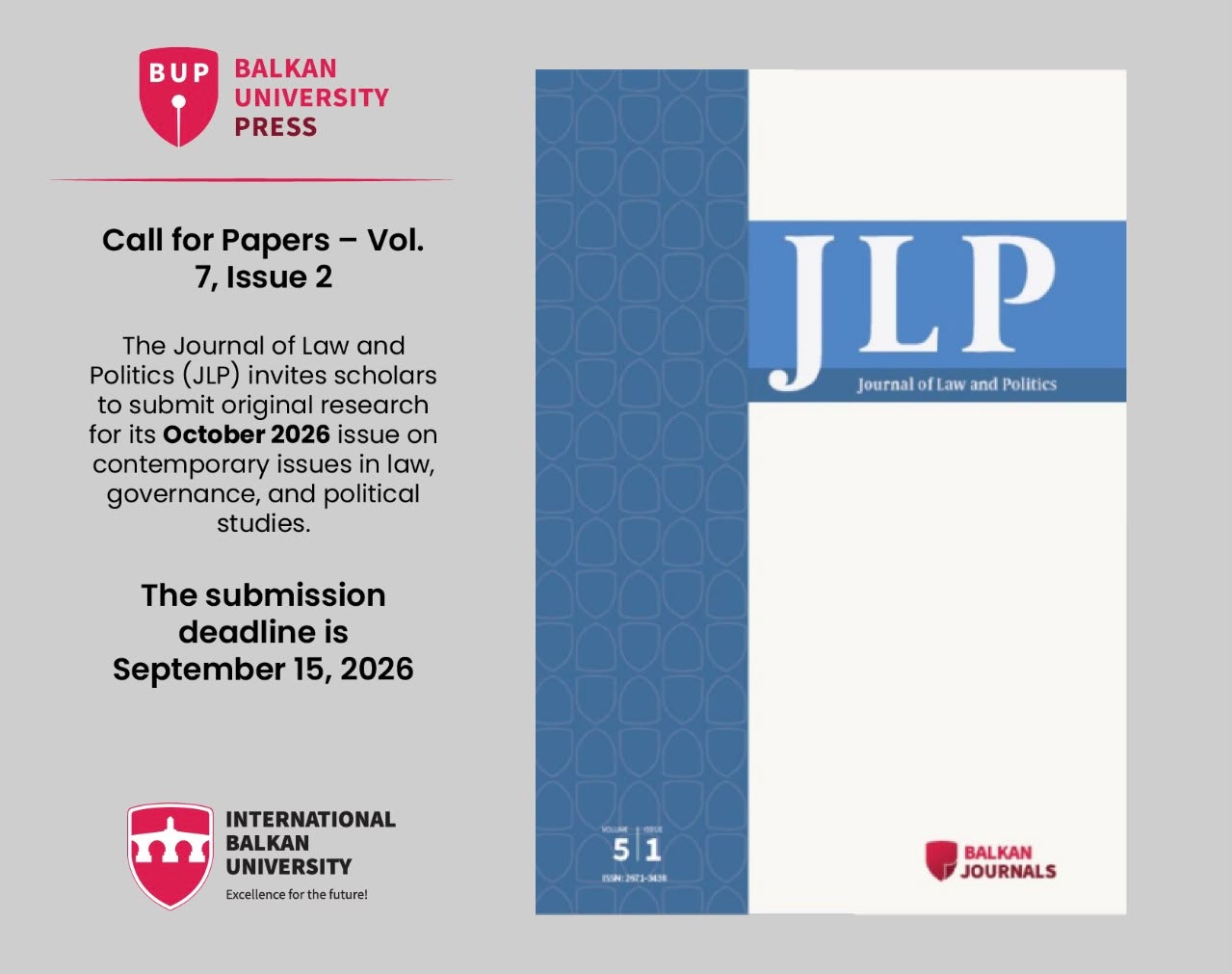
The Journal of Law and Politics welcomes your papers
Date: 10.02.2024 -
-
.png)
Call for Papers for an Edited Volume
Date: 27.05.2024 -

Open Call for Chapter Proposals
Date: 27.05.2024 -

The new issue of Journal of Law and Politics is here!
Date: 01.05.2024 -

TEFMJ June issue is published
Date: 01.07.2024 -

IJEP's Vol. 5, Issue 1 is now available!
Date: 02.07.2024 -

Vol. 4, Issue 1 - IJTNS
Date: 01.07.2024 -

The first IJAD volume is online!
Date: 02.07.2024 -

Balkan University Press Launches the Journal of Balkan Architecture
Date: 15.07.2024 -

-

Balkan Political Economy Series welcomes your proposals
Date: 18.07.2024 -

BUP Interview with Prof. Marija Miloshevska Janakieska
Date: 18.07.2024 -
BUP Interview with Asst. Prof. Dr. Ahmet Lökçe
Date: 24.07.2024 -
-
Prof. Xhaferi's blog for BUP
Date: 28.08.2024 -
-
-

IJEP is now indexed in the Copernicus Journals Master List
Date: 23.09.2024 -
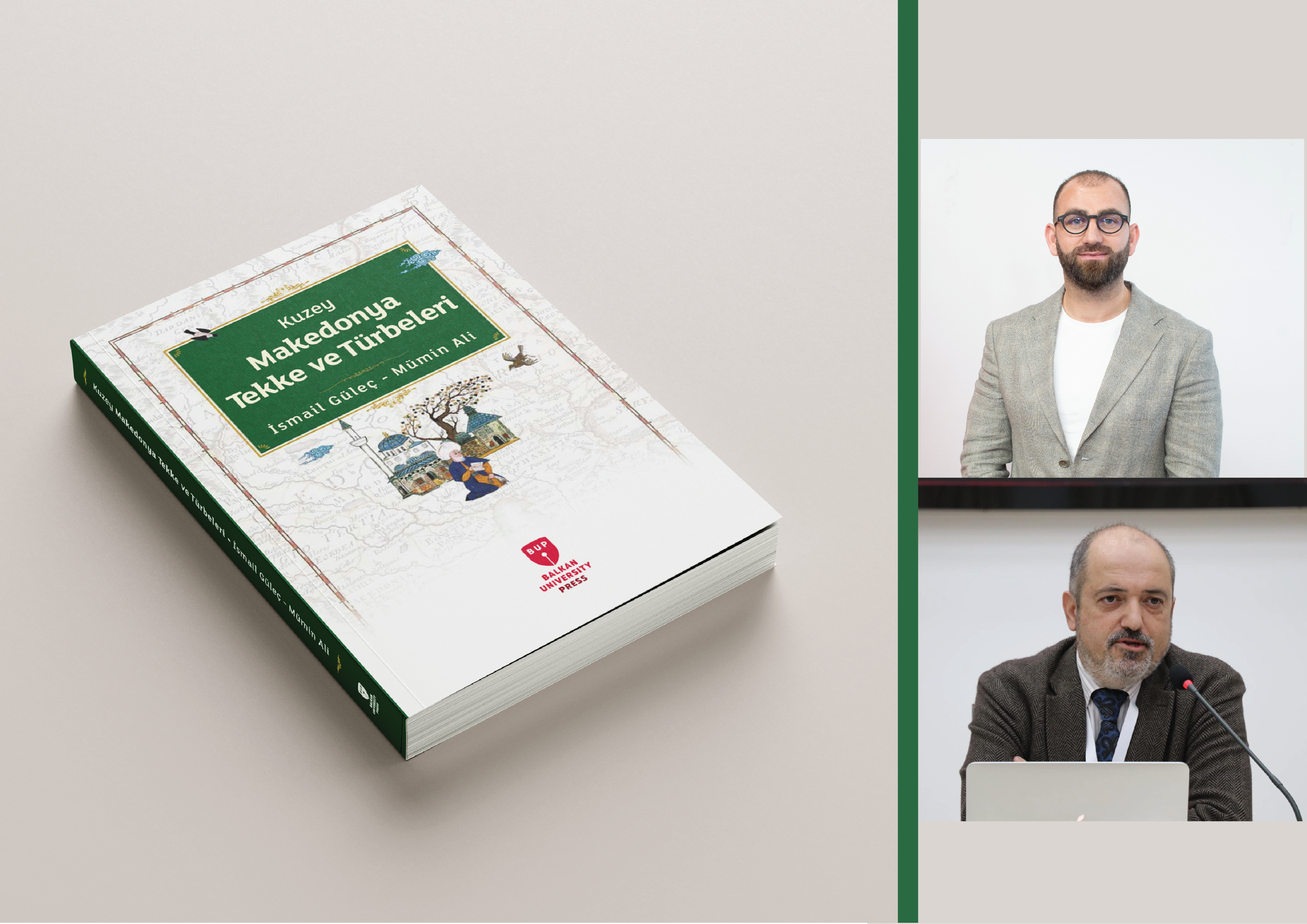
BUP INTERVIEW WITH PROF. ISMAIL GÜLEÇ AND ASST. PROF. MÜMIN ALI
Date: 26.09.2024 -
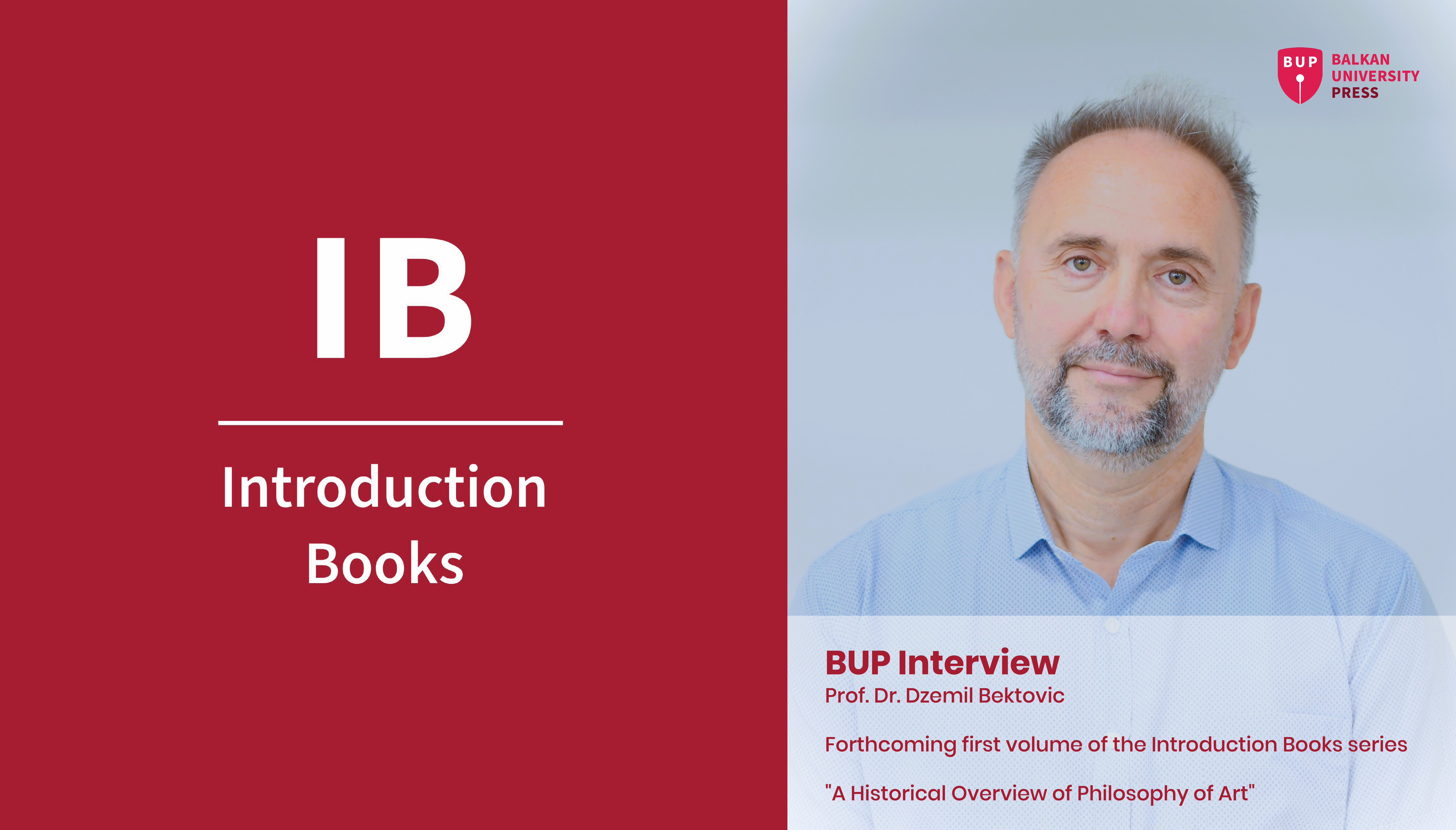
BUP Interview with Prof. Dzemil Bektovic
Date: 04.10.2024 -
-
BUP Interview with Prof. Shener Bilalli
Date: 30.10.2024 -
BUP Academic Blog with Prof. Tamás Szemlér
Date: 08.11.2024 -
Book Review for "Museums as Generators of Identity in Skopje"
Date: 20.11.2024 -
BUP Interview with Arbresha Ibrahimi
Date: 25.11.2024 -

The first volume of Balkan Research Journal is here
Date: 02.12.2024 -
Volume 5, Issue 2 of the Journal of Law and Politics is published
Date: 31.10.2024 -

The inaugural issue of Journal of Balkan Architecture is published
Date: 29.11.2024 -
BUP Launch Event
Date: 10.12.2024 -
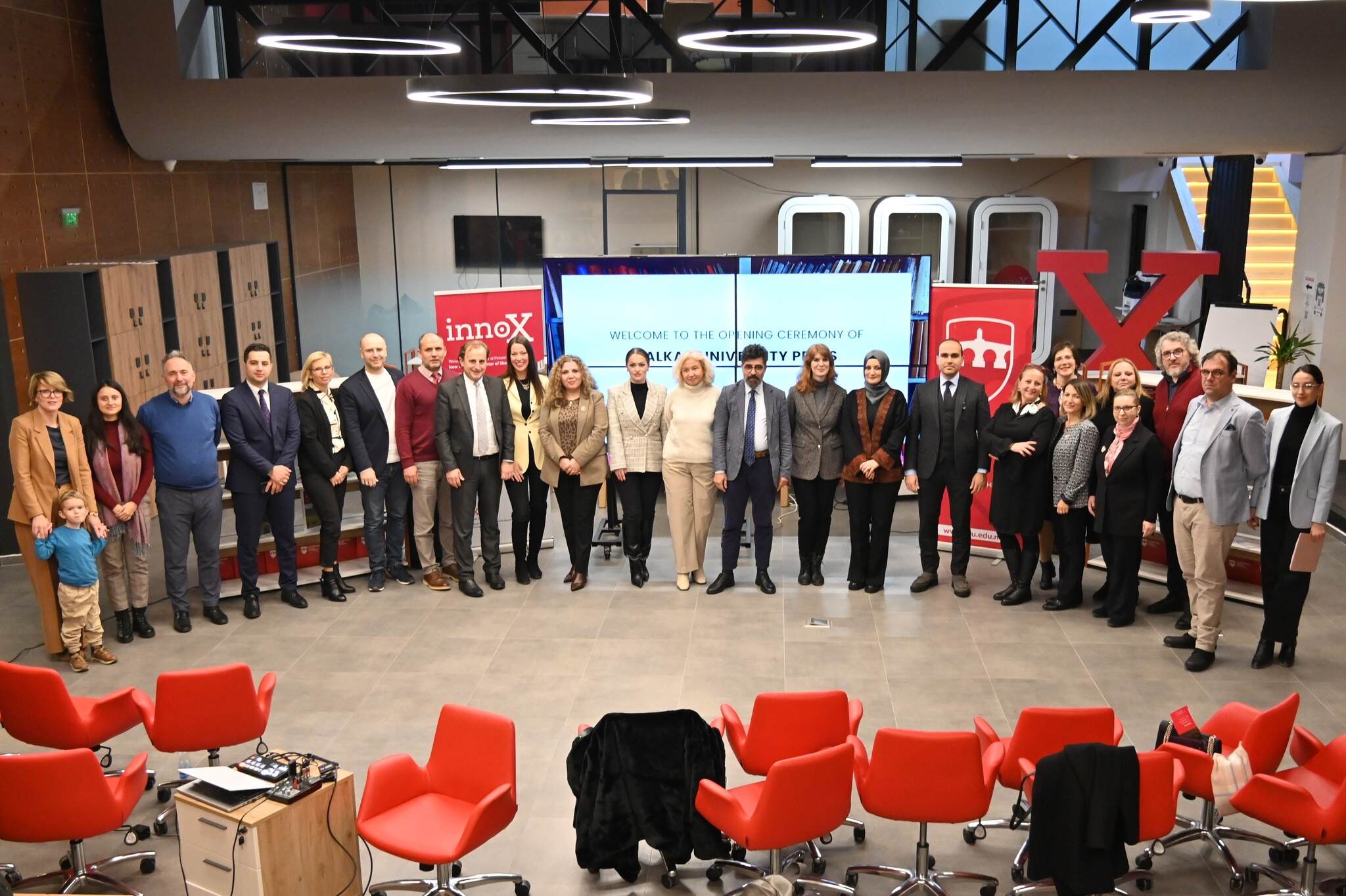
Grand Launch of Balkan University Press
Date: 12.12.2024 -

BALKAN UNIVERSITY PRESS
Date: 09.01.2025 -
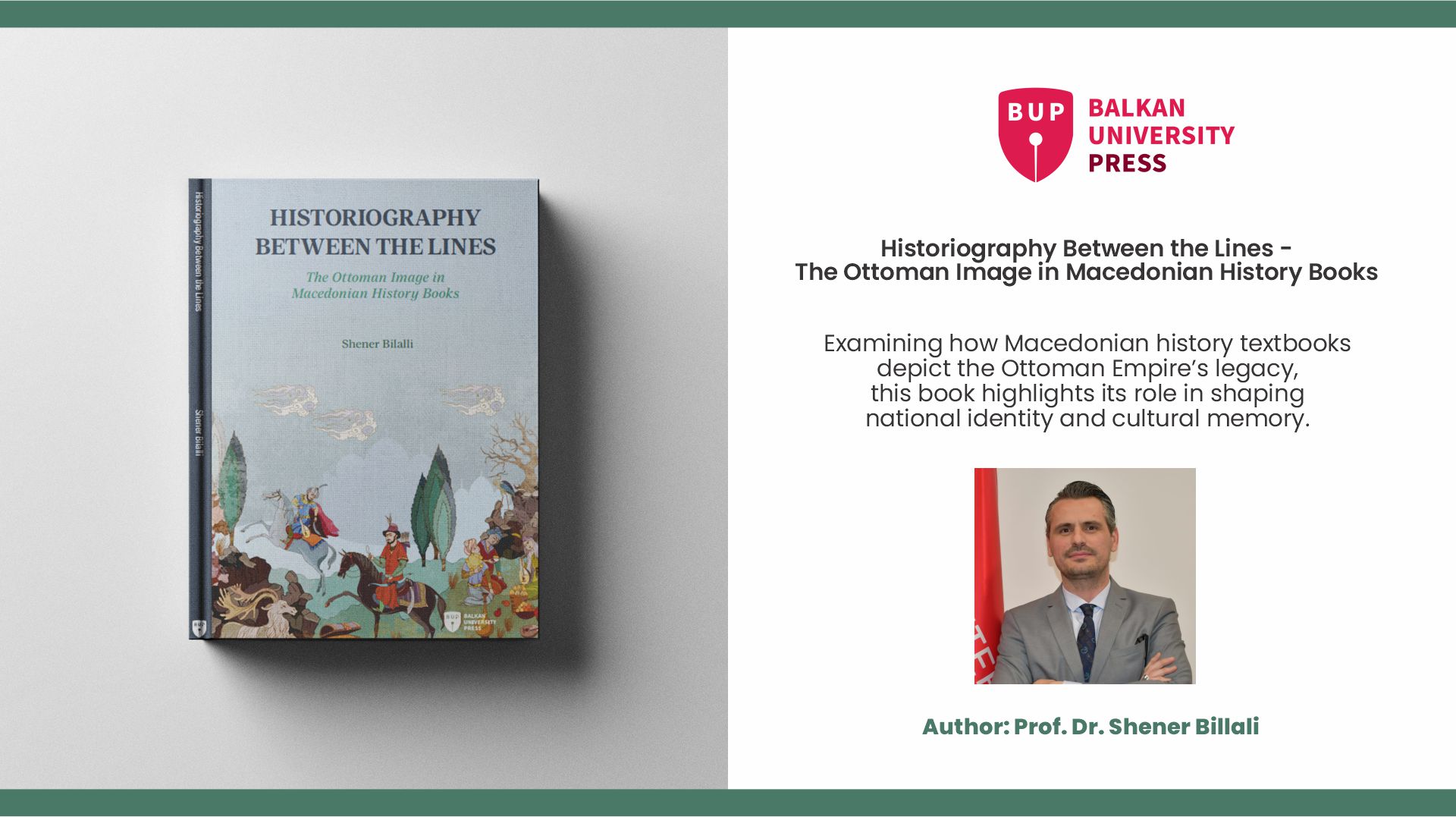
Publication of a book
Date: 30.12.2024 -
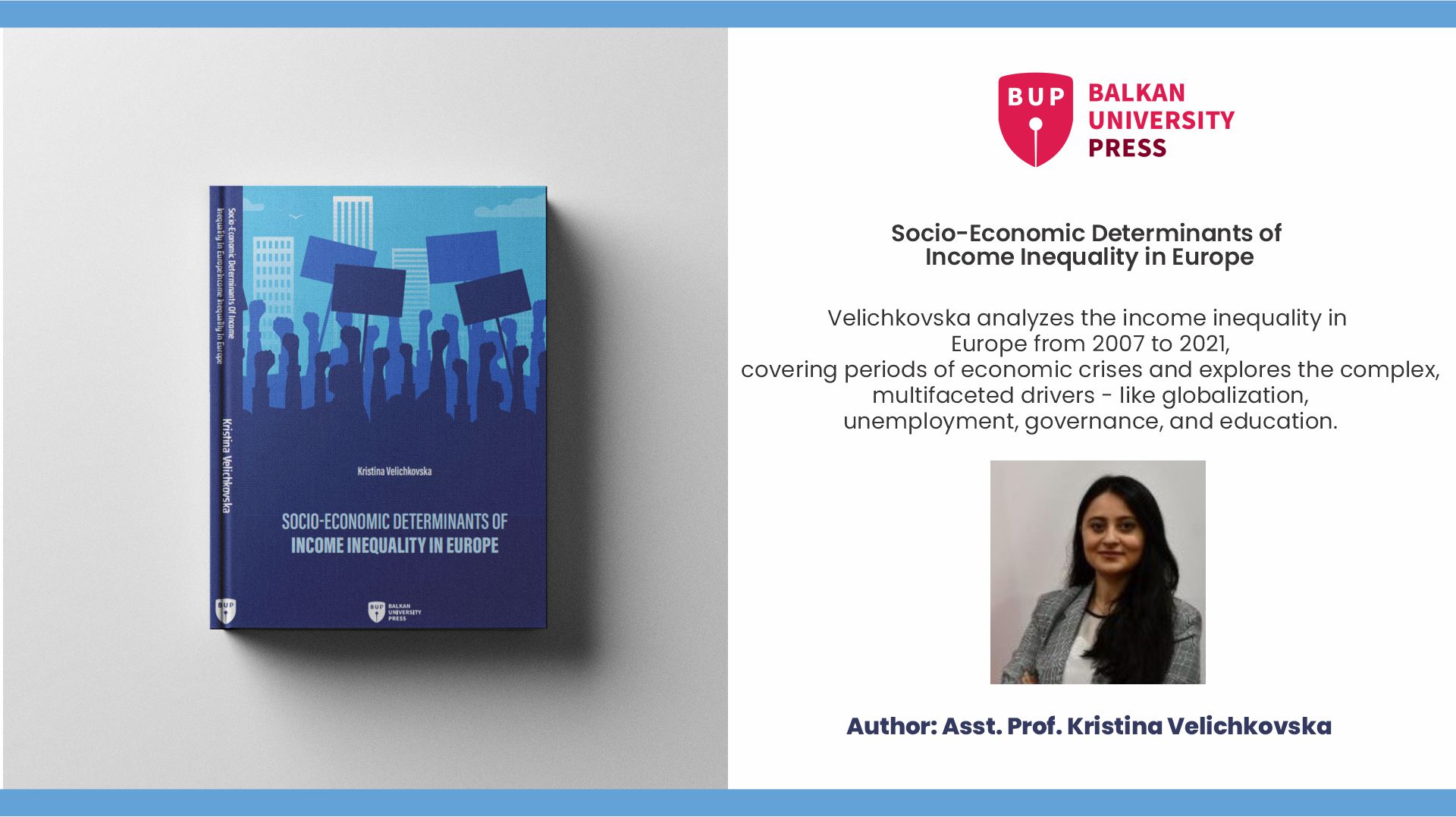
Publication of a book
Date: 24.12.2024 -
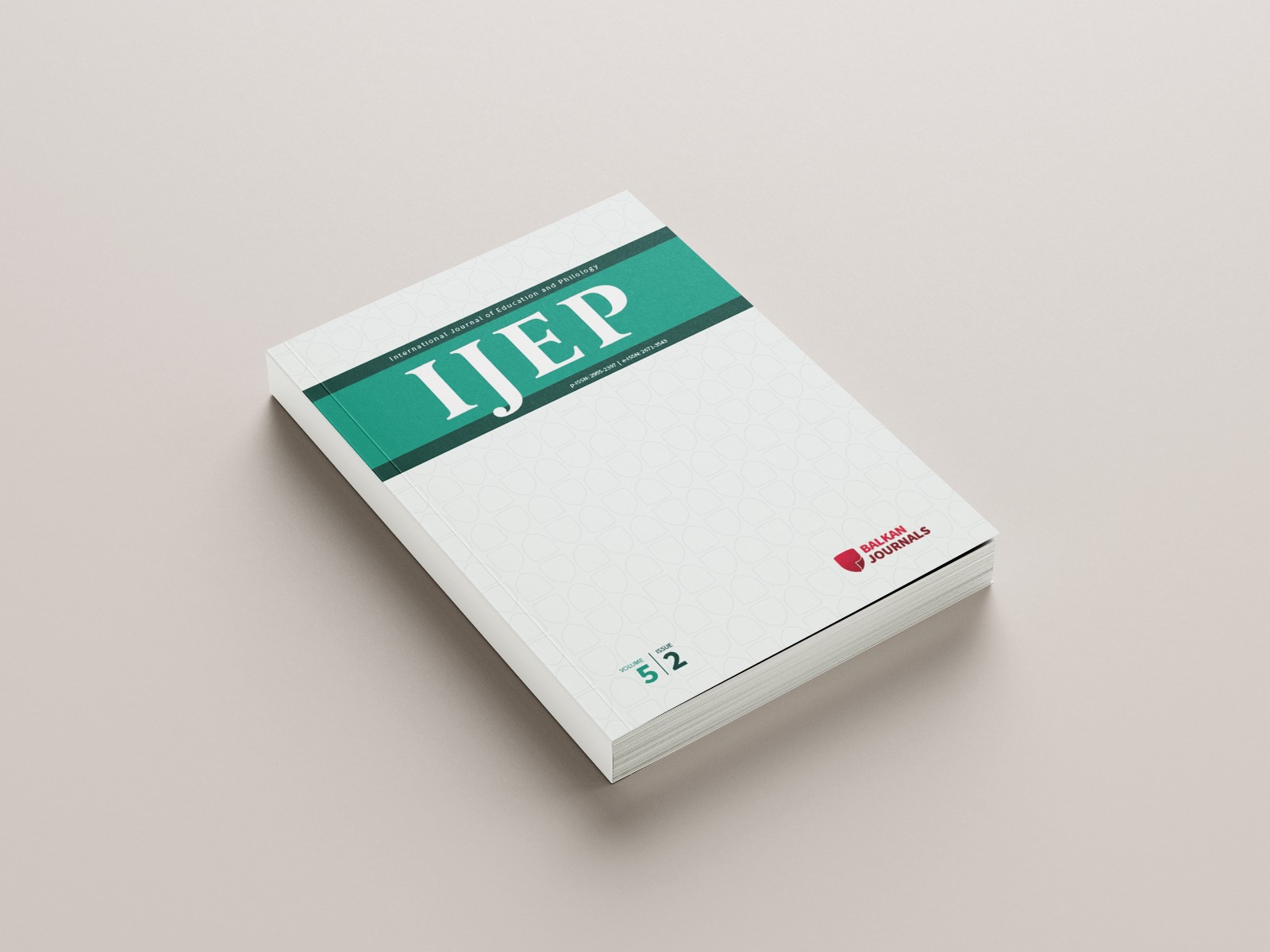
The December Issue of IJEP is published
Date: 31.12.2024 -

The December Issue of TEFMJ is published
Date: 16.01.2025 -
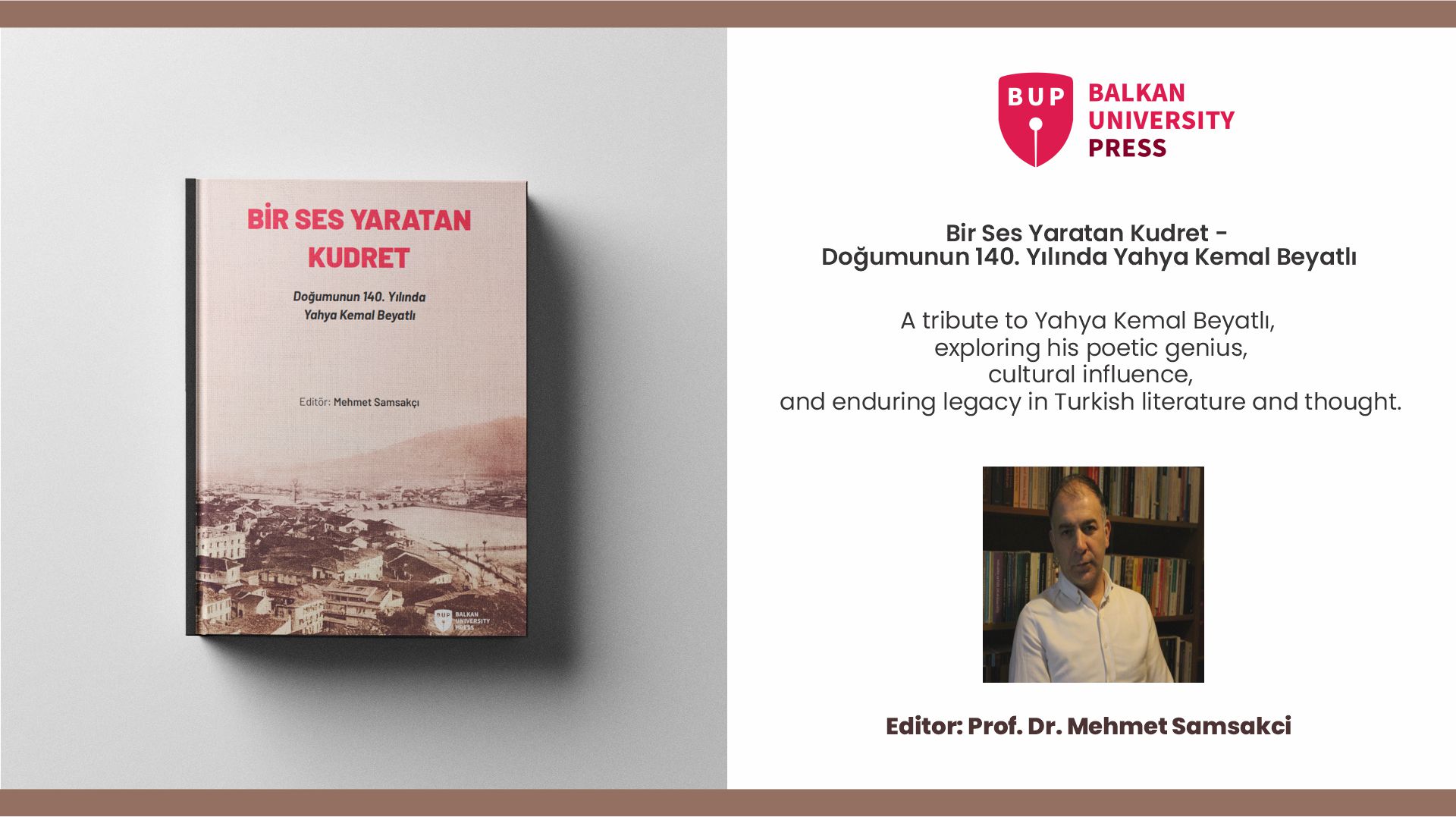
-
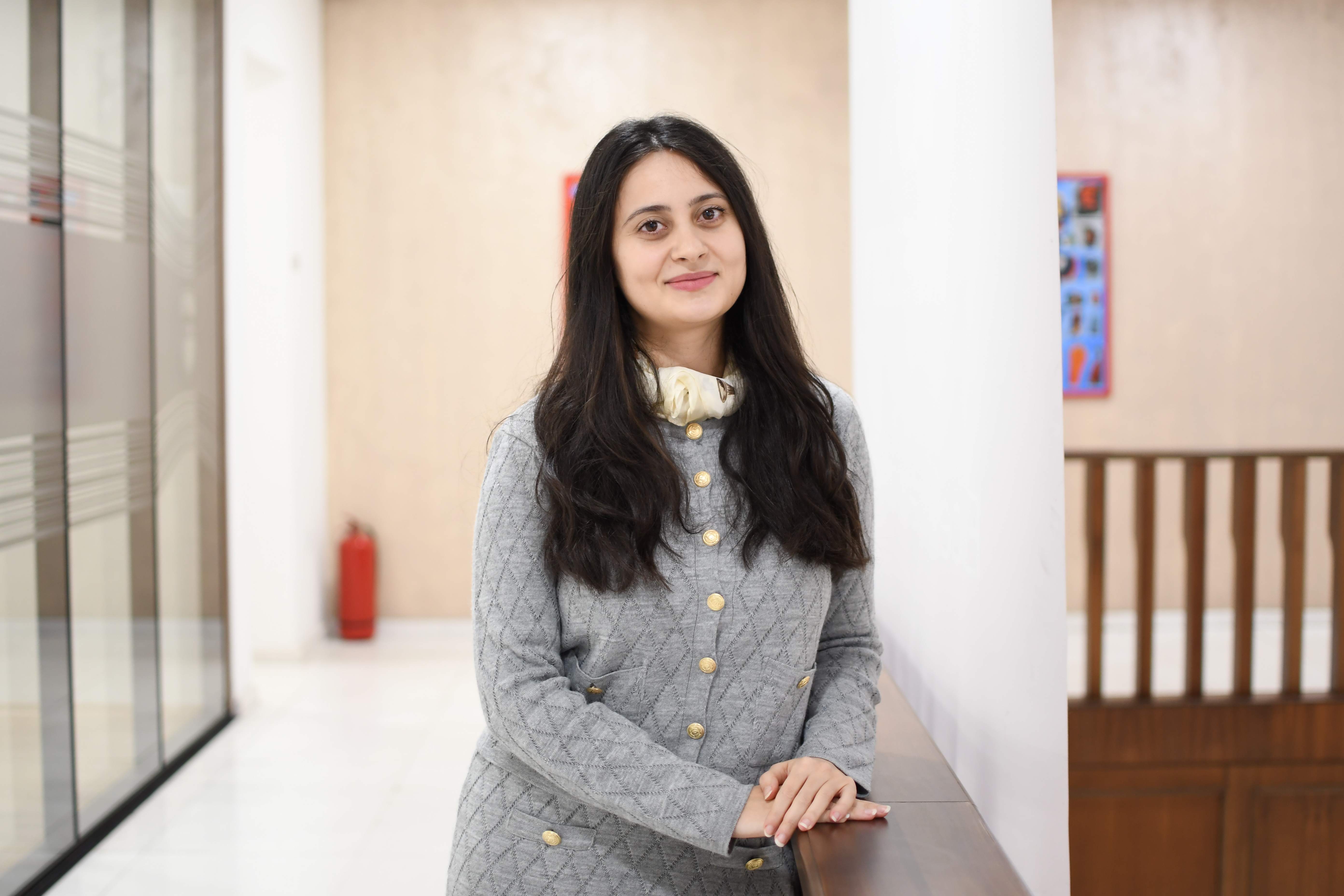
BUP Interview with Asst. Prof. Kristina Velichkovska
Date: 29.01.2025 -
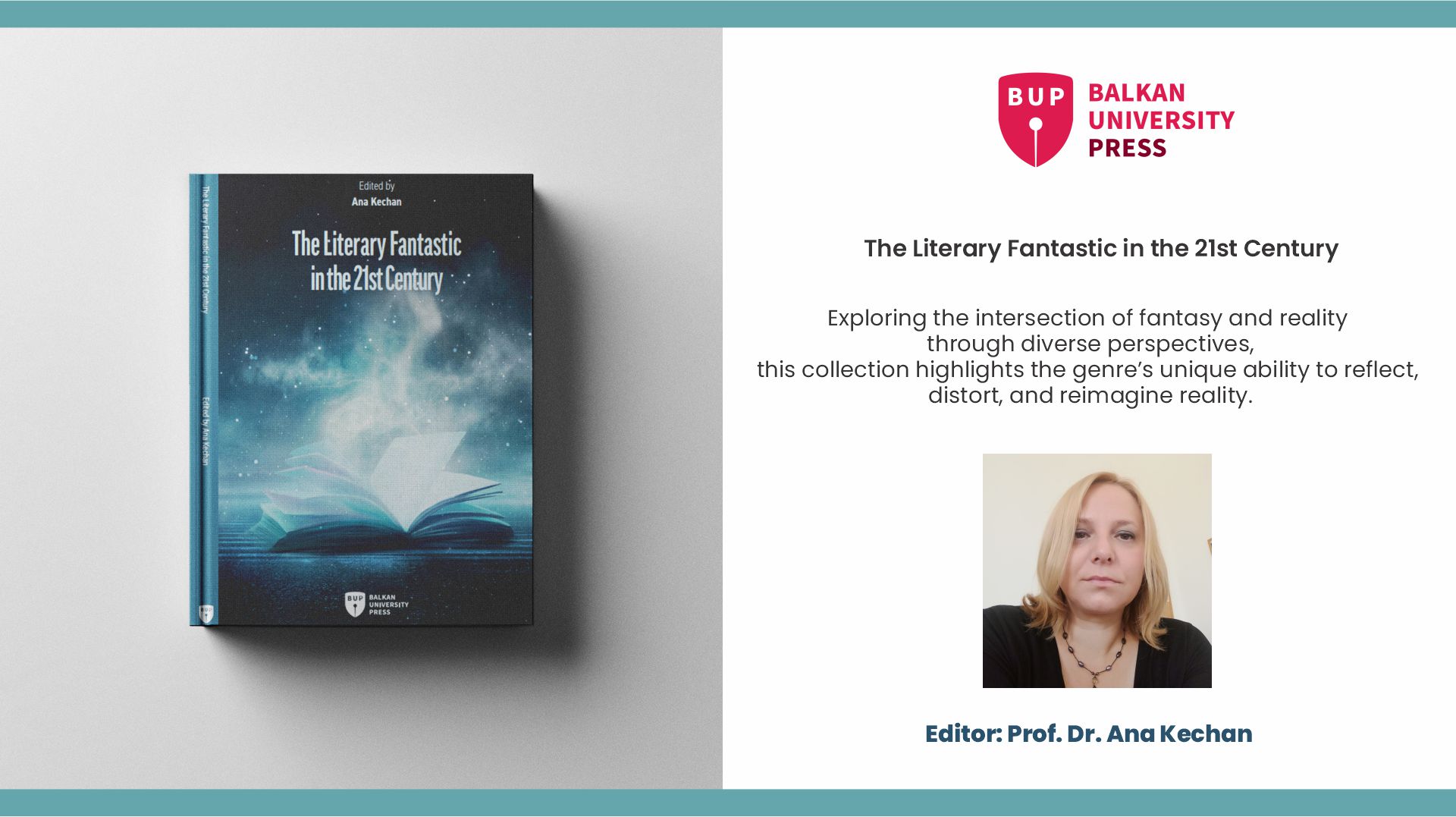
-
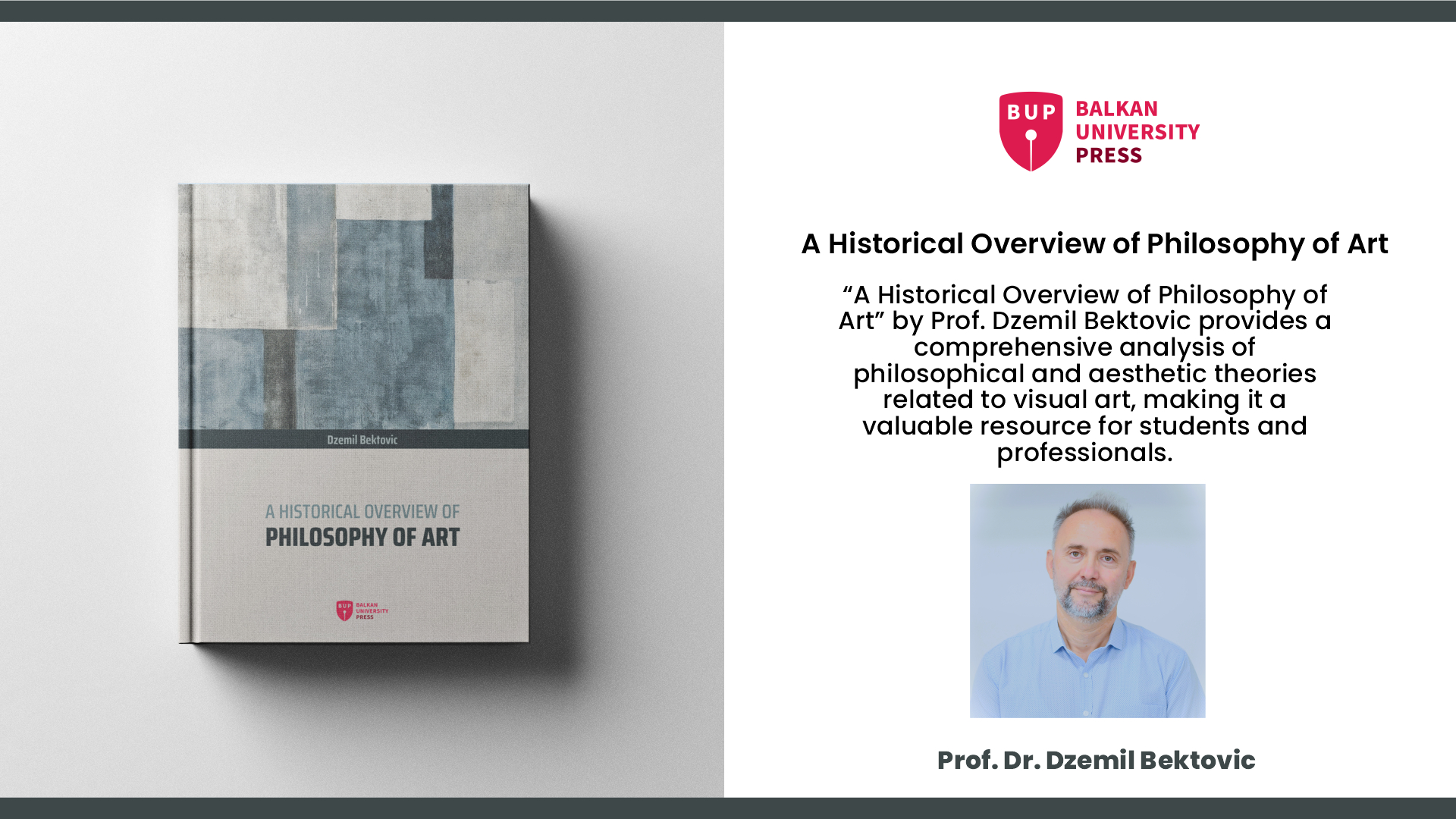
-
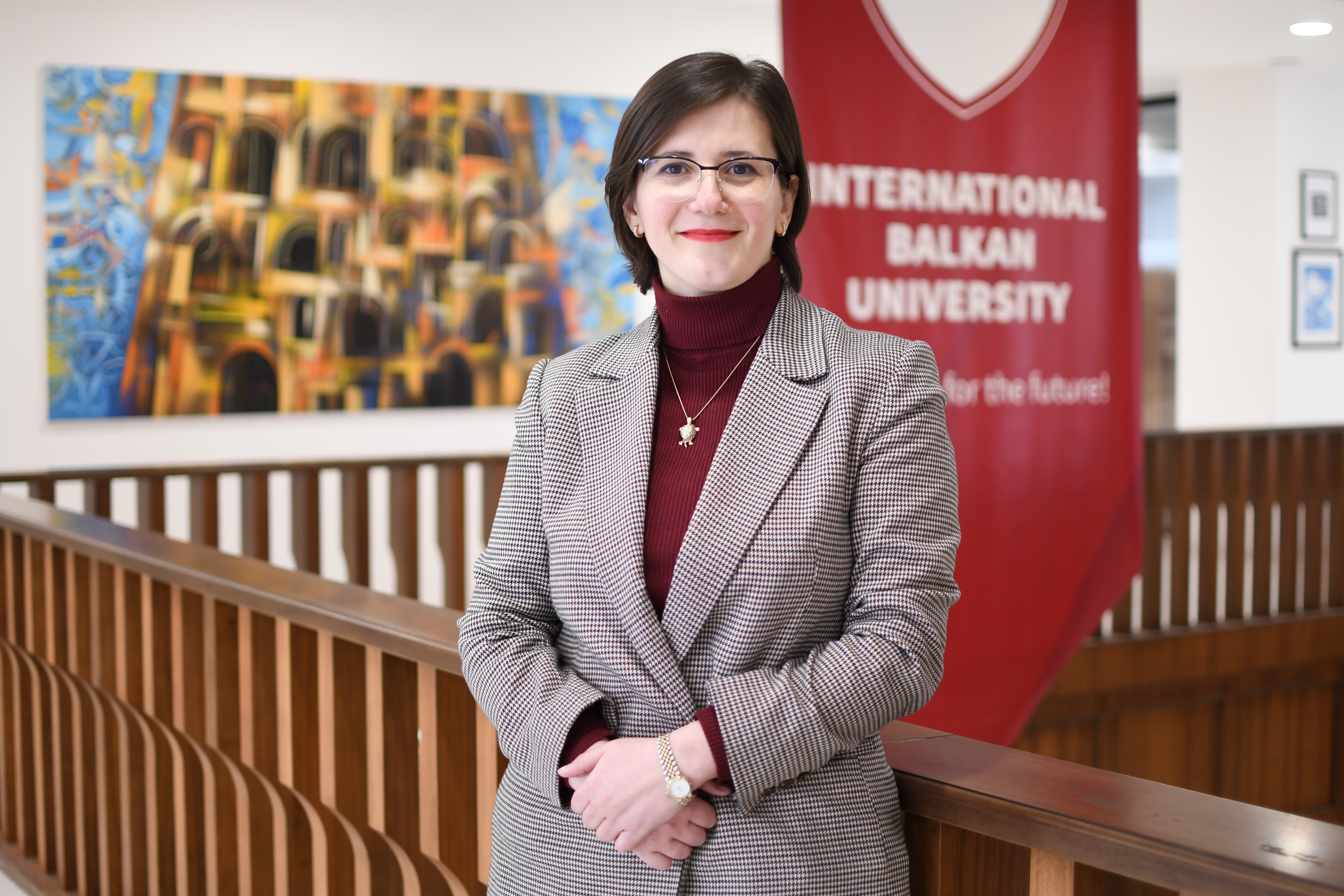
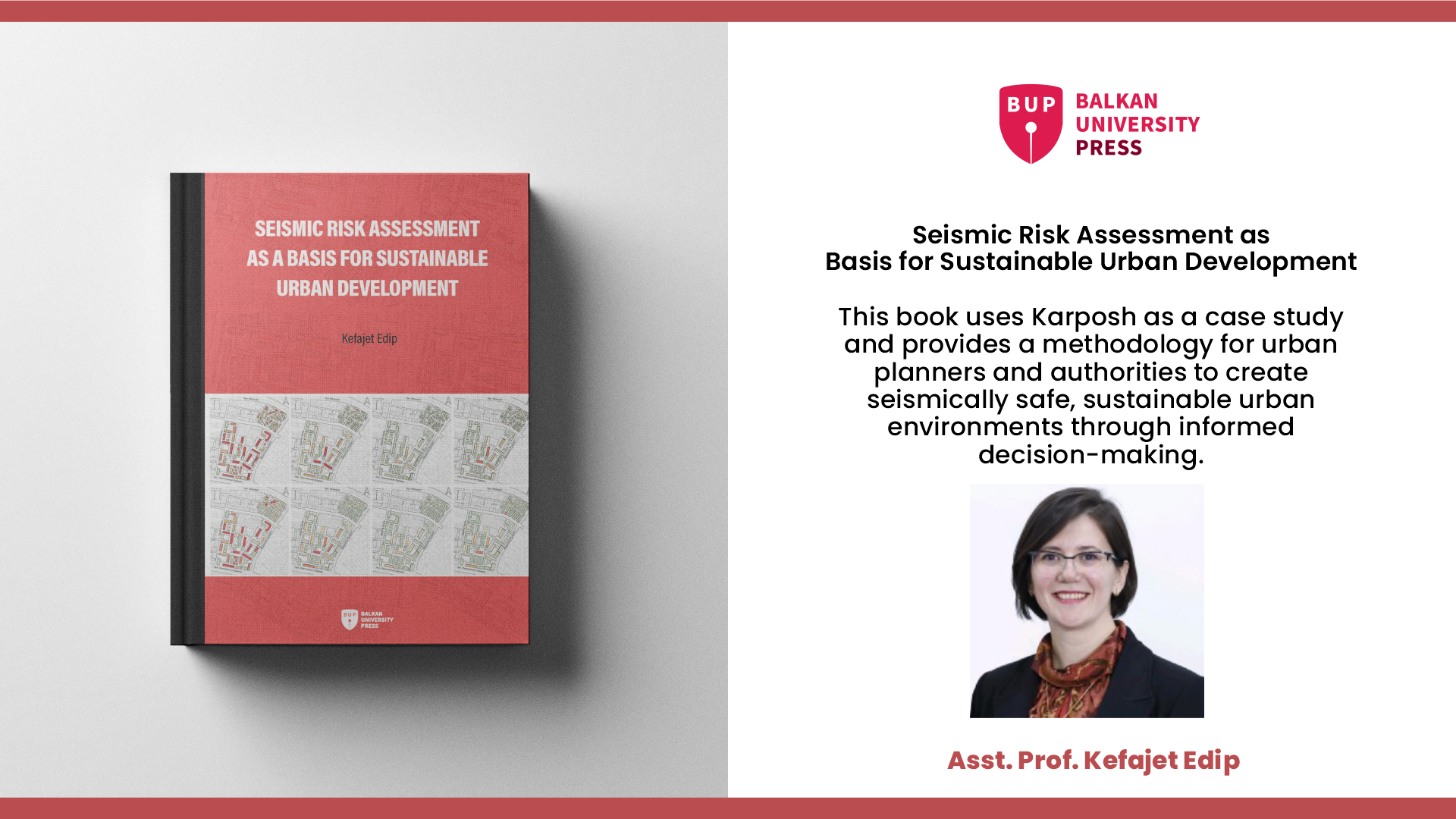
BUP Interview with Kefajet Edip
Date: 18.02.2025 -
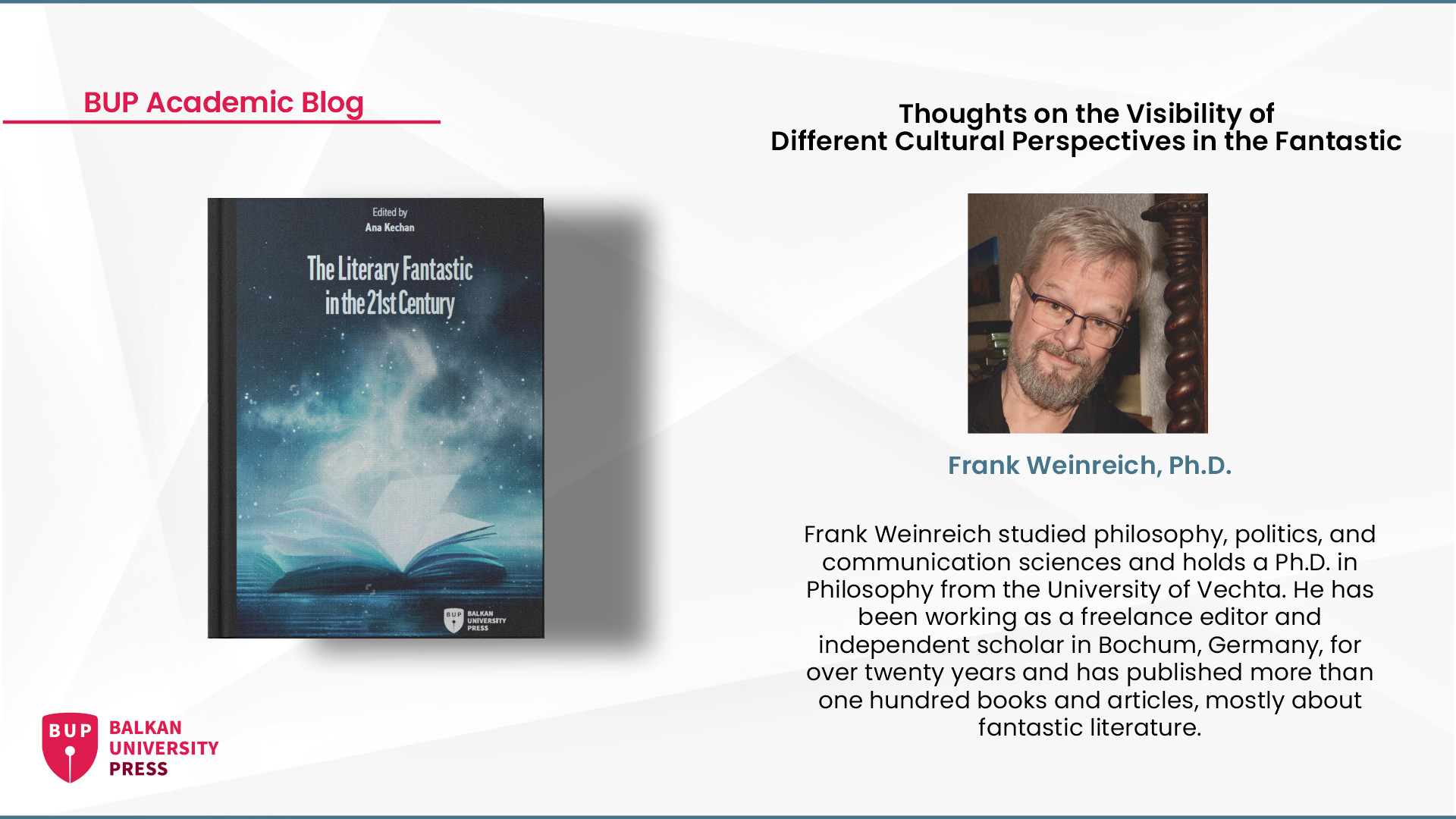
BUP Academic Blog by Frank Weinreich
Date: 20.02.2025 -
-

-

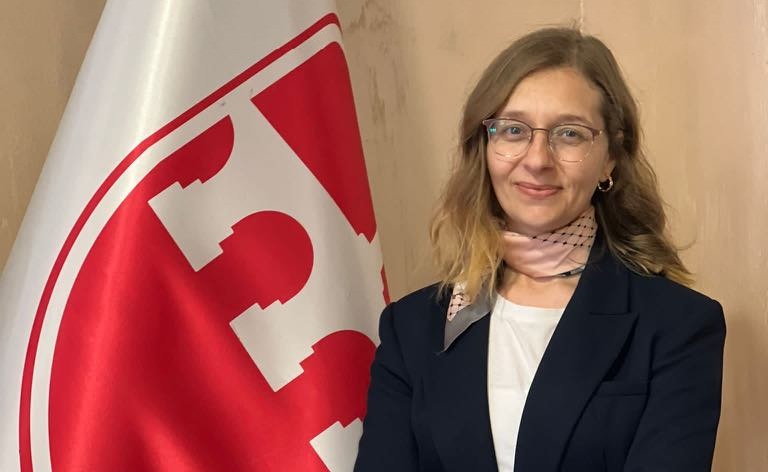
BUP Interview with Prof. Dr. Ana Kechan
Date: 30.04.2025 -
BUP Interview with Ozlem Kurt
Date: 14.05.2025 -

BUP Interview With Assoc. Prof. Igballe Miftari-Fetishi
Date: 03.09.2025 -
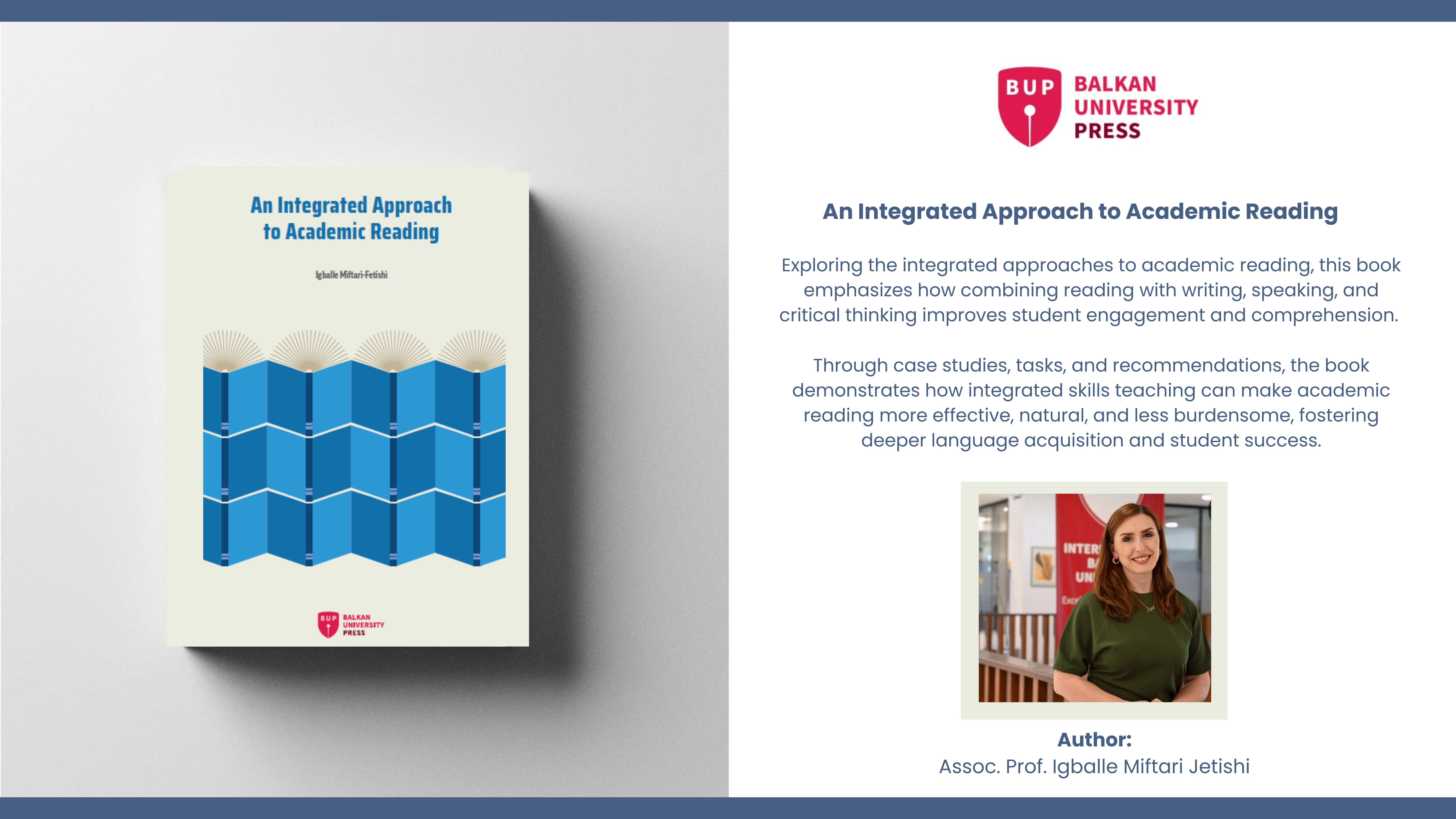
Publication of the book "An Integrated Approach to Academic Reading"
Date: 09.09.2025 -
BUP Interview with Nikola Dacev
Date: 15.09.2025 -
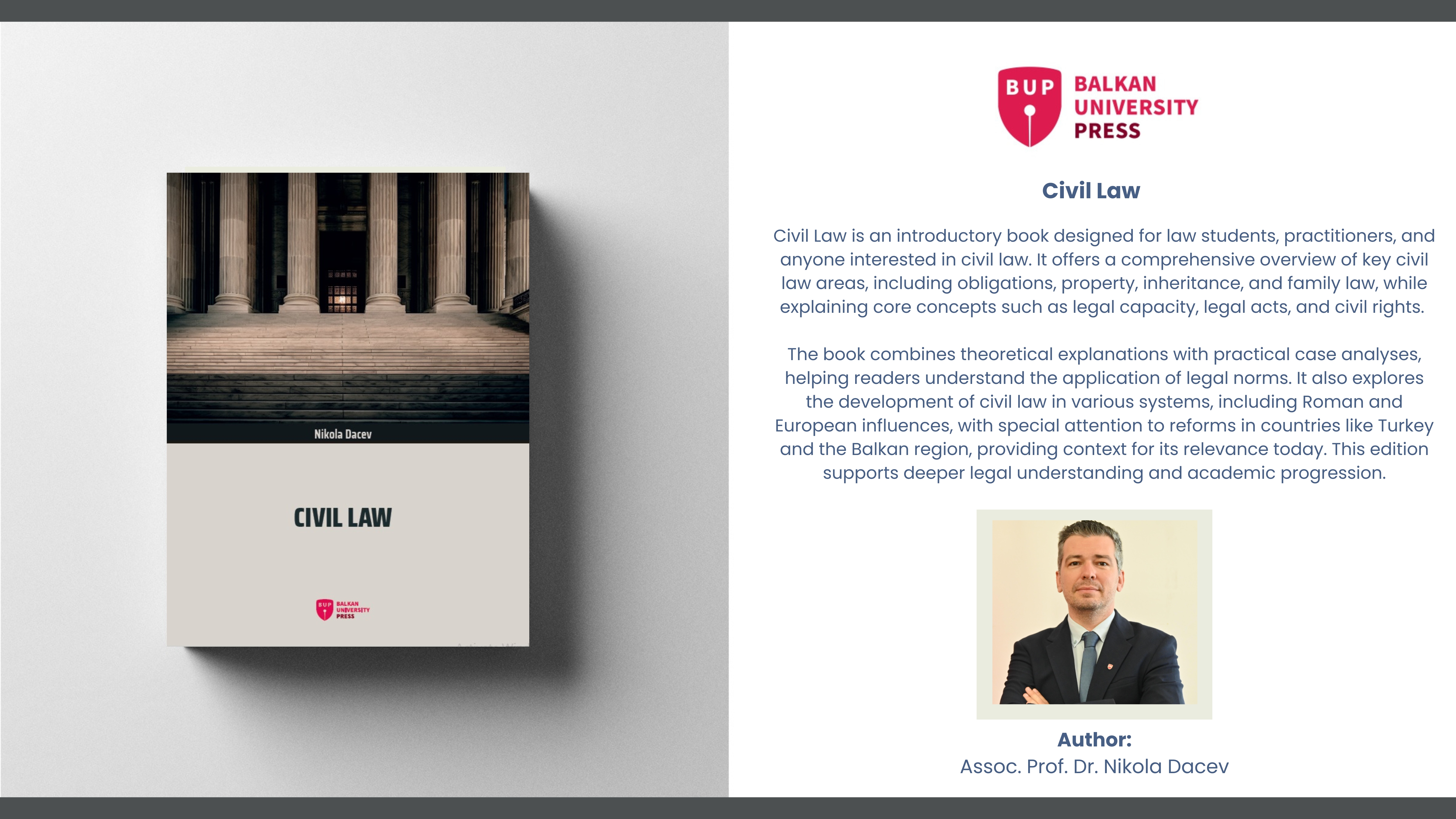
Publication of the book "Civil Law"
Date: 17.09.2025 -

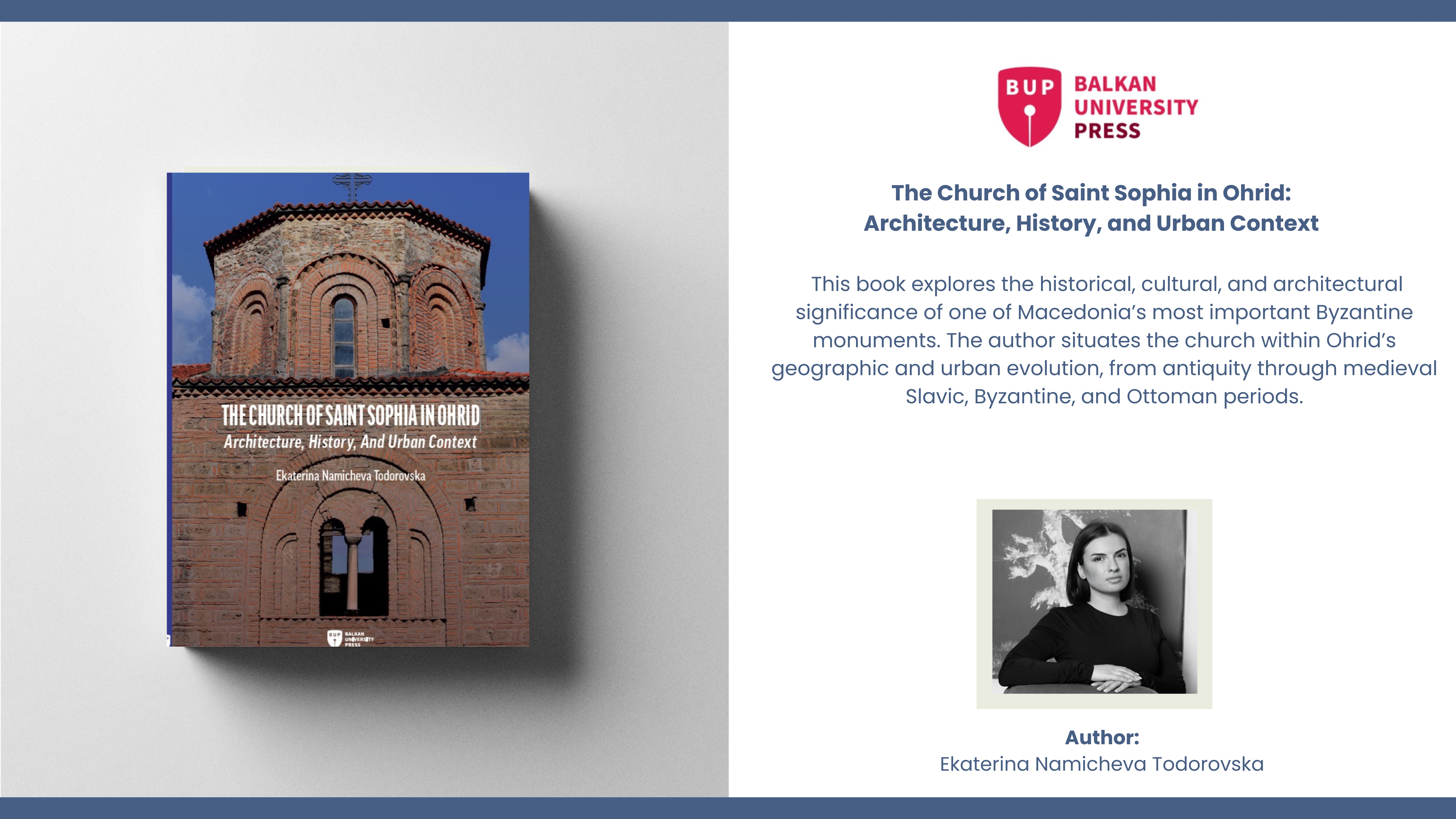
BUP Interview with Ekaterina Namicheva Todorovska
Date: 22.09.2025 -
.png)
-
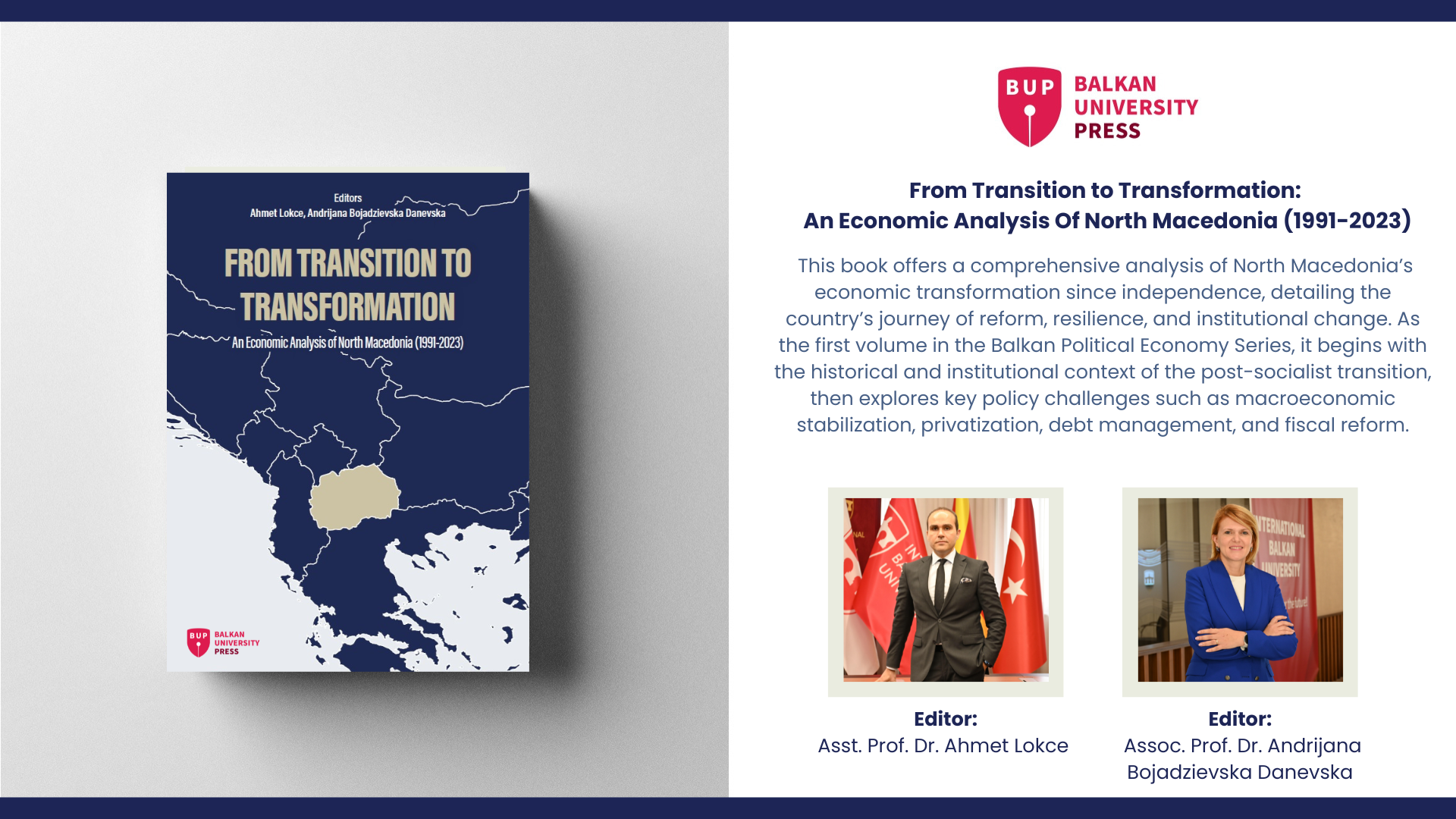
The first book of the Balkan Political Economy Series is published
Date: 07.10.2025 -
OPEN CALL for Book Chapters
Date: 08.10.2025 -
-
.png)
-

BUP Interview with Sumea Ramadani
Date: 24.10.2025 -
.png)
Publication of the book "Two Worlds of Healing" by Sumea Ramadani
Date: 05.11.2025 -
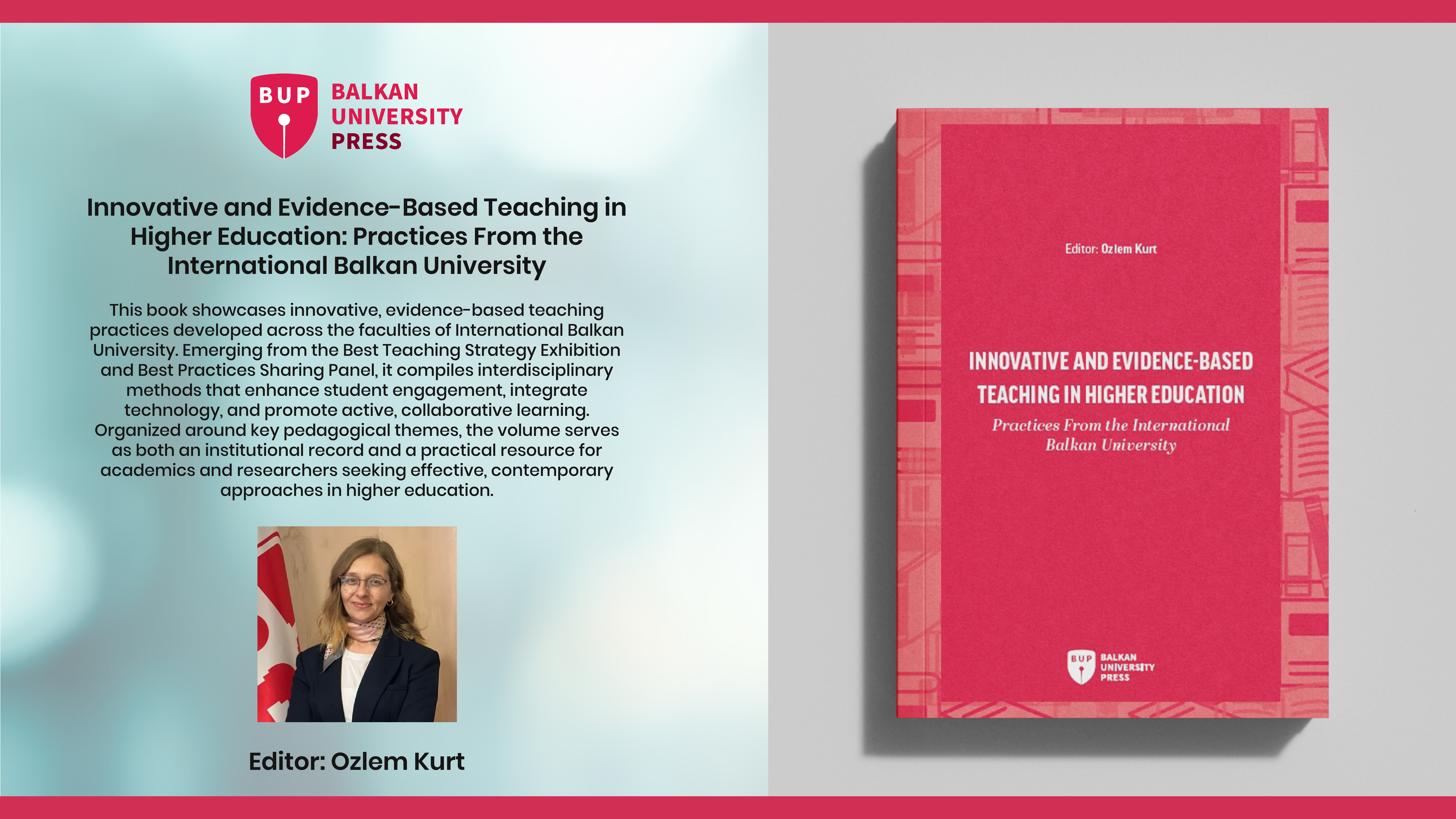
New BUP Publication
Date: 23.12.2025 -
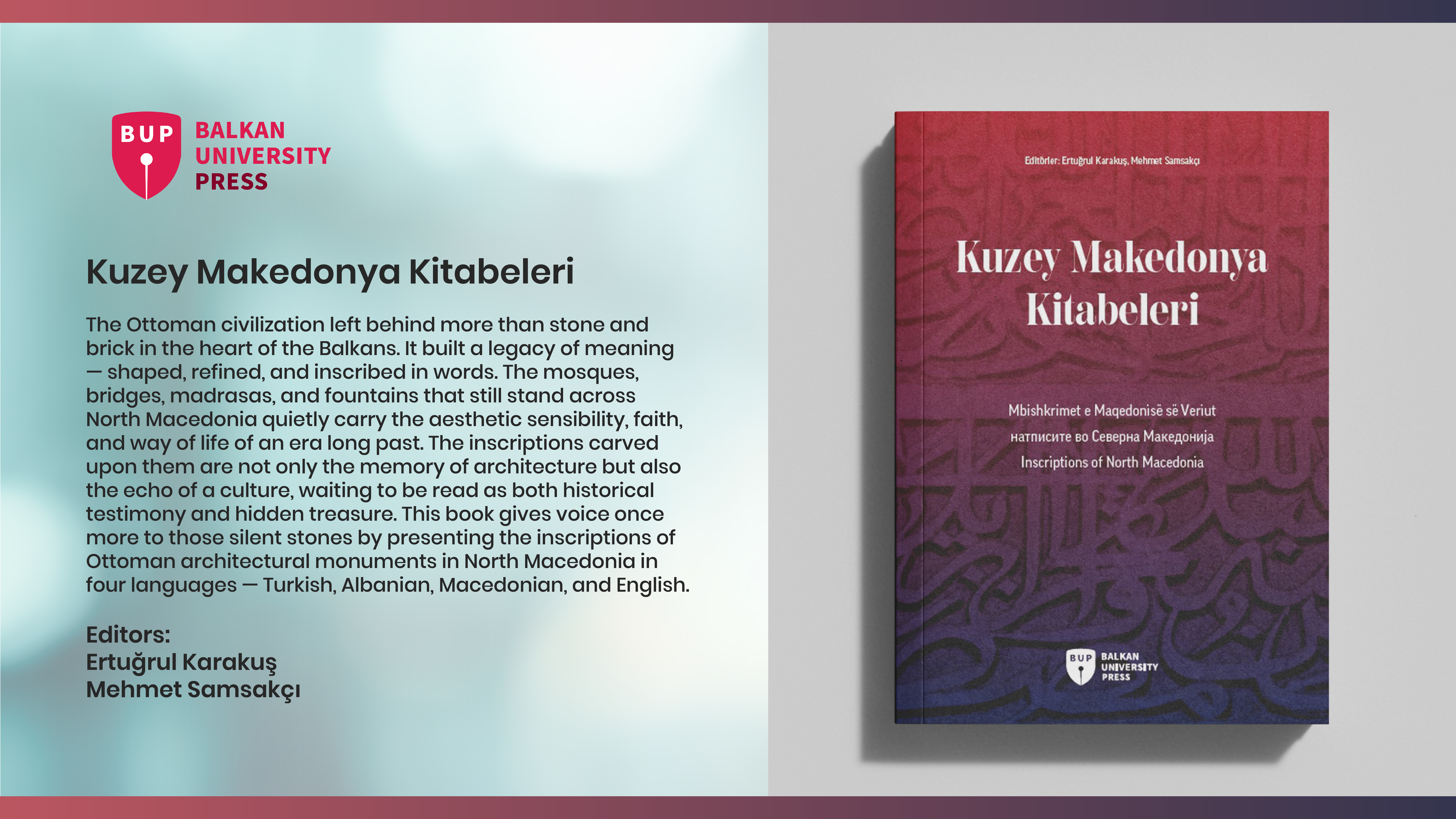
Publication of the book "Kuzey Makedonya Kitabeleri"
Date: 26.12.2025 -

-
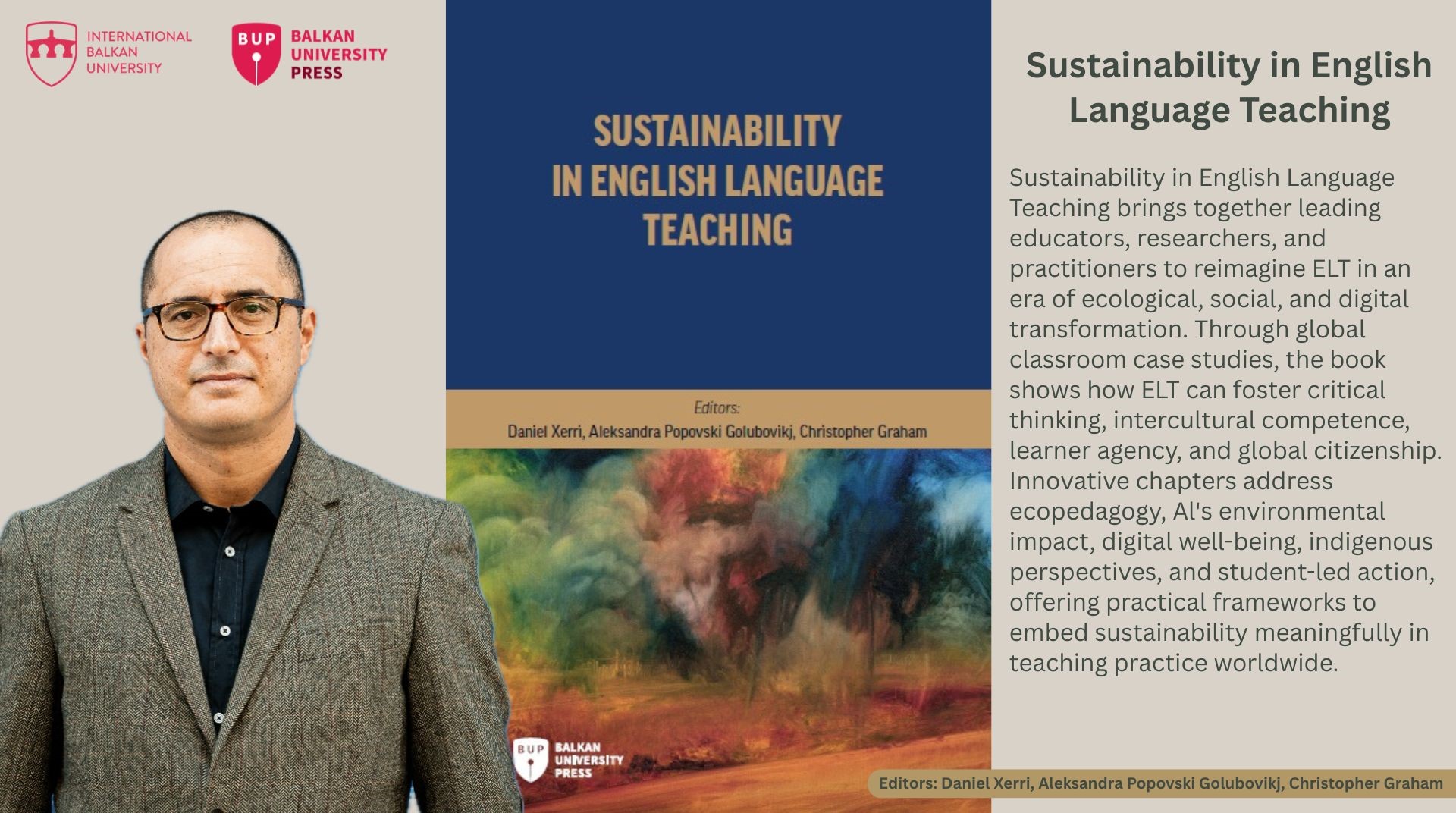
BUP Interview wIth Prof. Daniel Xerri
Date: 19.03.2026 -
.jpg)
BUP Interview with Marija Spaseska
Date: 27.03.2026 -
-
BUP Interview with Ana Kechan
Date: 31.03.2026 -
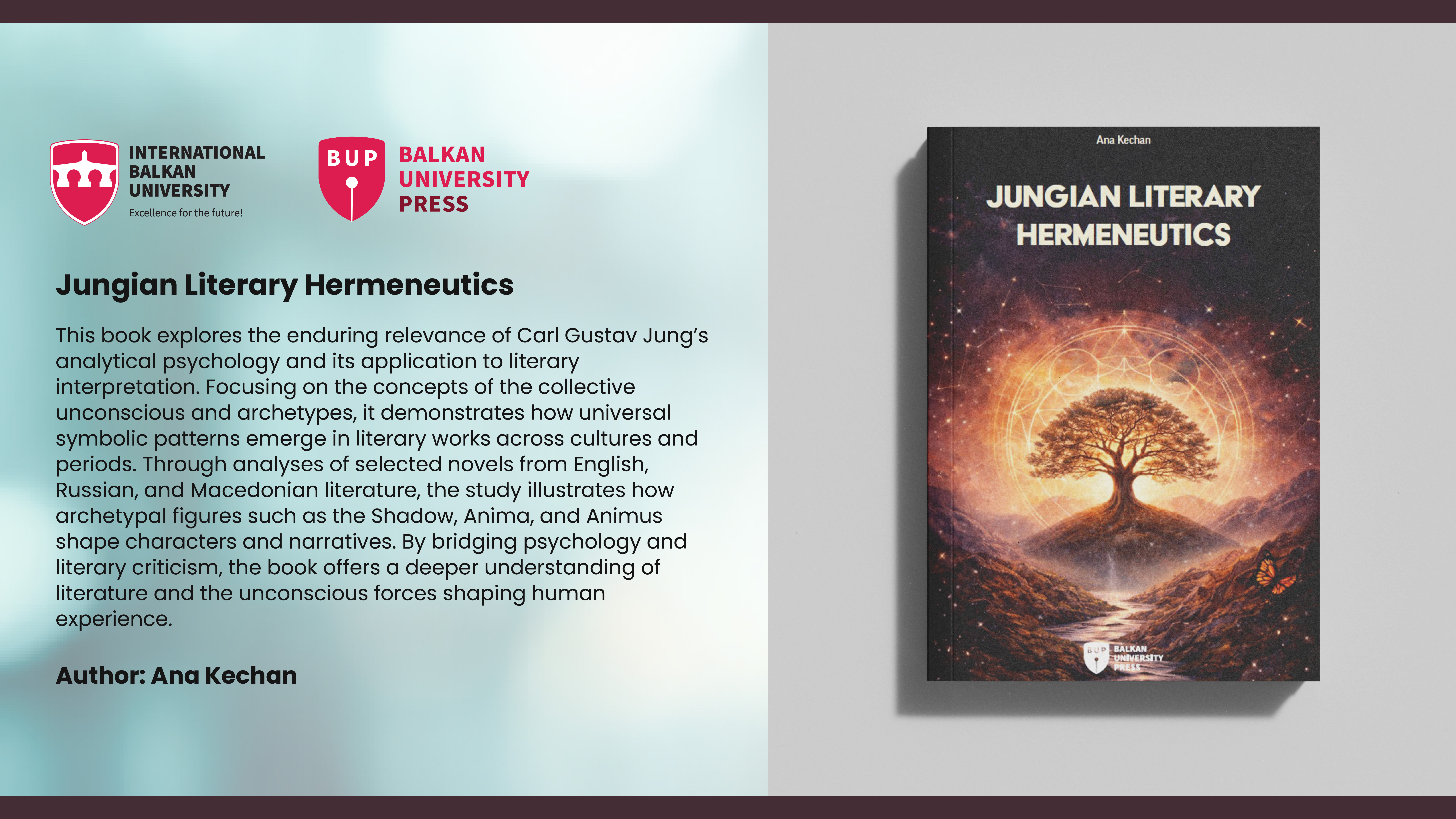
Publication of the book "Jungian Literary Hermeneutics"
Date: 06.04.2026 -
.jpg)
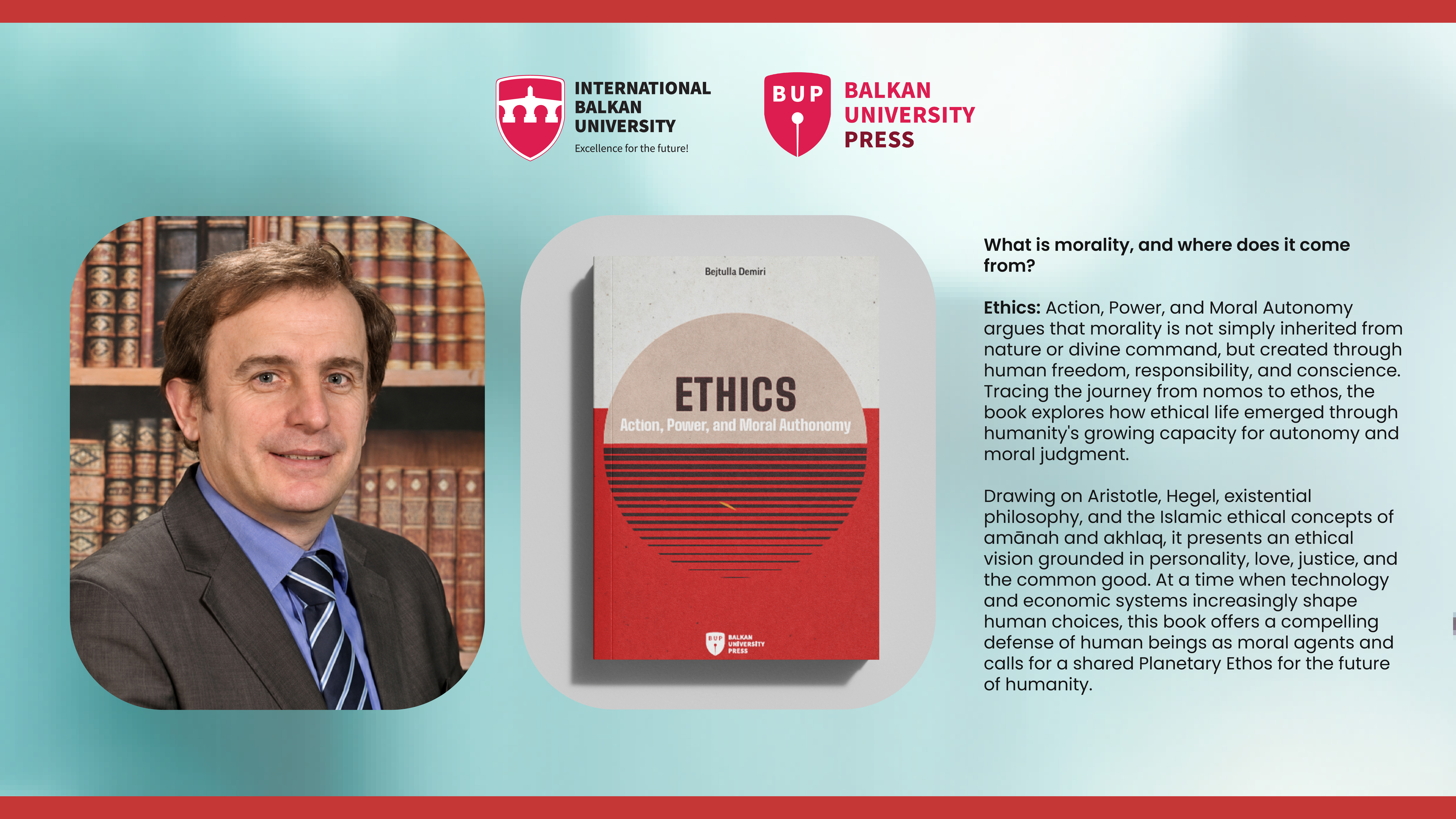
Publication of the book "Ethics: Action, Power, and Moral Autonomy"
Date: 23.07.2026 -
.jpg)
-
-
-